-
Home
-
Products & Services
-
Dissolvable Plugs
 Fast Drill Plugs
Integrated Completion Systems
Fast Drill Plugs
Integrated Completion Systems
-
Intelligent Rotating Control Device
Intelligent Well Control
-
Intelligent Fluids Monitoring
Real-Time Wellbore Monitoring & Strengthening
Unconventional Completion & Dissolvable Technology
Featured HighlightsIntelligent Pressure Control Technology
Featured HighlightsIntelligent Fluids Monitoring Technology
Featured Highlights -
-
Vertechs Share
-
News
-
QHSE
-
About Us
-
Contact Us



Advancing Well Control: The Role of Fluid Monitoring Systems in Enhancing Drilling Safety & Efficiency
2026-04-17
In the complex and high-stakes world of energy extraction, well control stands as one of the most critical pillars of operational integrity. Every time an oil drilling rig penetrates subsurface formations, engineers and crews face the constant challenge of maintaining pressure equilibrium between the wellbore and surrounding geological structures. This delicate balance is where advanced fluid monitoring systems have transformed the landscape of modern drilling operations. Rather than relying solely on manual observations or reactive measures, today's oil field services leverage intelligent technologies to anticipate, detect, and mitigate risks before they escalate into costly incidents. The integration of real-time data analytics with traditional oil drilling equipment has redefined what it means to achieve true well control, turning theoretical safety protocols into actionable, dynamic responses.
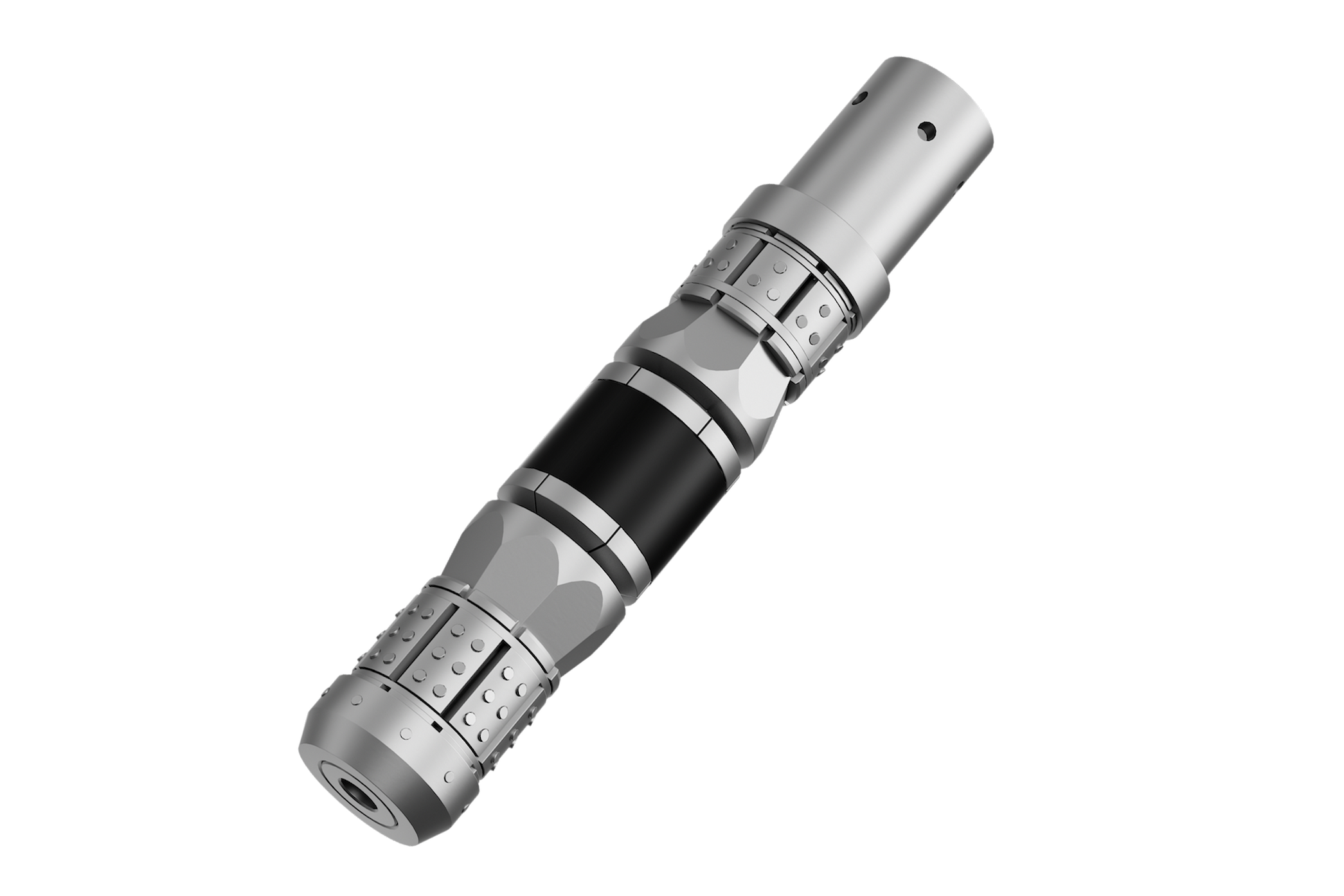
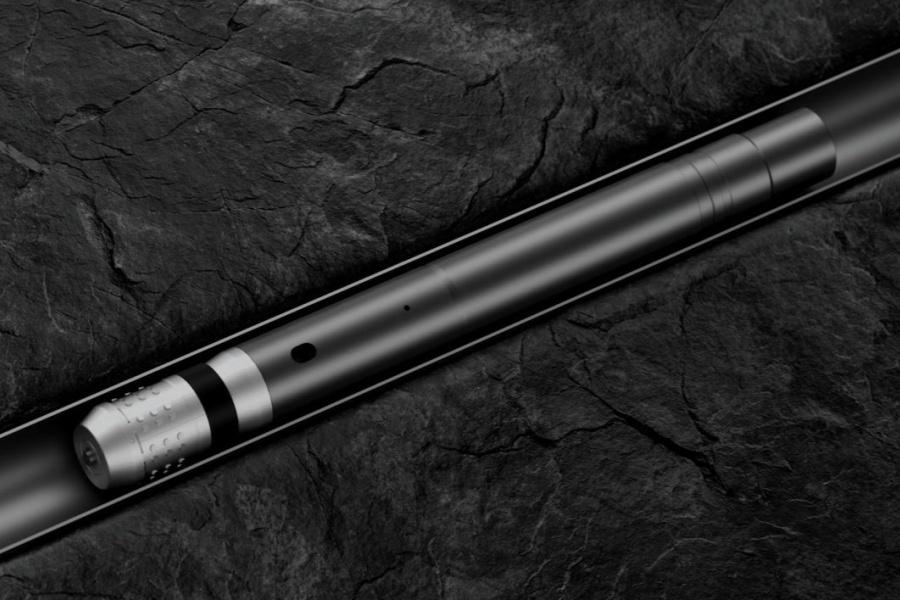
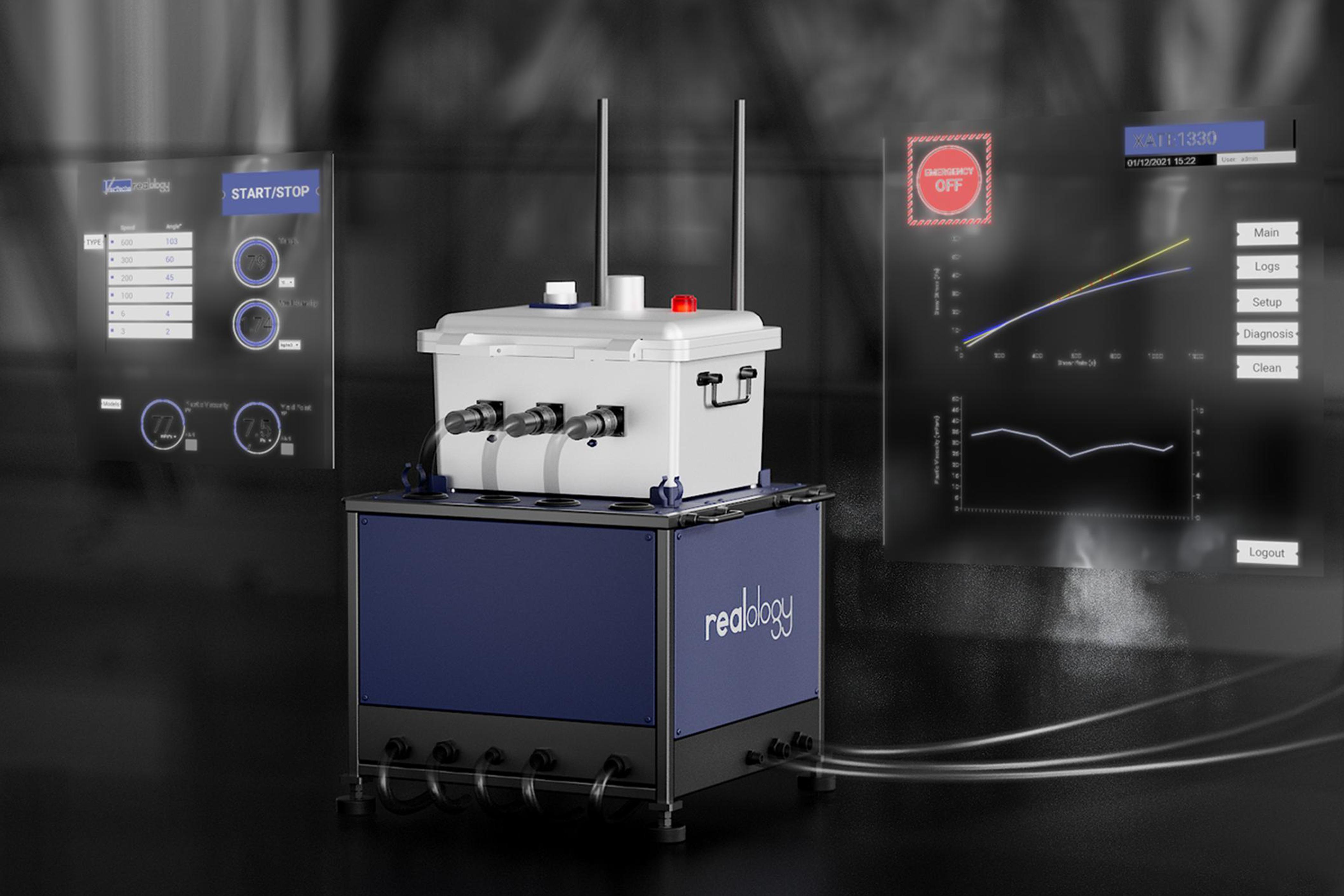
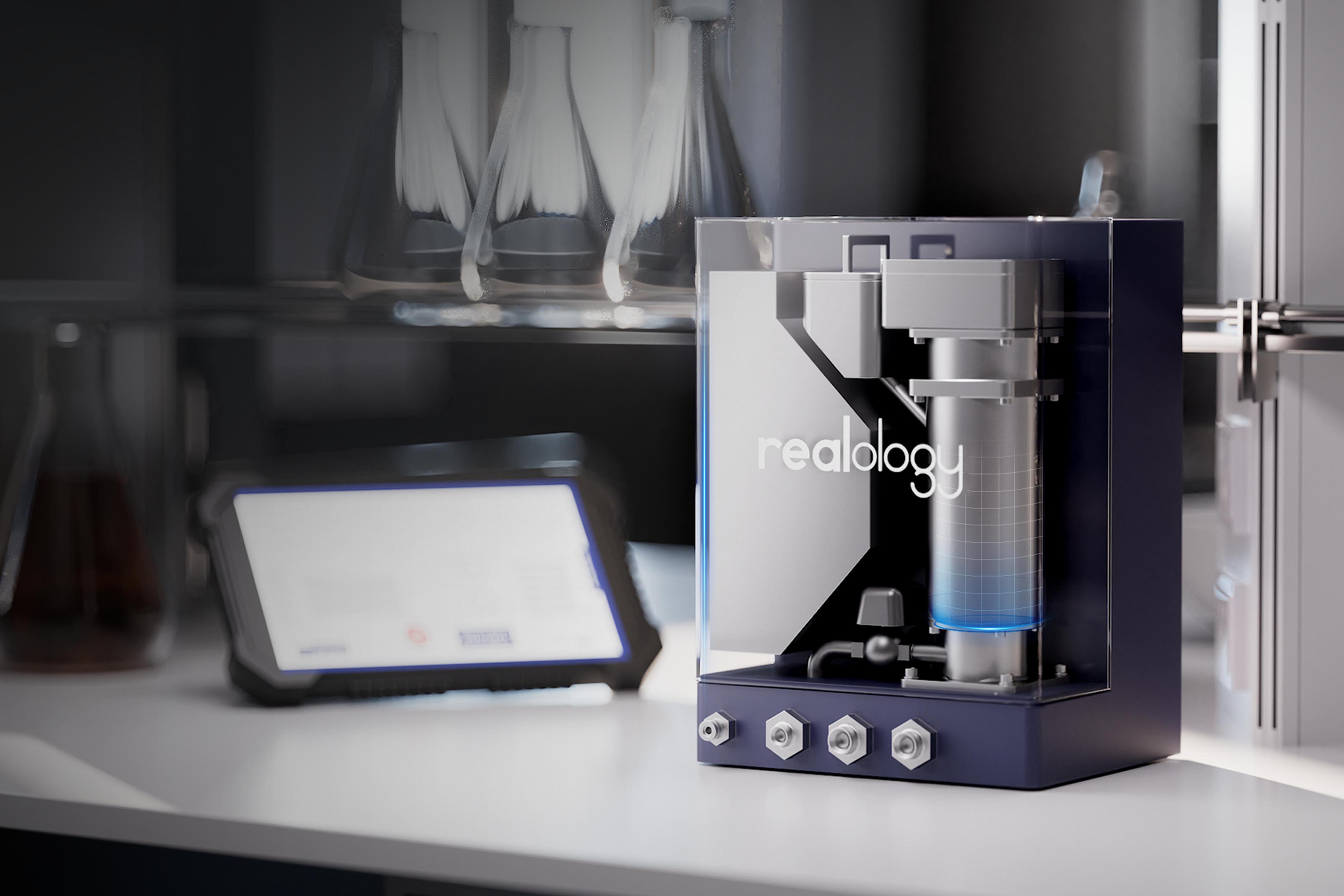
Understanding the oil drilling definition provides essential context for appreciating why fluid dynamics matter so profoundly. At its core, drilling involves circulating specialized fluids—commonly called mud—through the wellbore to cool the drill bit, carry cuttings to the surface, and most importantly, maintain hydrostatic pressure against formation fluids. When this pressure balance is disrupted, whether through unexpected gas influx or fluid loss, the consequences can range from minor operational delays to catastrophic blowouts. This is precisely where intelligent fluid monitoring becomes indispensable. Systems like Vertechs' REALology Intelligent Drilling Fluids Monitoring System continuously track parameters such as density, viscosity, temperature, and rheological properties at both inlet and outlet points of the circulation loop. By automating what was once a labor-intensive and intermittent process, these technologies enable crews to maintain situational awareness around the clock, significantly strengthening well control capabilities.
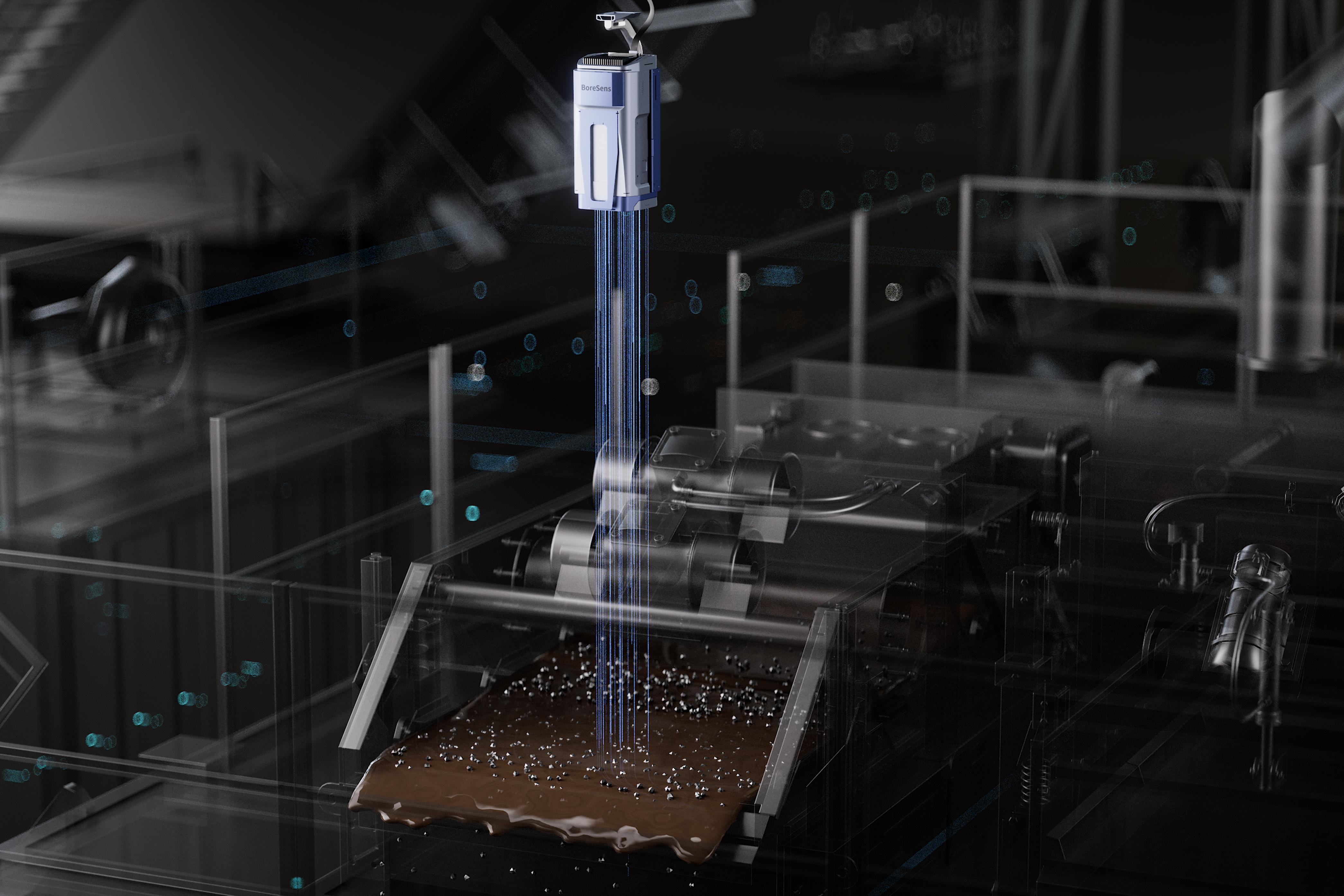
The evolution of oil drilling machinery reflects a broader industry shift toward digitalization and predictive intelligence. Modern oil drilling rigs are no longer just mechanical assemblies; they are interconnected ecosystems where sensors, software, and human expertise converge. An oil drilling machine equipped with smart monitoring capabilities can detect subtle anomalies in fluid behavior that might indicate an emerging kick or loss zone. For instance, a slight deviation in return flow rate or mud weight, invisible to the naked eye, can trigger automated alerts that prompt immediate corrective action. This proactive approach to well control reduces reliance on reactive measures and minimizes non-productive time—a metric that directly impacts project economics. Moreover, when oil drilling software integrates these fluid parameters with geological models and operational data, the result is a holistic view of downhole conditions that empowers faster, more informed decision-making.
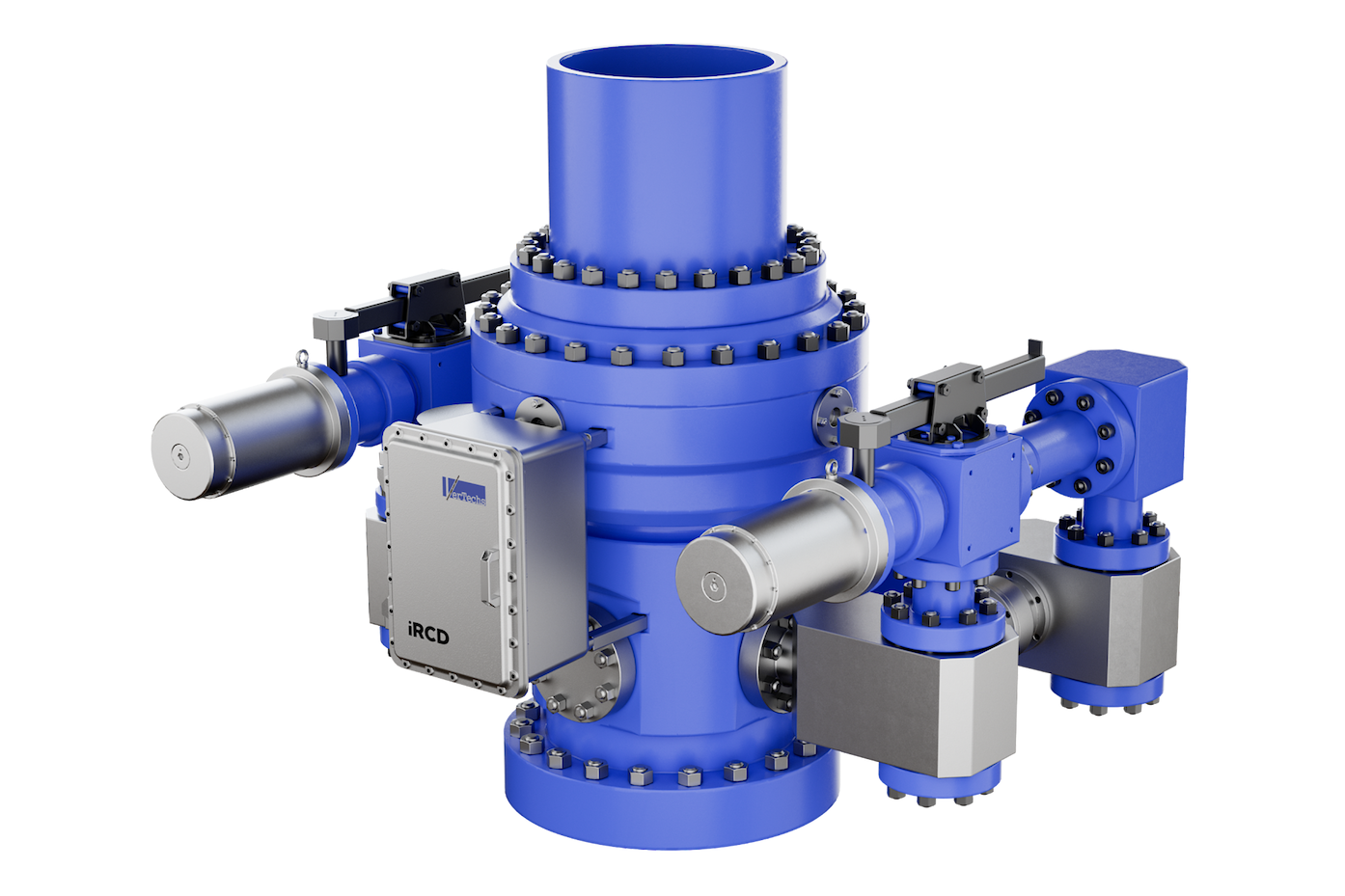
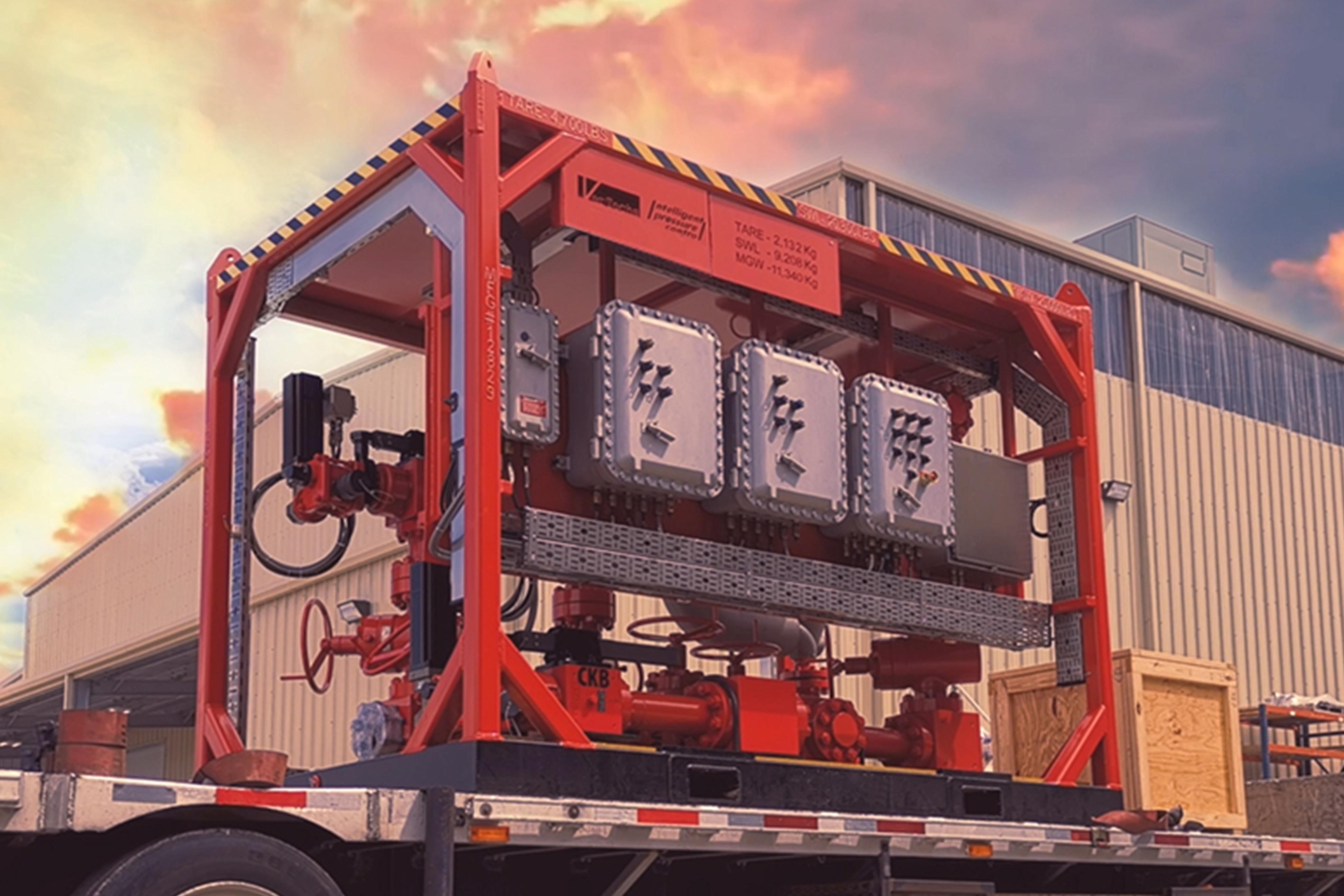
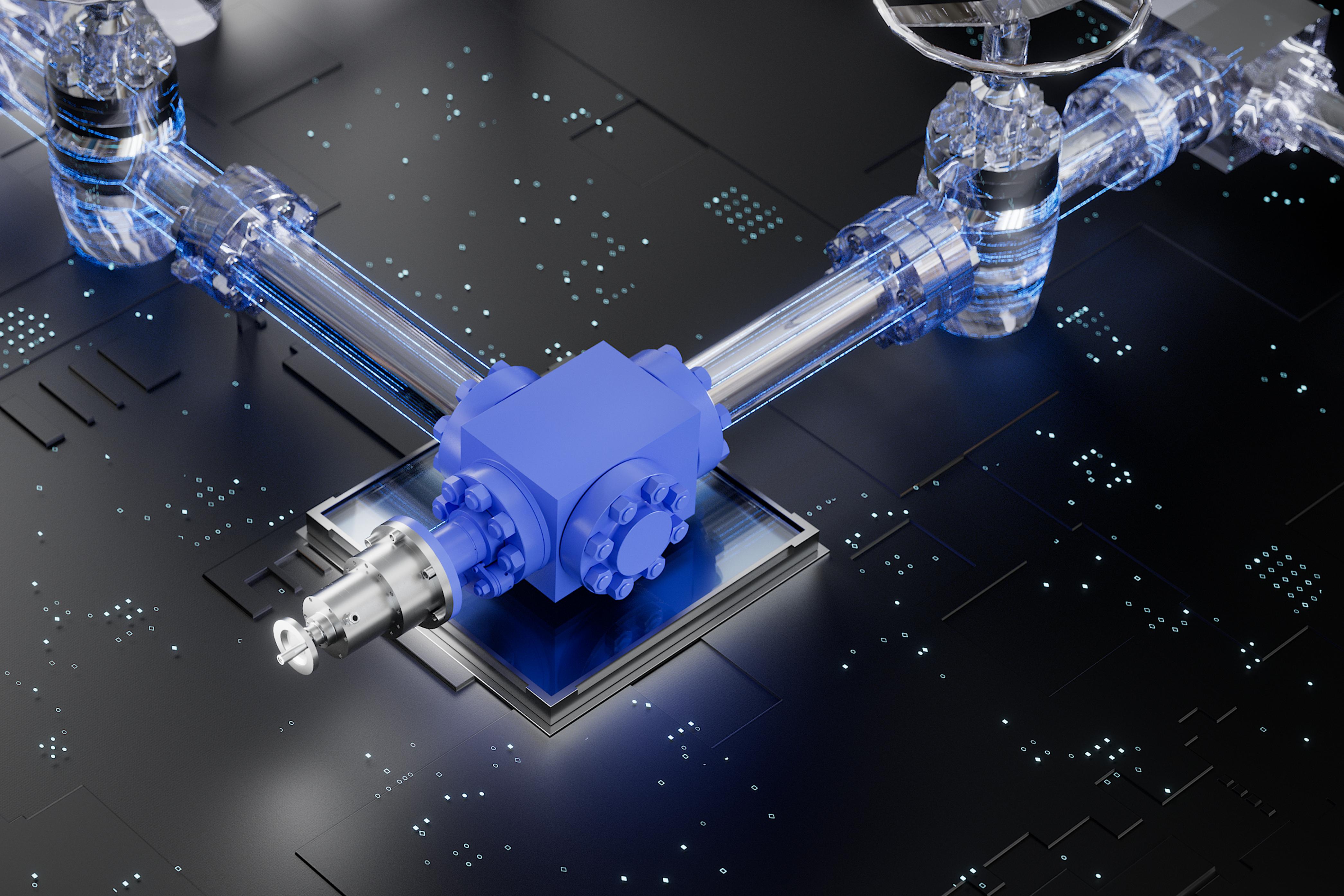
One of the most compelling advantages of advanced fluid monitoring lies in its ability to bridge the gap between theoretical well control procedures and real-world execution. Traditional training scenarios often simulate idealized conditions, but actual drilling environments present unpredictable variables: changing formation pressures, equipment wear, or unexpected fluid interactions. Intelligent monitoring systems address this complexity by providing continuous, high-fidelity data that reflects the true state of the well. When integrated with pressure control technologies such as managed pressure drilling (MPD) manifolds, these systems enable precise adjustments to choke settings or mud properties, maintaining wellbore stability even in challenging scenarios. This synergy between monitoring and control represents a significant leap forward for oil field services seeking to enhance both safety and efficiency across diverse operational contexts.
The practical implications extend beyond immediate risk mitigation. Consider the economic dimension: every hour of unplanned downtime on an oil drilling rig carries substantial financial consequences, from idle crew costs to delayed production timelines. By enabling early detection of fluid-related issues, intelligent monitoring helps operators address problems while they are still manageable, avoiding the escalation that leads to expensive interventions or well abandonment. Furthermore, the comprehensive data logging capabilities of these systems create valuable historical records that support post-operation analysis, regulatory compliance, and continuous improvement initiatives. Over time, this accumulation of insights contributes to more robust well control strategies and optimized drilling programs across entire fleets of oil drilling equipment.
It is also worth noting how these technologies align with broader industry trends toward sustainability and operational excellence. Efficient fluid management reduces waste, minimizes environmental footprint, and supports responsible resource development—objectives that resonate with stakeholders across the energy value chain. When oil drilling software platforms incorporate machine learning algorithms, they can identify patterns and correlations that human analysts might overlook, further refining predictive capabilities. This continuous learning loop ensures that well control practices evolve alongside technological advancements, creating a virtuous cycle of improvement that benefits operators, regulators, and communities alike.
Of course, technology alone does not guarantee success. The human element remains central to effective well control. Operators must interpret data, weigh competing priorities, and execute decisions under pressure. This is why leading providers emphasize intuitive interfaces, customizable alert thresholds, and seamless integration with existing workflows. Training platforms that simulate real-time monitoring scenarios help crews develop the muscle memory and judgment needed to respond effectively during actual operations. When oil drilling machinery and intelligent software work in harmony with skilled personnel, the result is a resilient operational framework capable of adapting to dynamic subsurface conditions.
Looking ahead, the trajectory of well control innovation points toward even greater integration of artificial intelligence, edge computing, and remote collaboration tools. As oil field services expand into deeper, hotter, and more geologically complex environments, the demand for reliable, autonomous monitoring will only intensify. Systems that can operate with minimal manual intervention while delivering laboratory-grade accuracy will become standard equipment on forward-thinking oil drilling rigs. This progression does not diminish the role of human expertise; rather, it amplifies it by freeing professionals from routine monitoring tasks to focus on strategic analysis and complex problem-solving.
Vertechs is committed to delivering innovative energy solutions that drive efficiency and sustainability. Our cutting-edge technologies and services are designed to meet the evolving needs of the energy industry. To learn more about how we can support your projects, please contact us, email us at engineering@vertechs.com, or connect with us on LinkedIn.
Read Our One More Blog(1): Precision, Safety, and Reliability: Advanced Well Control Solutions by VerTechs
Read Our One More Blog(2): Plug and Perf vs Advanced Completion Techniques: What’s Next in 2026?