-
Home
-
Products & Services
-
Dissolvable Plugs
 Fast Drill Plugs
Integrated Completion Systems
Dissolvable Cement Retainer
Fast Drill Plugs
Integrated Completion Systems
Dissolvable Cement Retainer
-
Intelligent MPD Manifolds
Intelligent Rotating Control Device
Intelligent All-Electric WBP MPD System
Intelligent Valve Retrofit
-
Intelligent Fluids Monitoring
Real-Time Wellbore Monitoring & Strengthening
Intelligent Drilling Fluids Management
Unconventional Completion & Dissolvable Technology
Featured HighlightsIntelligent Pressure Control Technology
Featured HighlightsIntelligent Fluids Monitoring Technology
Featured Highlights -
-
Vertechs Share
-
News
-
QHSE
-
About Us
-
Contact Us
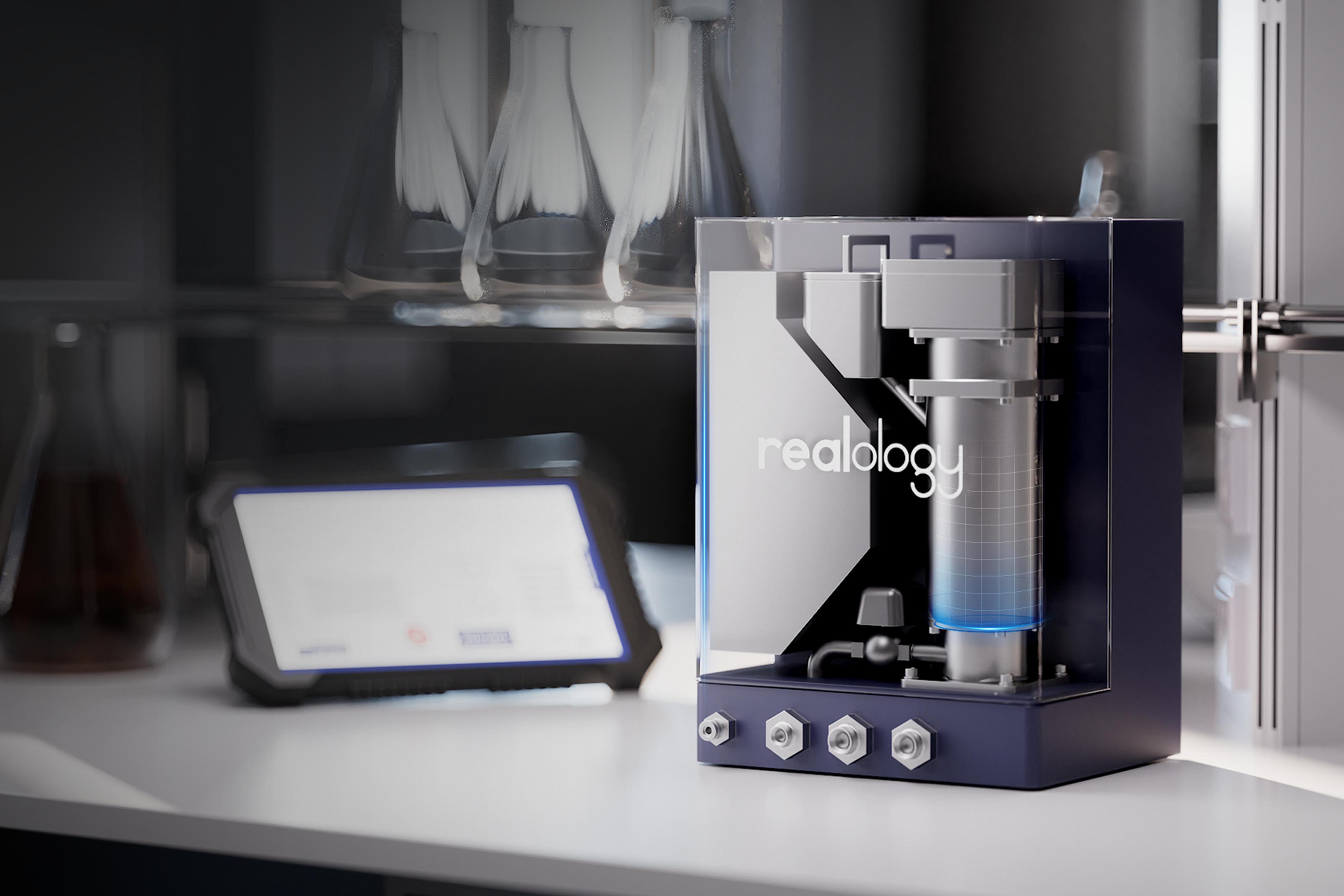
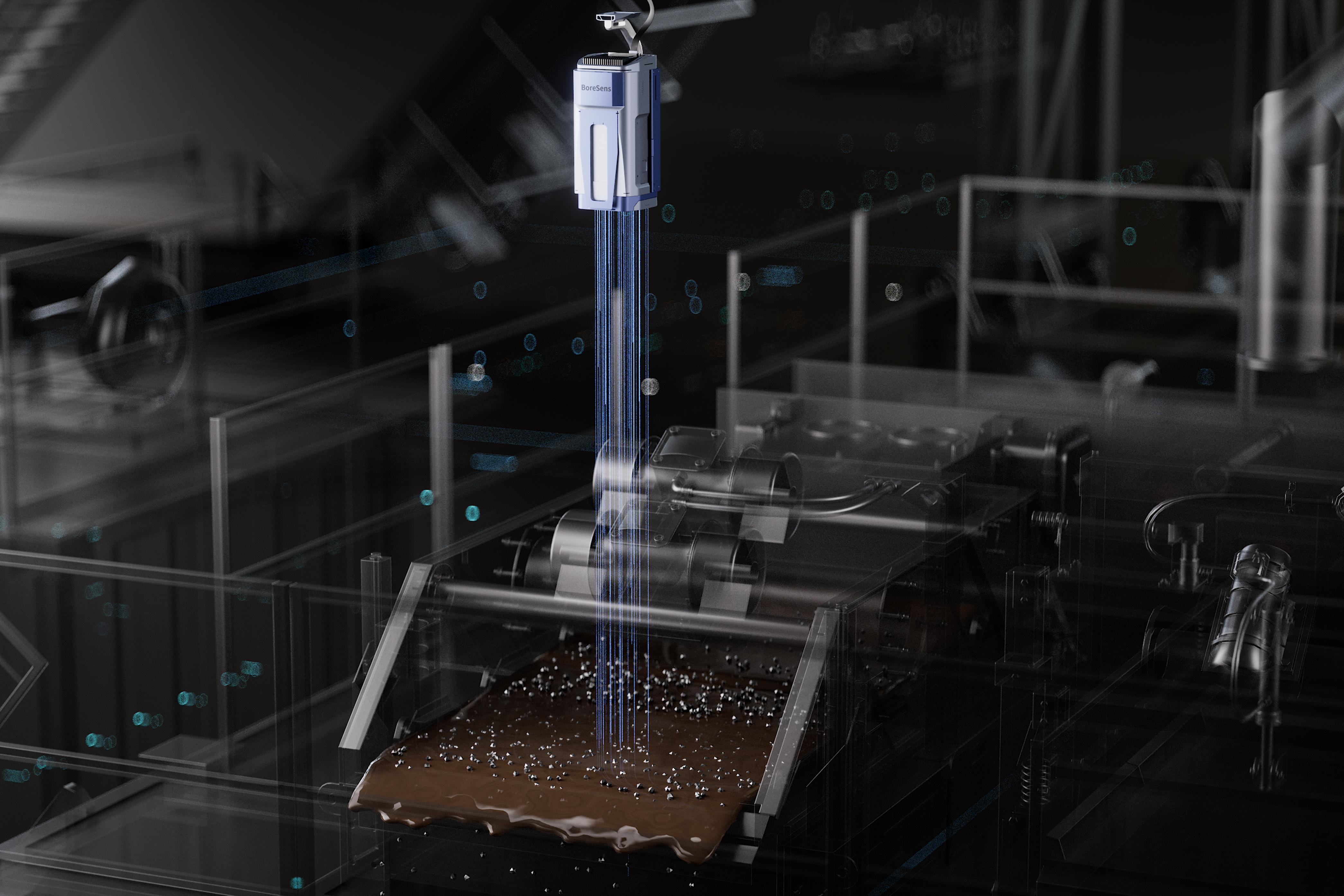





Mastering the Depths: How Fluid Rheology and Advanced Well Tools Are Revolutionizing Wellbore Integrity for the Modern Energy Sector
2025-12-22
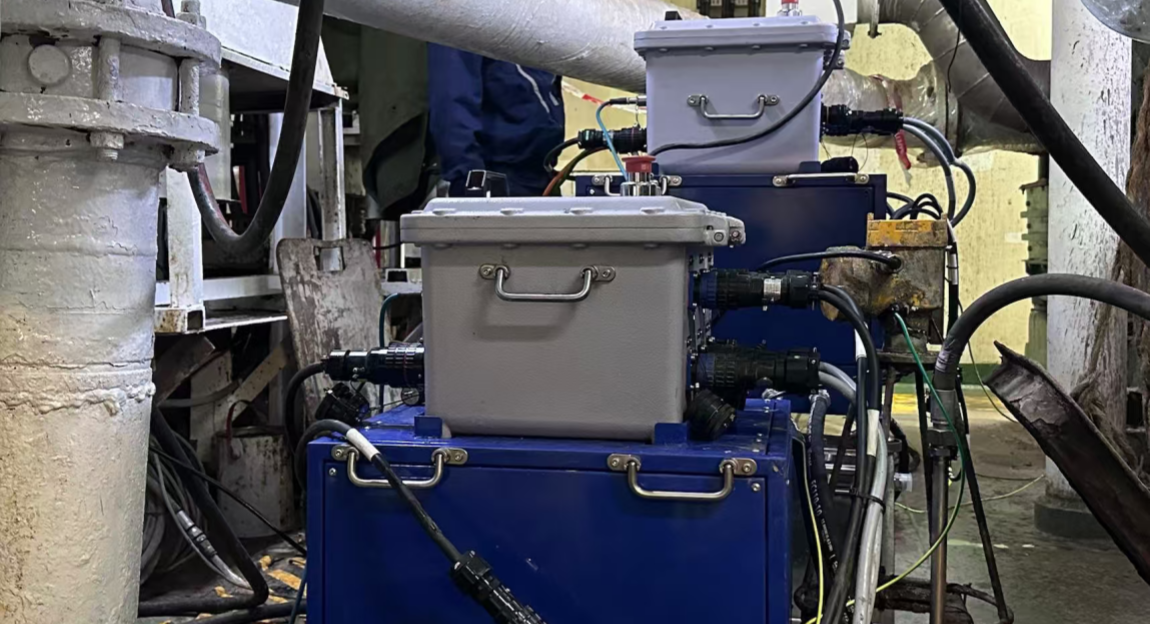
In the ever-evolving landscape of global energy production, the true battleground isn't always on the surface; it's deep underground, within the intricate and often treacherous confines of the wellbore. For companies like Vertechs, a leader in international energy technology with strategic hubs across Asia-Pacific and the Middle East, the mission is clear: to deliver not just products, but transformative solutions that ensure the longevity, safety, and efficiency of every well. At the heart of this mission lies a profound understanding of two critical, intertwined concepts: fluid rheology and wellbore integrity. It’s no longer enough to simply drill a hole; the challenge is to create a stable, resilient conduit that can withstand immense pressures and complex geological conditions over decades. This is where the science of fluid rheology meets the engineering prowess of advanced well tools, forming the bedrock of modern wellbore integrity solutions.
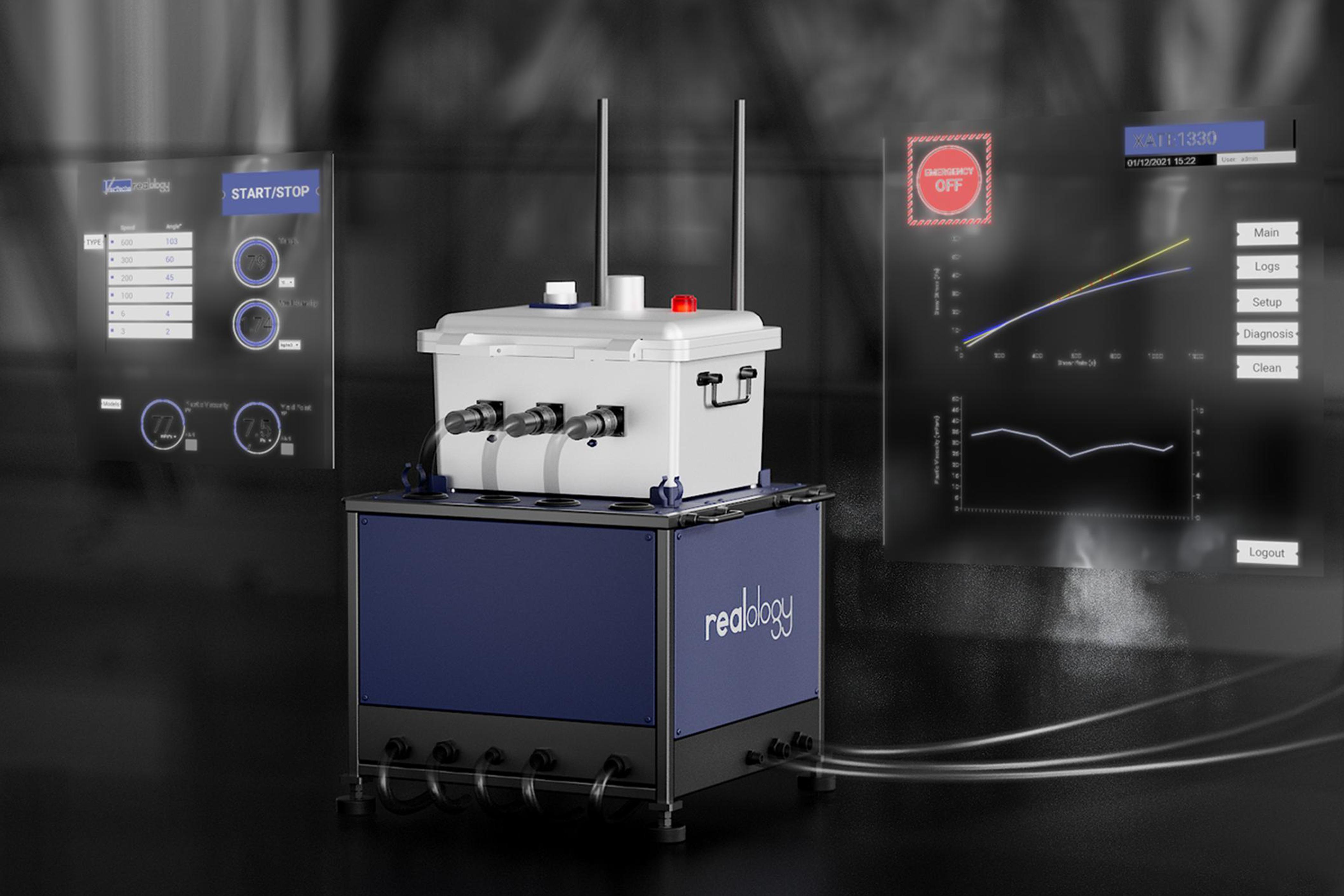
Let’s start with the unsung hero of subsurface operations: fluid rheology. This term, which describes the flow and deformation properties of fluids under stress, might sound abstract, but its implications are concrete and vital. In a drilling or completion operation, the fluids circulating downhole—be they drilling muds, cement slurries, or stimulation fluids—are far from passive. Their viscosity, gel strength, and shear-thinning behavior directly dictate how effectively they can carry cuttings to the surface, suspend solids during static periods, and provide hydrostatic pressure to prevent formation fluids from entering the well. A poorly designed fluid system, lacking the right rheological profile, can lead to catastrophic failures. Imagine a scenario where a mud’s viscosity drops too much under high shear rates near the bit, failing to lift cuttings efficiently. The result? A stuck pipe, lost time, and potentially compromised wellbore stability. Conversely, a fluid with excessive gel strength can make it difficult to restart circulation after a pause, leading to pressure surges that fracture the formation. Understanding and precisely controlling fluid rheology is therefore not an academic exercise; it’s a fundamental requirement for maintaining wellbore stability and ensuring the success of any operation.
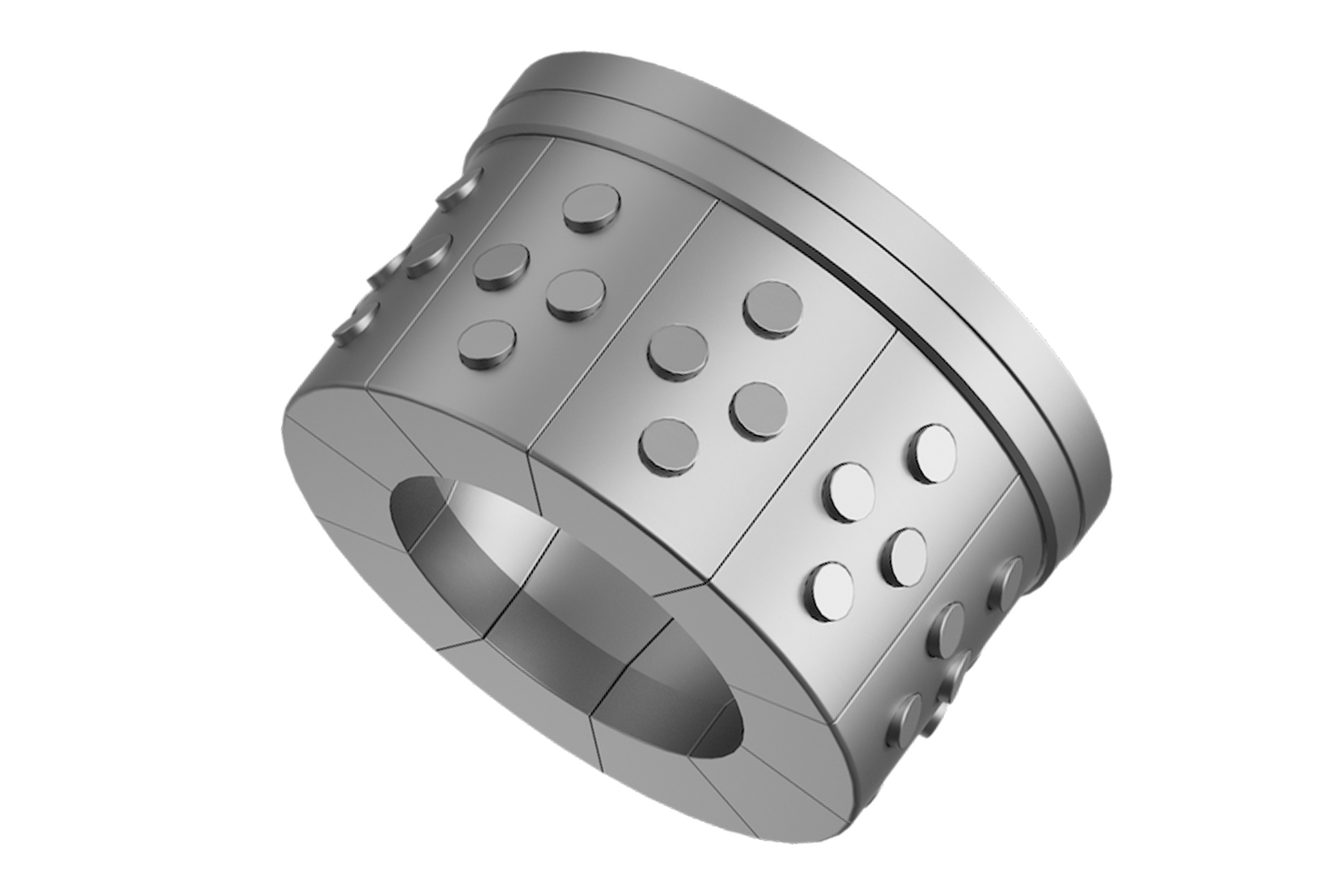
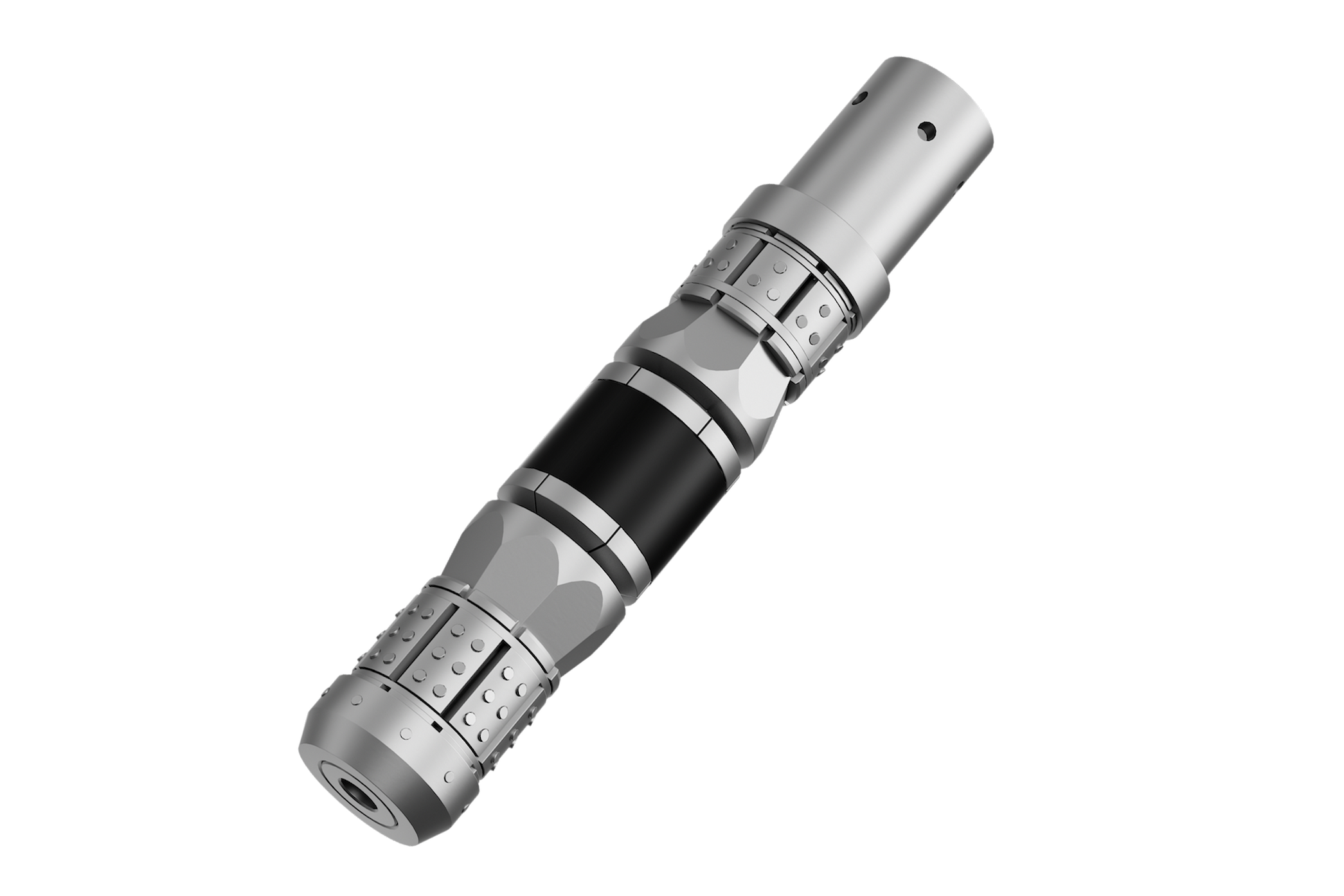
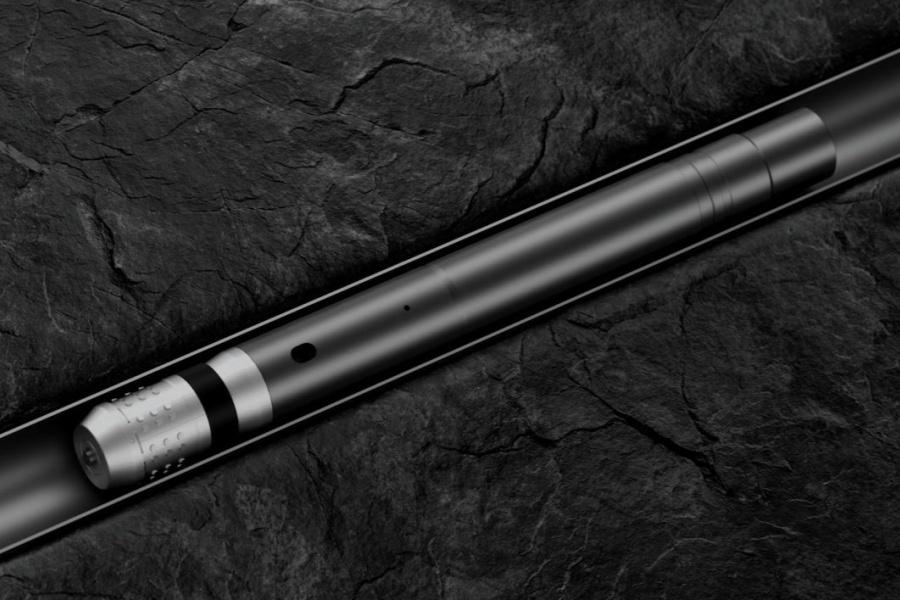
This is where Vertechs steps in, offering more than just off-the-shelf chemicals. They provide comprehensive wellbore solutions that integrate cutting-edge rheological modeling with intelligent engineering. Their approach recognizes that fluid rheology doesn’t operate in isolation. It interacts dynamically with the physical environment of the wellbore and the tools deployed within it. Consider the role of well tools. These aren't merely mechanical devices; they are sophisticated instruments designed to interact with the fluid and the formation. Downhole sensors monitor real-time pressure and temperature, feeding data back to surface systems that can adjust fluid properties on the fly. Smart cementing tools ensure precise placement of slurry with optimal rheology to bond the casing to the formation, a critical step in establishing long-term wellbore integrity. Even simple tools like centralizers become crucial when you consider that their placement affects the annular flow dynamics, which in turn influences the rheological performance of the cement slurry and its ability to displace drilling mud completely. A poorly centralized casing can lead to channeling, leaving weak spots in the cement sheath—a direct threat to wellbore integrity solutions.
The synergy between fluid rheology and well tools becomes even more apparent when tackling complex challenges like unconventional reservoirs or high-pressure, high-temperature (HPHT) environments. In these scenarios, maintaining wellbore stability is paramount. Unstable formations can collapse, squeezing the casing and potentially damaging the well. Here, Vertechs leverages its expertise to design custom fluid systems whose rheology is tailored to the specific geomechanical properties of the rock. A fluid with a carefully engineered yield point can exert just enough pressure to prop open fractures without exceeding the formation’s fracture gradient. Simultaneously, specialized well tools, perhaps incorporating expandable liners or real-time geo-steering capabilities, work in concert with these fluids to navigate the unstable zones safely. The goal is a holistic system where the fluid acts as a dynamic support structure, and the tools act as precision navigators and monitors, all contributing to robust wellbore solutions.
Moreover, the concept of wellbore integrity extends far beyond the initial drilling phase. It encompasses the entire lifecycle of the well, from completion and production to abandonment. During production, changes in fluid composition—such as the influx of water or gas—can alter the rheology of the produced fluids, impacting flow assurance and potentially leading to corrosion or scaling issues that threaten the casing. Vertechs’ focus on client value means providing ongoing monitoring and intervention strategies. This could involve deploying downhole tools that continuously assess the condition of the casing and annulus, coupled with predictive models that anticipate rheological shifts based on production data. If a problem is detected early, a targeted treatment using a specially formulated fluid with the correct rheological properties can be deployed to mitigate the issue before it escalates into a major integrity failure. This proactive approach transforms wellbore integrity from a reactive concern into a managed asset, maximizing the well’s economic life.
It’s also worth noting that the advancements in artificial intelligence, which Vertechs integrates into its service offerings, are playing a pivotal role in optimizing both fluid rheology and tool deployment. AI algorithms can analyze vast datasets from past wells, identifying subtle patterns and correlations between rheological parameters, tool performance, and subsequent wellbore stability outcomes. This allows engineers to predict potential problems before they occur and to fine-tune fluid formulations and tool configurations for maximum effectiveness. Imagine an AI system recommending a slight adjustment to a mud’s rheology based on real-time sensor data from a neighboring well, preventing a potential instability event before it even starts. This level of integration and foresight is what defines next-generation wellbore integrity solutions.
Ultimately, the pursuit of reliable, efficient, and safe energy extraction hinges on mastering the delicate balance within the wellbore. Fluid rheology provides the scientific foundation, dictating how materials behave under extreme conditions. Well tools offer the practical means to apply that science, interacting with the fluid and the formation to achieve desired outcomes. Together, they form the core of effective wellbore solutions and are indispensable for achieving lasting wellbore stability. Companies like Vertechs, with their global presence and commitment to disruptive downhole technology, are at the forefront of this effort. They understand that in the complex dance of drilling and production, it’s the mastery of these invisible forces—the flow of fluids and the precision of tools—that truly ensures the integrity of the well, safeguarding both the investment and the environment for years to come. As the energy industry continues to push boundaries, the importance of integrating fluid rheology with advanced well tools to deliver comprehensive wellbore integrity solutions will only grow, becoming a defining characteristic of successful, sustainable operations.
Ready to transform your energy operations? Contact us now at engineering@vertechs.com. Let’s innovate together for a smarter energy future.
Read Our One More Blog(1): How Plug and Perf Technologies Are Reshaping Modern Oil and Gas Operations
Read Our One More Blog(2): Reinventing Well Control — How Vertechs is Shaping the Future of Global Drilling Operations