-
Home
-
Products & Services
-
Dissolvable Plugs
 Fast Drill Plugs
Integrated Completion Systems
Fast Drill Plugs
Integrated Completion Systems
-
Intelligent Rotating Control Device
Intelligent Well Control
-
Intelligent Fluids Monitoring
Real-Time Wellbore Monitoring & Strengthening
Unconventional Completion & Dissolvable Technology
Featured HighlightsIntelligent Pressure Control Technology
Featured HighlightsIntelligent Fluids Monitoring Technology
Featured Highlights -
-
Vertechs Share
-
News
-
QHSE
-
About Us
-
Contact Us


Big Data in Oil and Gas: HOLOWELLS Digital Twin Reduces Drilling Risk and Improves Efficiency
2026-06-04
In modern drilling operations, one of the biggest challenges is simple but critical: operators cannot directly see what is happening beneath the surface. Decisions must be made based on sensor readings, drilling reports, and historical job logs rather than direct observation.
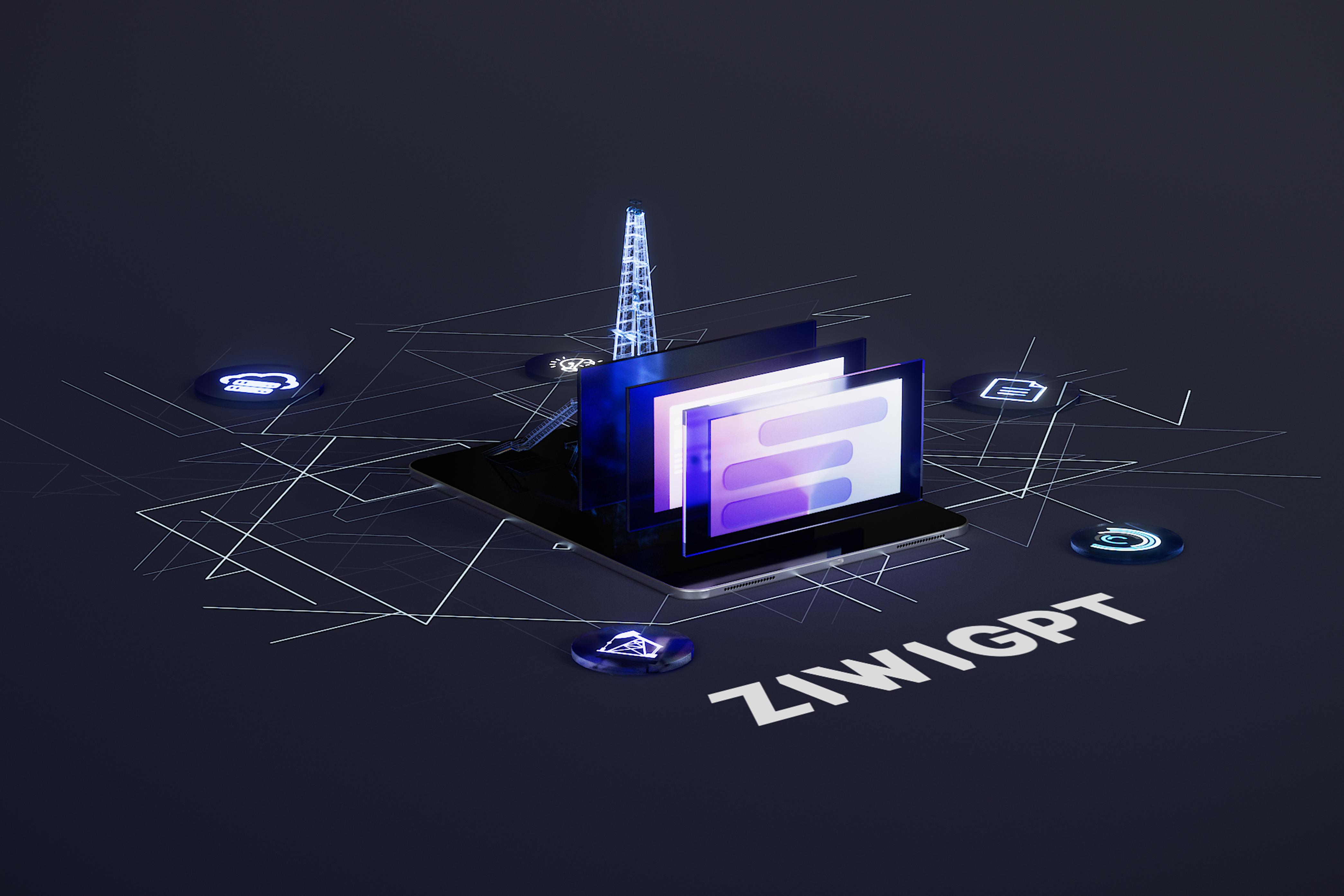
This is where big data in oil and gas and digital technologies such as the HOLOWELLS digital twin well construction platform are reshaping the industry. By combining real-time drilling data with historical performance records, HOLOWELLS enables operators to build a complete digital representation of drilling operations, improving visibility, efficiency, and risk control.
Seeing the Unseen: Turning Data into Subsurface Visibility
Drilling is inherently complex because subsurface operations are invisible in real time. Engineers must rely on fragmented datasets collected from sensors and operational logs to understand what is happening downhole.
With the rise of digital transformation in oil and gas, vast amounts of drilling data are now available. However, the real challenge lies not in collecting data, but in organizing and interpreting it effectively.
The HOLOWELLS platform addresses this by using digital twin technology to replicate drilling operations virtually. This allows operators to:
Monitor drilling progress using historical and real-time data
Improve operational awareness across multiple wells
Make faster and more informed decisions
Reduce uncertainty in subsurface operations
In essence, HOLOWELLS turns complex drilling datasets into actionable intelligence.
User-Friendly Big Data Analytics for Drilling Operations
One of the key strengths of the HOLOWELLS system is its ability to structure large volumes of operational data into meaningful categories.
During drilling campaigns across specific regions, engineers often encounter multiple types of issues such as kicks, borehole instability, and lost circulation. These events are typically recorded across different systems and formats, making them difficult to analyze collectively.
HOLOWELLS allows engineers to:
Categorize drilling issues by location, depth, type, frequency, and parameters
Analyze patterns across multiple wells
Identify recurring operational risks
Improve planning for future wells in similar geological settings
For example, if an operator previously experienced frequent kick events in a specific region, HOLOWELLS enables them to filter data related specifically to those incidents and apply insights directly to upcoming drilling programs.
The platform interface is designed to be highly intuitive—offering an experience similar to an RTS (real-time strategy) game rather than traditional engineering software—requiring minimal training for new users.
Risk Identification Through Digital Twin Visualization
A core function of the HOLOWELLS platform is its ability to visualize drilling risks across well trajectories.
In the case study scenario, operators selecting a new drilling location can immediately view:
Previously drilled wells in the same region
Well trajectories mapped in 3D space
Historical operational issues linked to specific depths
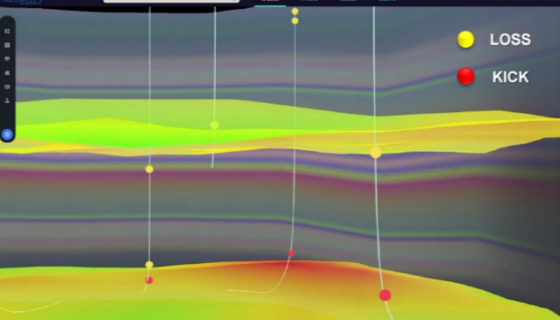
For instance, red markers are used to indicate depths where kick events previously occurred. By analyzing these visual patterns across multiple wells, engineers can identify high-risk zones before drilling begins.
Beyond kicks, the system also helps detect:
Lost circulation zones
Borehole instability regions
Other recurring drilling complications
This is achieved by integrating unstructured data from daily drilling reports, job logs, offset well data, and real-time drilling streams. Once processed, this information is visually embedded into well trajectories, giving operators a complete and intuitive risk map.
Real-Time Drilling Software and BHA Monitoring
HOLOWELLS also provides real-time monitoring capabilities for ongoing drilling operations.
Operators can view:
Real-time drilling parameters
Drilling hydraulics data
Wellbore trajectory updates
Bottom Hole Assembly (BHA) behavior
This level of visibility allows engineers to track single wells or multiple wells simultaneously, regardless of geographic location.
By centralizing real-time drilling data into one platform, HOLOWELLS reduces the need for manual data consolidation and improves operational decision-making speed.
Operational Efficiency Through Big Data Integration
By integrating big data in oil and gas workflows with digital twin visualization, HOLOWELLS helps operators:
Reduce time spent on manual data analysis
Improve cross-well comparison efficiency
Enhance decision-making accuracy
Streamline drilling planning and execution
This shift allows engineering teams to focus more on strategic decisions rather than repetitive data processing tasks.
The HOLOWELLS digital twin well construction platform demonstrates how digital drilling software is transforming the oil and gas industry.
By combining real-time drilling software, artificial intelligence concepts, and big data analytics, the platform enables a new level of operational intelligence—where subsurface uncertainty is reduced and drilling decisions become more proactive and data-driven.
As drilling environments become increasingly complex, tools like HOLOWELLS represent a critical step forward in building safer, more efficient, and more intelligent oil and gas operations.
Vertechs is committed to delivering innovative energy solutions that drive efficiency and sustainability. Our cutting-edge technologies and services are designed to meet the evolving needs of the energy industry. To learn more about how we can support your projects, please contact us.
Read Our One More Blog(1): Big Data in Oil and Gas: How Analytics Is Transforming Drilling Operations
Read Our One More Blog(2): Dissolvable Frac Plugs for Severe Casing Restrictions | Wizard HEDP Case Study