-
Home
-
Products & Services
-
Dissolvable Plugs
 Fast Drill Plugs
Integrated Completion Systems
Dissolvable Cement Retainer
Fast Drill Plugs
Integrated Completion Systems
Dissolvable Cement Retainer
-
Intelligent MPD Manifolds
Intelligent Rotating Control Device
Intelligent All-Electric WBP MPD System
Intelligent Valve Retrofit
-
Intelligent Fluids Monitoring
Real-Time Wellbore Monitoring & Strengthening
Intelligent Drilling Fluids Management
Unconventional Completion & Dissolvable Technology
Featured HighlightsIntelligent Pressure Control Technology
Featured HighlightsIntelligent Fluids Monitoring Technology
Featured Highlights -
-
Vertechs Share
-
News
-
QHSE
-
About Us
-
Contact Us
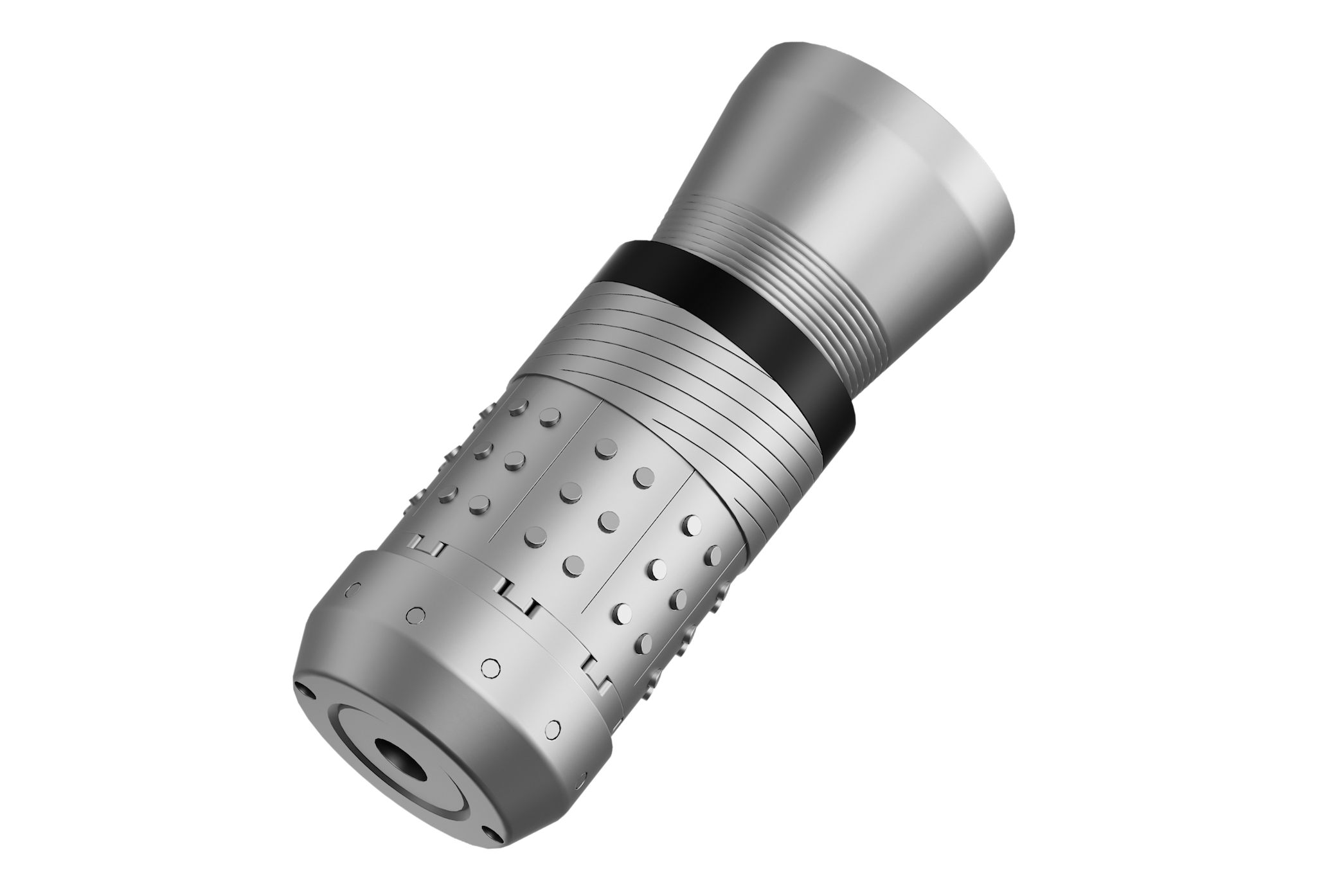
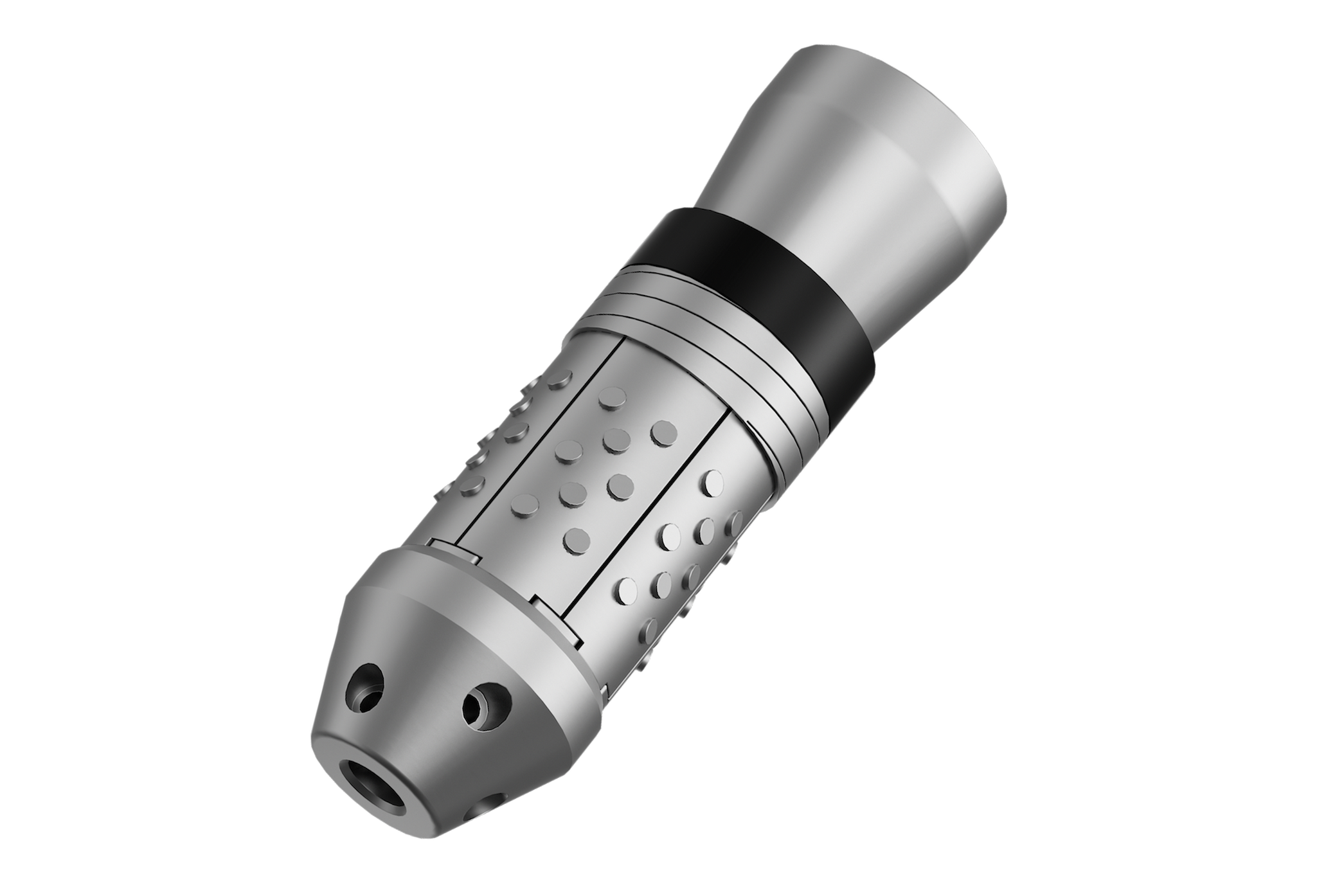
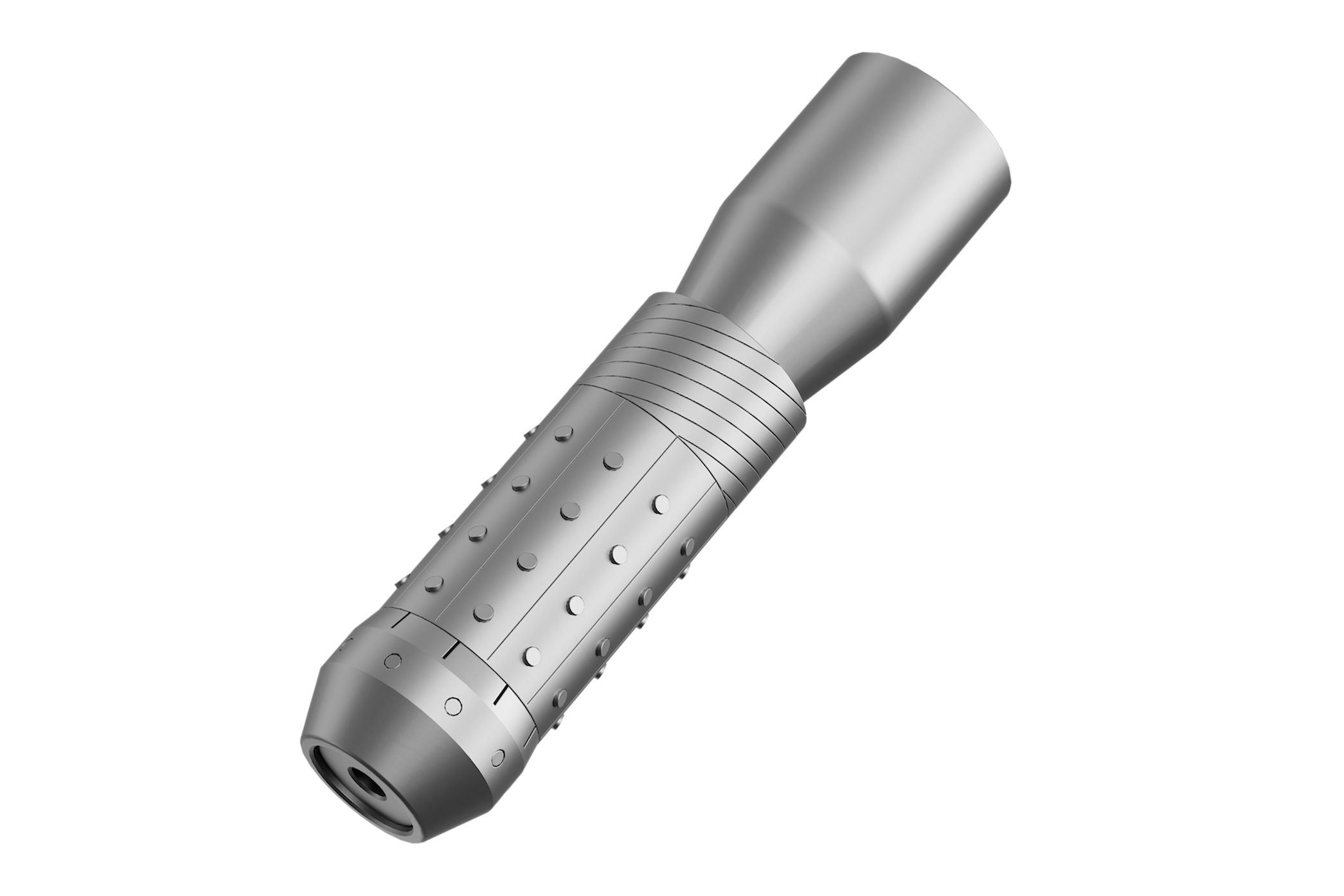
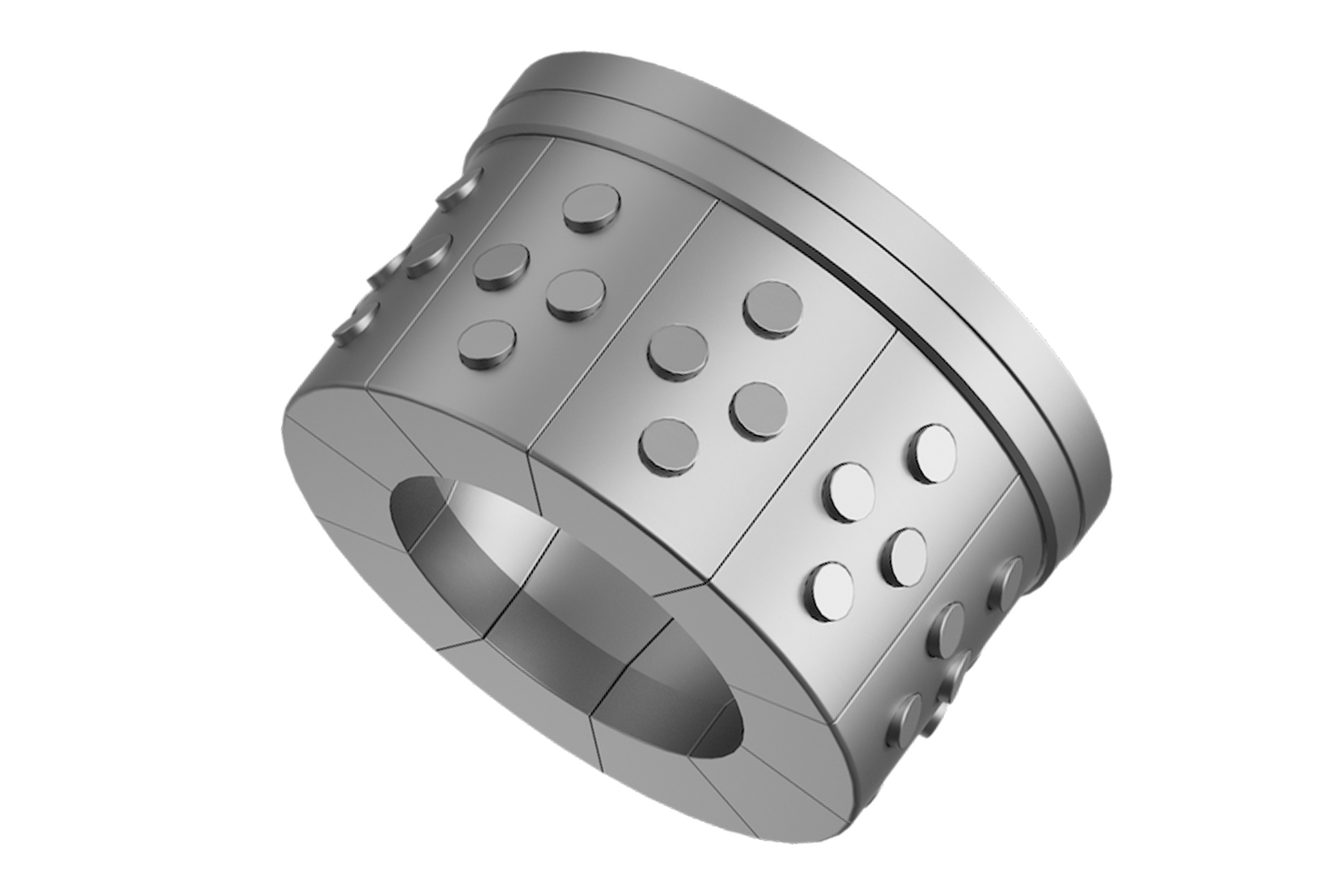
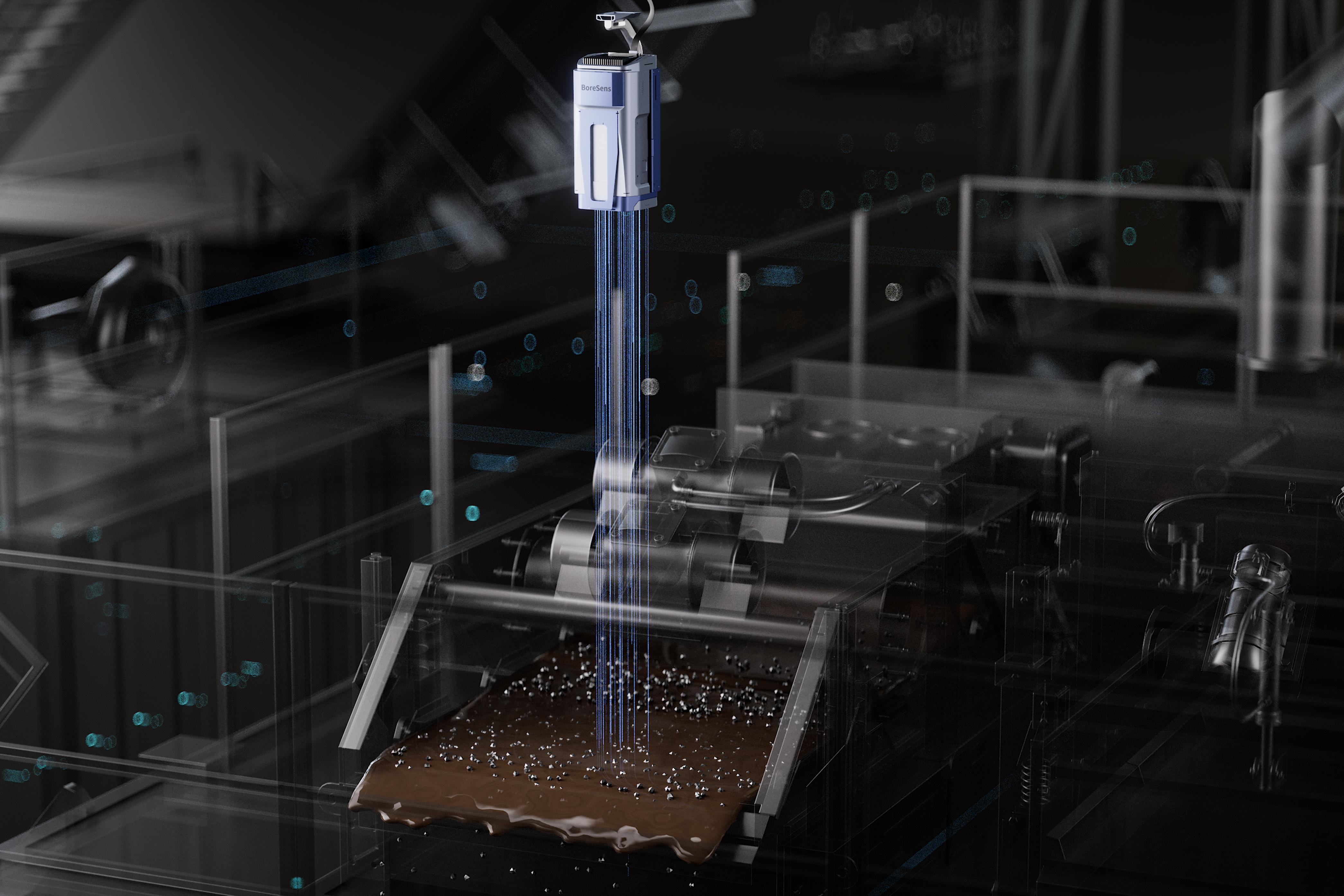





Comparing Traditional And Real-Time Approaches For Managing Loss Circulation In Drilling Operations
2025-11-27
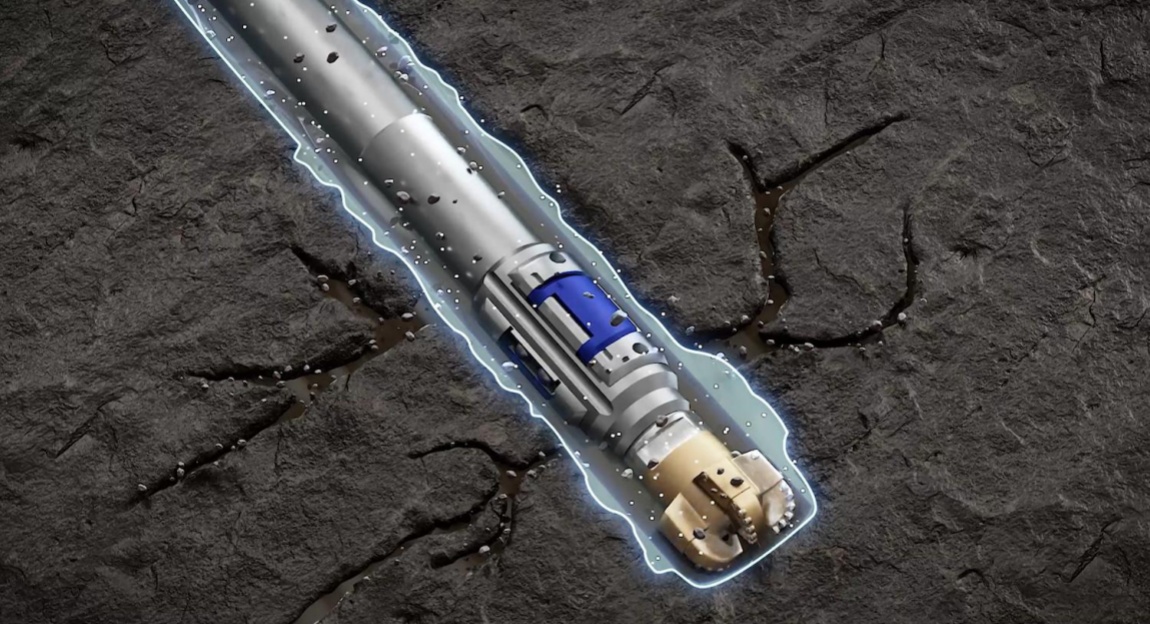
Losing circulation is one of the major problems during drilling. It occurs when drilling fluid is injected into weak formations instead of being returned to the surface through the wellbore. Real-time wellbore strengthening offers precision, control, and data-driven capabilities. The transition from obsolete technologies to advanced systems not only makes drilling safer but also more efficient in general. This article features both methods and straightforwardly compares their advantages.
Learning About Old Ways Of Losing Money
Traditional methods heavily rely on the experience of the team and on witnessing events directly. Drilling teams monitor the levels of fluids, changes in pit volume, and mud returns. They can use these signals to estimate the amount of money that they might be losing. However, manual inspections usually detect losses at a late stage. Delayed detection often results in the worsening of the formation and increases the cost. Also, traditional systems do not have real-time tracking. The solution depends on people's opinions, which vary from one team to another. These limitations make it difficult to understand what is happening during critical operations.
How Monitoring In Real Time Helps Keep Losses Under Control
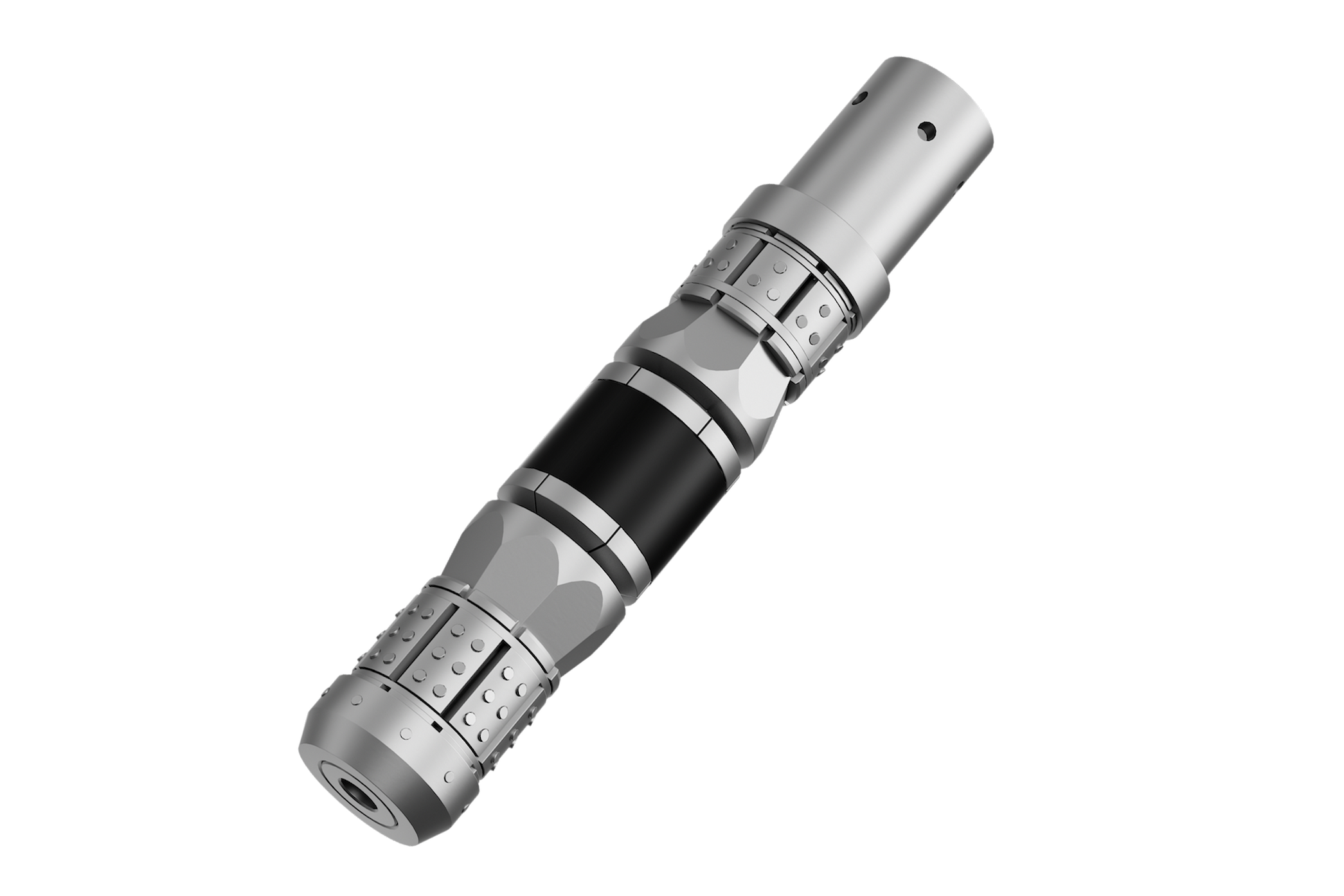
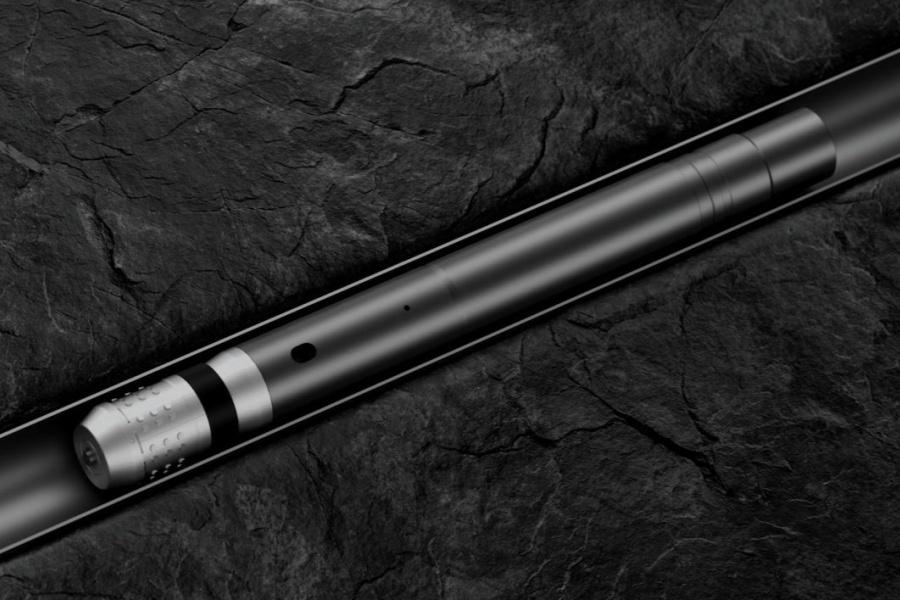
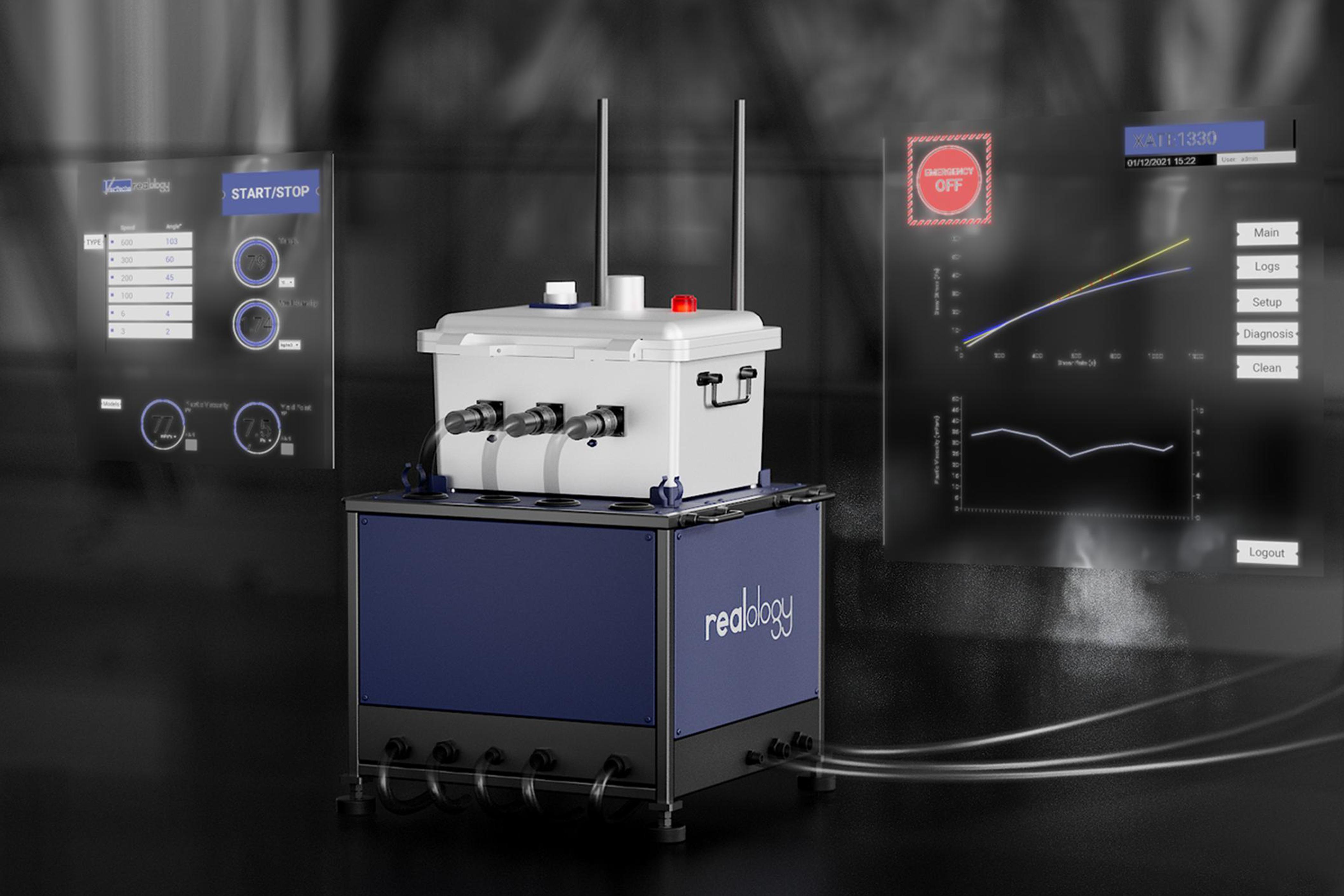
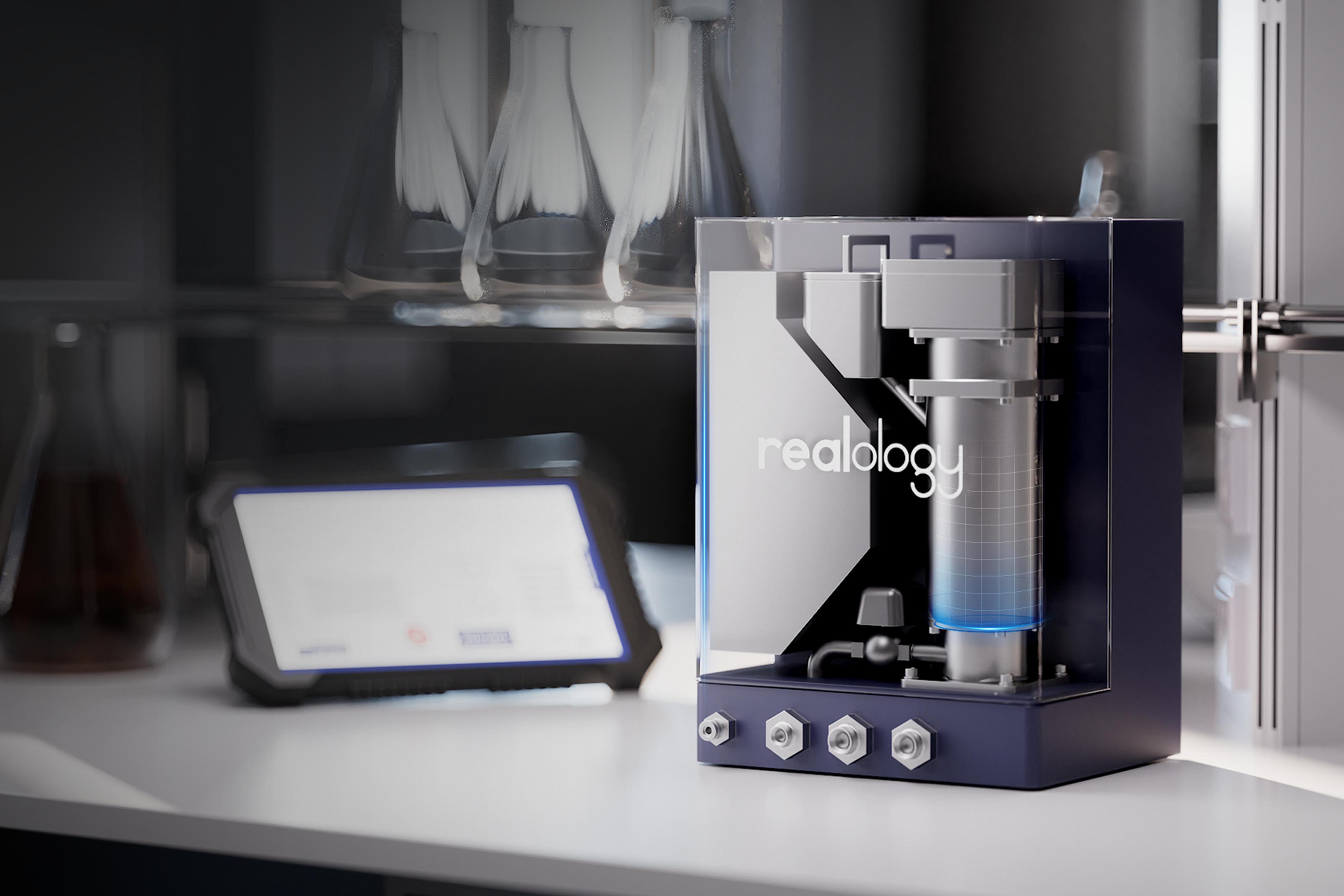
Real-time systems revolutionize the way teams handle loss circulation in drilling. Such instruments as the RWSS can serve as perfect examples of real-time wellbore strengthening solutions. It constantly tracks variations in pressure, fluid behavior, and formation reactions without any delay. This allows the units to undertake preventive measures prior to the occurrence of significant losses. Real-time alerts bring clarity to situations and thus enable decision-making to be done quicker. Drilling crews are in a better position to alter the properties of the mud with greater precision. In turn, this reduces the risk as well as the damage to the formation.
The Main Differences Between Real-Time And Traditional Systems
Differences between traditional and real-time systems are numerous and varied. The most significant difference lies in the fact that real-time technologies provide immediate information, whereas traditional approaches are based on delayed detection. The distance between them directly influences cost, response time, and drilling stability. Real-time systems eliminate uncertainty and offer precise instructions in the event of fluid loss. Some of the most prominent differences are as follows:
Speed of Detection: Traditional detection needs a lot of time, while real-time detection is done instantly.
Decision Quality: Traditional methods rely on the skills of the experts, whereas real-time methods utilize definite facts.
Risk Level: The introduction of real-time systems results in risk minimization, while the continuation of using traditional systems leads to the existence of larger risks.
Cost of Operations: If one opts to use manual procedures, costs will be raised, whereas the implementation of real-time technologies will result in the reduction of costs.
Protection of Formations: Real-time systems perform better in protecting formations as compared to conventional ones.
Advantages Of Real-Time Solutions For Strengthening Wellbores
Real-time wellbore systems are critical for drilling nowadays. They are able to detect when losses are going to occur even before they do. Therefore, one can take the necessary steps to prevent the occurrence of a loss rather than dealing with it after it has happened. The system deploys real-time data to the drilling team to assist them. Better decisions help restrain the pressure. Real-time systems are also able to reduce the wastage of materials and fluids. They do away with the overuse of loss circulation in drilling materials. By doing so, they ensure that the wellbore remains in a safe condition and the risk of a pipe trap is lowered. This, in turn, makes drilling more stable and safe for workers. Real-time technology makes the drilling environment more intelligent and more controllable.
Why The Industry Is Moving Toward Solutions That Work In Real Time
The energy industry has the challenge of doing more with less and still managing to do better work. These goals cannot be met by traditional methods. Real-time systems are very good in that they bring things to light. They offer the teams a quick understanding of the underground situation. It allows engineers to come up with more efficient drilling programs. Most businesses nowadays are fond of methods that save time. They want technology that is capable of stabilizing and securing the process. Real-time loss circulation in drilling control is currently a reliable solution. It improves drilling and builds trust in every job.
In Conclusion
Loss of circulation is a factor that endangers the safety of drilling, is the cause of the expense, and affects the schedule of the operation. The older methods are still functional, but they are neither as fast nor as accurate. Real-time systems provide alerts promptly and protect the wellbore more efficiently. They decrease the risk and give the teams the freedom to choose the next step. Currently, companies are more willing to employ smarter instruments in achieving better results.
FAQs
1. What causes loss circulation in drilling ?
When drilling fluid is injected into weak or broken strata, loss of circulation is the result. These formations are not capable of handling the normal pressure in the wellbore.
2. Why don't standard methods work as well?
Traditional methods are late in detecting losses. They depend on slow reactions and manual checks. This makes drilling more dangerous.
3. What do real-time systems do to help?
Real-time systems keep track of fluid and pressure data right away. They let teams know early and help them make quick judgments.
4. Can real-time systems help cut costs?
Yes, real-time monitoring cuts down on fluid waste, downtime, and damage to the formation. This makes the entire cost lower.
5. Are real-time systems good for all wells?
Most types of wells can use real-time systems. They are useful in formations that are deep, complicated, or risky.
Read Our One More Blog(1): How Big Data in Oil and Gas is Fueling the Smart Drilling Revolution
Read Our One More Blog(2): Mastering Modern Drilling: How Advanced Well Control Systems and Services Enhance Safety and Efficiency