-
Home
-
Products & Services
-
Dissolvable Plugs
 Fast Drill Plugs
Integrated Completion Systems
Dissolvable Cement Retainer
Fast Drill Plugs
Integrated Completion Systems
Dissolvable Cement Retainer
-
Intelligent MPD Manifolds
Intelligent Rotating Control Device
Intelligent All-Electric WBP MPD System
Intelligent Valve Retrofit
-
Intelligent Fluids Monitoring
Real-Time Wellbore Monitoring & Strengthening
Intelligent Drilling Fluids Management
Unconventional Completion & Dissolvable Technology
Featured HighlightsIntelligent Pressure Control Technology
Featured HighlightsIntelligent Fluids Monitoring Technology
Featured Highlights -
-
Vertechs Share
-
News
-
QHSE
-
About Us
-
Contact Us



How Big Data in Oil and Gas is Fueling the Smart Drilling Revolution
2025-11-27

The energy landscape is undergoing a transformation that feels less like an evolution and more like a quiet, powerful revolution. At the heart of this seismic shift lies the convergence of two powerful forces: the vast, untapped potential of big data in oil and gas, and the increasingly sophisticated capabilities of smart drilling and smart well technology. It’s no longer just about finding hydrocarbons; it’s about understanding them, predicting their behavior, and extracting them with unprecedented precision and efficiency. This is where companies like Vertechs step in, not merely as vendors, but as architects of a new digital era for the industry.
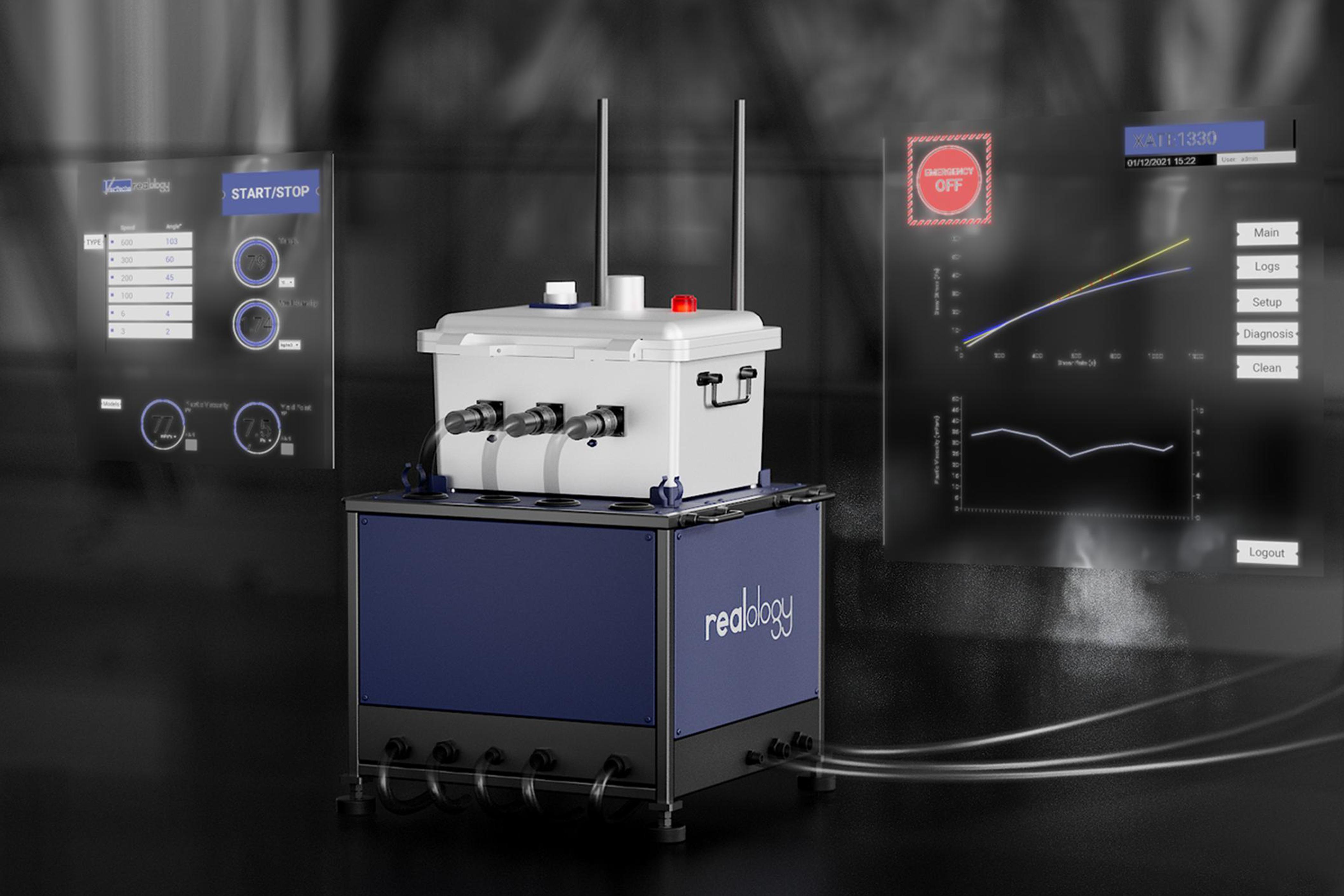
Think about the sheer volume of information generated every second from a modern drilling rig or a network of producing wells. Sensors embedded deep underground, on surface equipment, and within pipelines are constantly whispering secrets about pressure, temperature, flow rates, and geological formations. For decades, much of this data was either ignored or stored away, a silent testament to our technological limitations. Today, however, the narrative has flipped. This deluge of information is now recognized as the most valuable asset a company can possess. The challenge, and the opportunity, lies in harnessing big data in oil and gas to turn raw numbers into actionable intelligence. It’s the difference between navigating by guesswork and sailing with a high-definition, real-time map.
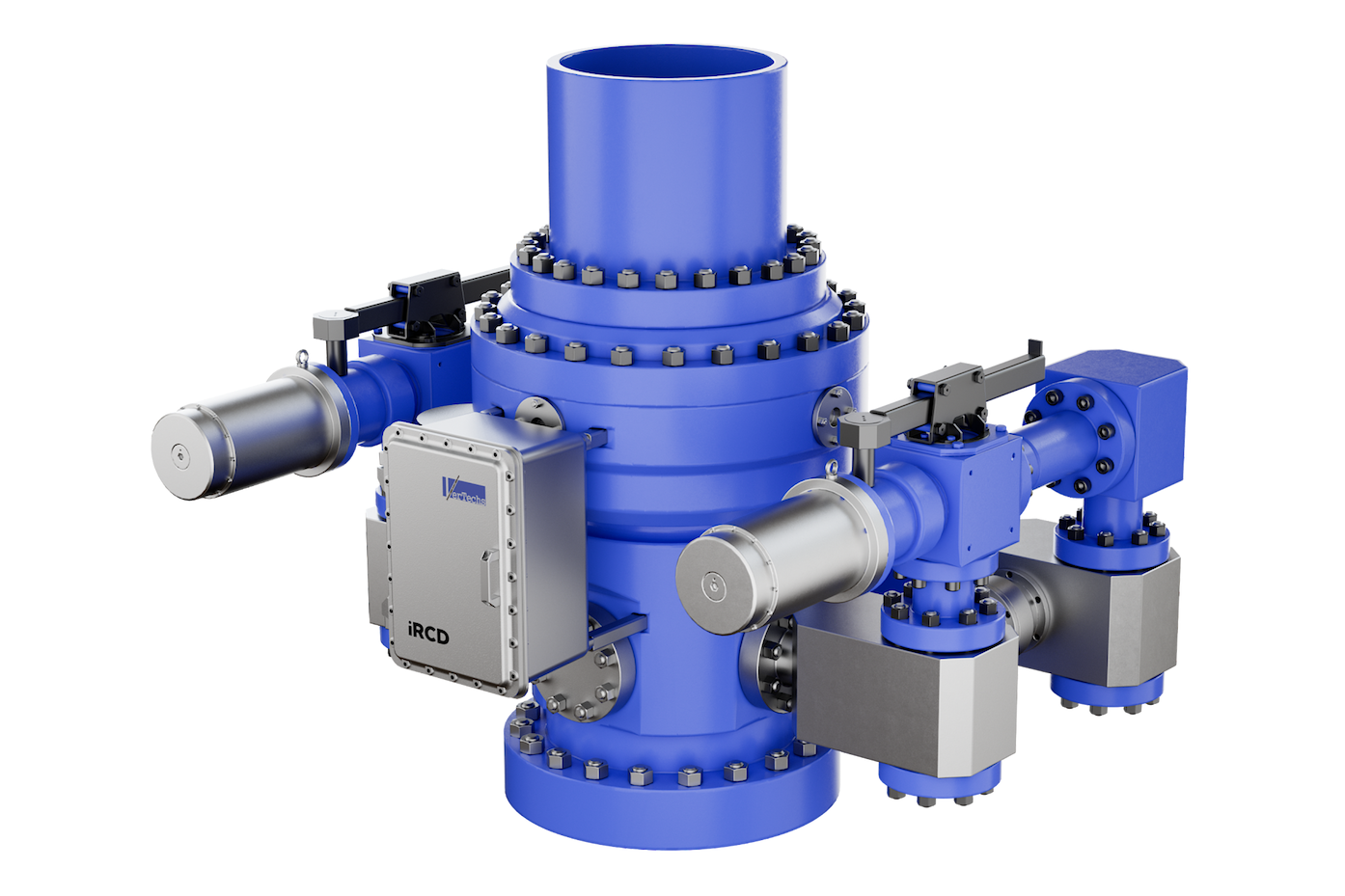
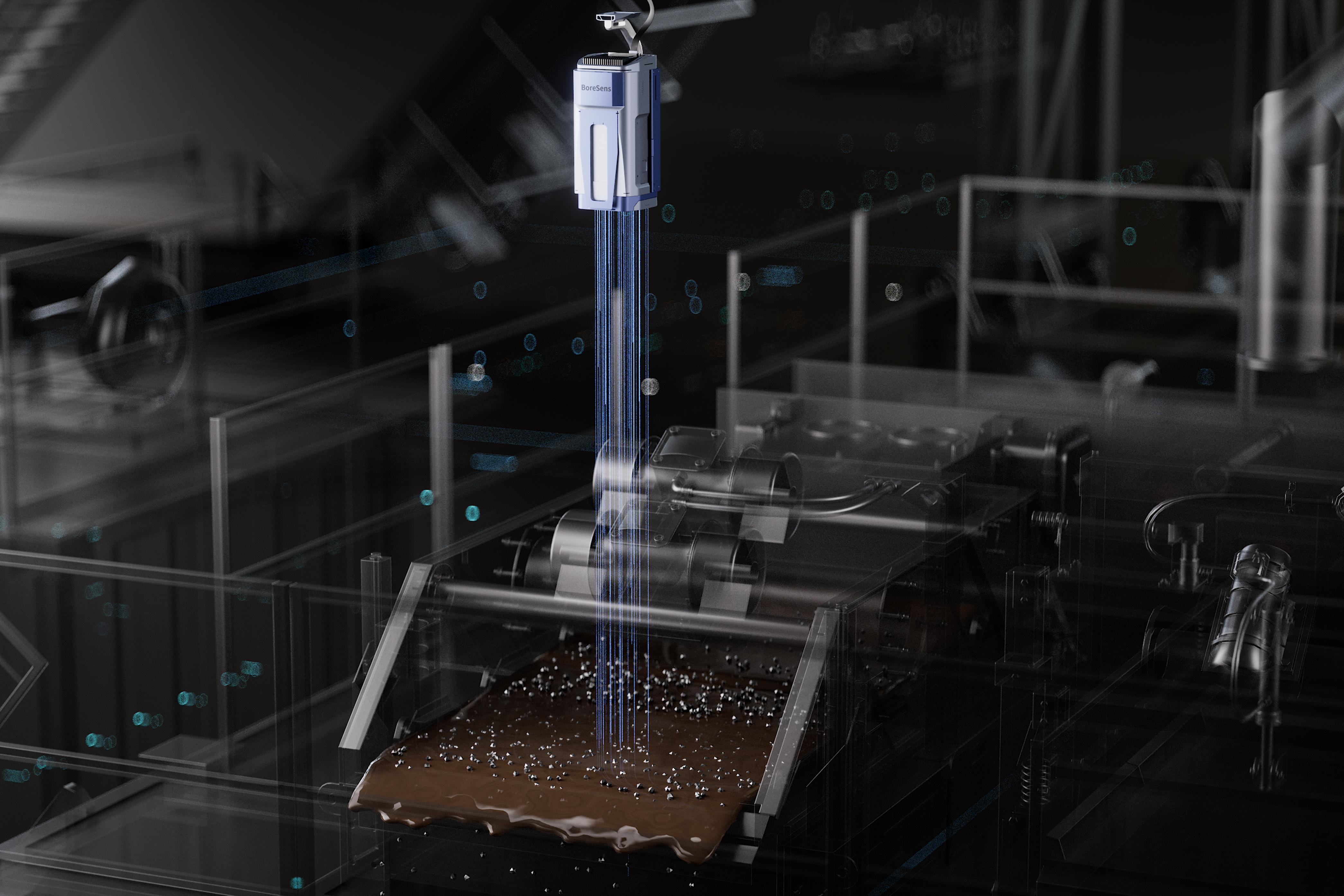
This is precisely where the concept of smart drilling comes alive. It’s not just about automated rigs or robotic arms; it’s about intelligent systems that learn, adapt, and optimize in real time. Imagine a drill bit that doesn’t just cut through rock, but understands the rock it’s encountering. By feeding real-time sensor data into advanced algorithms, smart drilling systems can adjust parameters on the fly—changing weight on bit, rotational speed, or mud properties—to maximize rate of penetration while minimizing wear and tear and avoiding dangerous downhole conditions. This isn't science fiction; it’s the practical application of big data in oil and gas, turning theoretical models into tangible operational gains. Companies like Vertechs, with their focus on disruptive downhole technology products, are at the forefront of developing these intelligent tools, ensuring that the data collected isn't just analyzed, but actively used to drive performance.
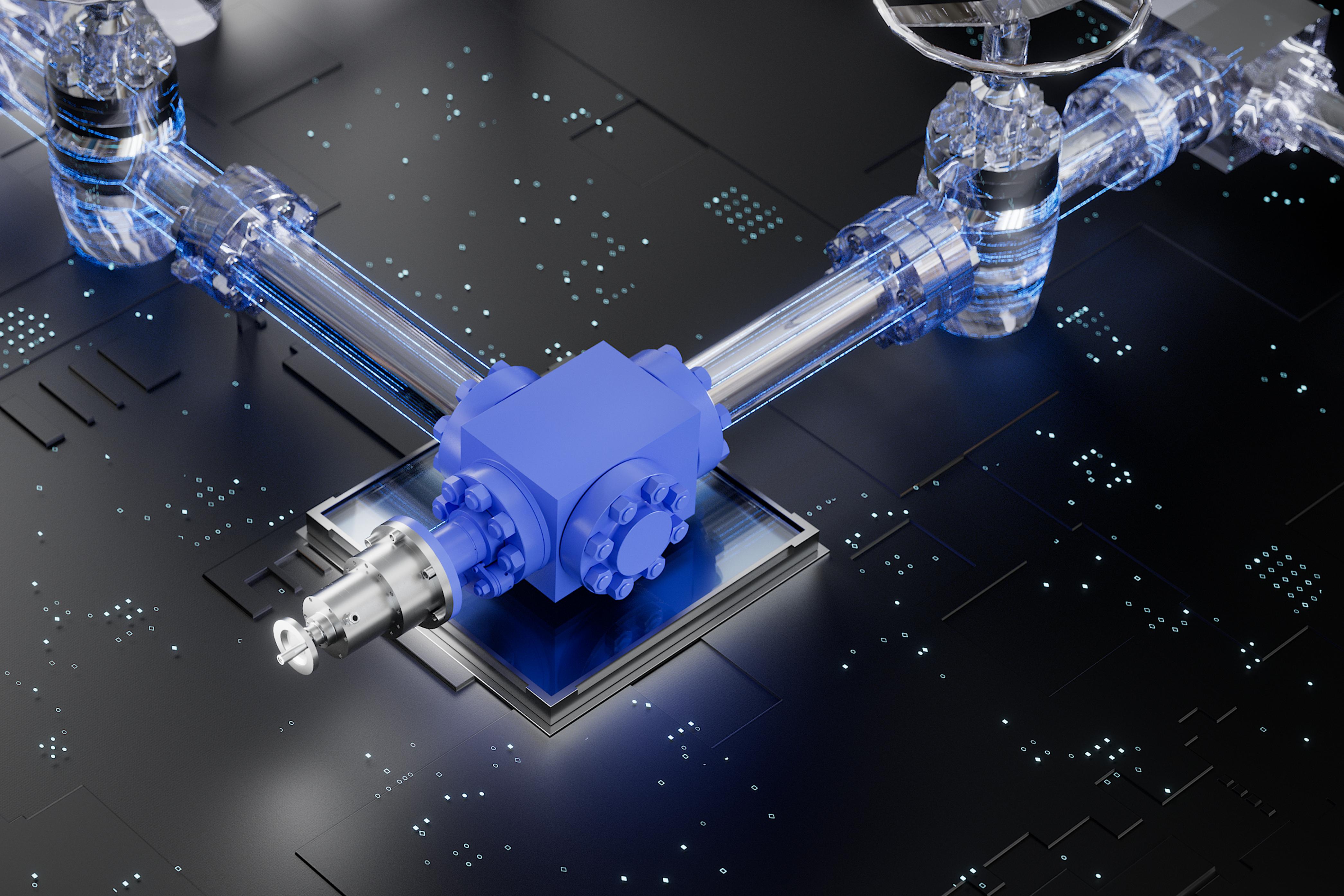
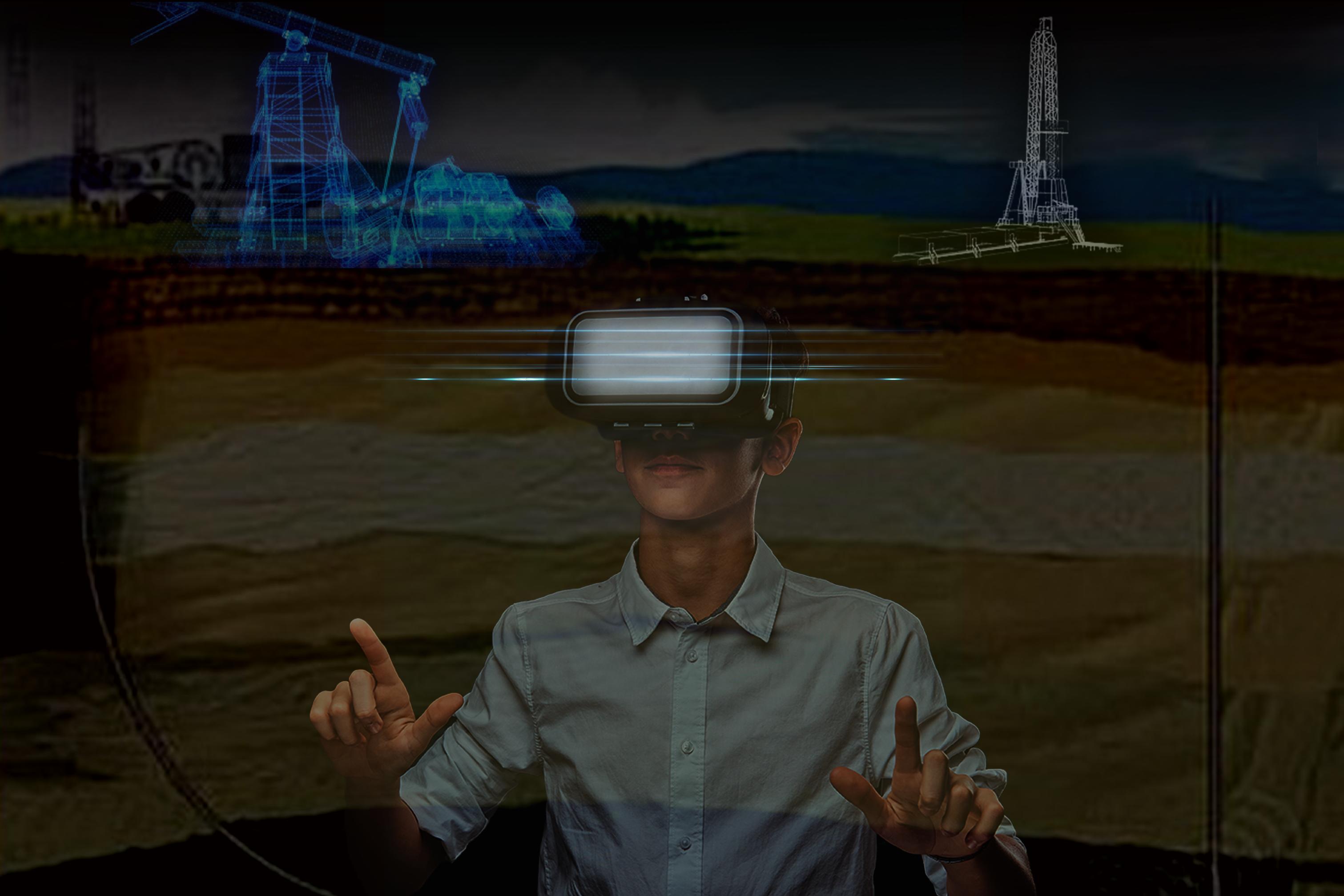
But the story doesn't end at the drill bit. The true power of this digital transformation unfolds when we look at the entire well lifecycle, which is where smart well technology becomes indispensable. A smart well is essentially a well equipped with downhole sensors, control valves, and communication systems that allow operators to monitor and manage production remotely and dynamically. This means you can adjust flow rates from different zones within a single well, shut in a water-producing zone without shutting down the entire well, or even diagnose potential issues before they become costly failures—all based on continuous streams of data. The integration of smart wells into a broader digital infrastructure creates what some call a "smartdigital" ecosystem. It’s a network where data flows seamlessly from the reservoir, through the wellbore, to the surface facilities, and ultimately to the decision-makers’ dashboards. This holistic view, powered by big data in oil and gas analytics, allows for proactive management rather than reactive firefighting.
The synergy between big data in oil and gas and smart well technology is profound. Data from smart wells provides the granular, real-time insights needed to validate and refine reservoir models. These models, in turn, inform the development of smarter drilling strategies for future wells. It’s a virtuous cycle of learning and improvement. For instance, if a smart well reveals unexpected water influx in a specific layer, that information can be fed back into the planning phase for the next well in the field, allowing engineers to design a smarter completion strategy or adjust the drilling trajectory to avoid the problematic zone altogether. This level of integration and foresight is only possible because of the robust digital backbone provided by companies specializing in comprehensive digital application upgrades, like Vertechs.
Furthermore, the benefits extend far beyond operational efficiency. The predictive power derived from analyzing big data in oil and gas, combined with the control offered by smart well technology, significantly enhances safety and environmental stewardship. Early detection of anomalies can prevent blowouts or leaks. Optimized production reduces the need for unnecessary interventions, minimizing the environmental footprint. In an industry under increasing scrutiny, this ability to operate more safely and sustainably is not just a moral imperative; it’s a strategic advantage. The "smartdigital" approach enables transparency and accountability, allowing companies to demonstrate responsible resource management to regulators and stakeholders alike.
The global reach of firms like Vertechs, with headquarters strategically placed in key energy hubs like Chengdu and Dammam, underscores the universal applicability of this digital paradigm. Whether operating in the complex geologies of the Middle East or the mature fields of North America, the principles remain the same: leverage data, deploy intelligent technology, and continuously optimize. Their presence in the United States, Canada, and Hong Kong highlights a commitment to serving diverse markets with tailored solutions that address local challenges while adhering to global best practices in big data in oil and gas and smart well deployment.
It’s important to recognize that this transformation is not merely about adopting new gadgets. It’s a cultural and organizational shift. It requires breaking down silos between engineering, geoscience, and IT departments. It demands investment in talent who can speak the language of both petroleum engineering and data science. And it necessitates a willingness to embrace change and experiment with new technologies. Companies that successfully navigate this transition will be the ones who thrive in the coming decades. They will be the pioneers of the "smartdigital" era, where every barrel of oil produced is the result of a meticulously planned, data-driven, and intelligently executed operation.
In conclusion, the future of the oil and gas industry is undeniably digital. The integration of big data in oil and gas with cutting-edge smart drilling and smart well technology is not a trend; it’s the new standard. It’s about transforming vast amounts of raw information into a powerful, predictive, and prescriptive force that drives efficiency, safety, and sustainability. As companies like Vertechs continue to innovate and provide comprehensive engineering solutions, they are not just selling products; they are enabling a fundamental reimagining of how energy is produced. To learn more about how Vertechs can support your energy technology needs, please contact us or email us at engineering@vertechs.com.
Read Our One More Blog(1): How Vertechs is Revolutionizing Well Control and MPD for the Modern Energy Landscape
Read Our One More Blog(2): Reducing Operational Risks with Intelligent Drilling Fluids Monitoring!