-
Home
-
Products & Services
-
Dissolvable Plugs
 Fast Drill Plugs
Integrated Completion Systems
Dissolvable Cement Retainer
Fast Drill Plugs
Integrated Completion Systems
Dissolvable Cement Retainer
-
Intelligent MPD Manifolds
Intelligent Rotating Control Device
Intelligent All-Electric WBP MPD System
Intelligent Valve Retrofit
-
Intelligent Fluids Monitoring
Real-Time Wellbore Monitoring & Strengthening
Intelligent Drilling Fluids Management
Unconventional Completion & Dissolvable Technology
Featured HighlightsIntelligent Pressure Control Technology
Featured HighlightsIntelligent Fluids Monitoring Technology
Featured Highlights -
-
Vertechs Share
-
News
-
QHSE
-
About Us
-
Contact Us





Drilling Fluid and Cementing: How Vertechs is Redefining Well Integrity
2026-01-29
In the complex world of oil and gas extraction, the term “drilling fluid” often seems straightforward — just the mud that helps carry cuttings to the surface and lubricate the drill bit. But for companies like Vertechs, drilling fluid is much more than that. It’s a carefully engineered tool, dynamically formulated and constantly monitored, working in tandem with cementing operations to secure wellbore integrity and ensure long-term success.
At its core, drilling fluid is a carefully balanced mixture — whether water-based, oil-based or synthetic — often incorporating clays, polymers, weighting agents, and chemical additives to control properties like viscosity, density, pH, and filtration behavior. Its roles are many: cooling and lubricating the drill bit, suspending and transporting cuttings, supporting the wellbore under hydrostatic pressure, minimizing formation damage, and facilitating accurate logging and evaluation of formations. Without the right drilling fluid, even the best drill bit can struggle — borehole instability, lost circulation, or formation damage can quickly derail an operation.
Yet drilling fluid’s journey doesn’t end when the bit drills the well to target depth. In fact, it sets the stage for the next, equally critical phase: cementing. Cementing — defined as pumping a cement slurry into the annular space between casing and wellbore — is what locks everything in place: it supports the casing, seals off undesirable fluid migration, isolates different geological zones, and protects fresh water sands from contamination.
That’s where cementing equipment and cementing additives come into play. Proper cementing demands specialized equipment — cementing heads, wiper plugs, float shoes and collars, centralizers and turbolizers — to ensure the cement slurry is pumped correctly, reaches all required zones, and forms a solid, continuous sheath without voids or channels. Cementing additives or cementing chemicals then tailor the slurry’s behavior: retarders control setting time, extenders adjust density, dispersants improve flowability, and other chemicals enhance bonding and long-term stability.
What distinguishes companies like Vertechs from more traditional “cementing companies” is their holistic, integrated approach — blending advanced drilling fluid technology with sophisticated cementing solutions and real-time monitoring. On one hand, their drilling fluid formulations respond to the unique demands of each geological environment: high pressure, high temperature (HPHT), shale formations, offshore vs onshore conditions, etc. On the other hand, their cementing services don’t rely simply on standard cement slurries and pumping; Vertechs combines cementing chemicals, specialized cementing equipment, and real-time wellbore sensing to deliver a robust, adaptive solution.
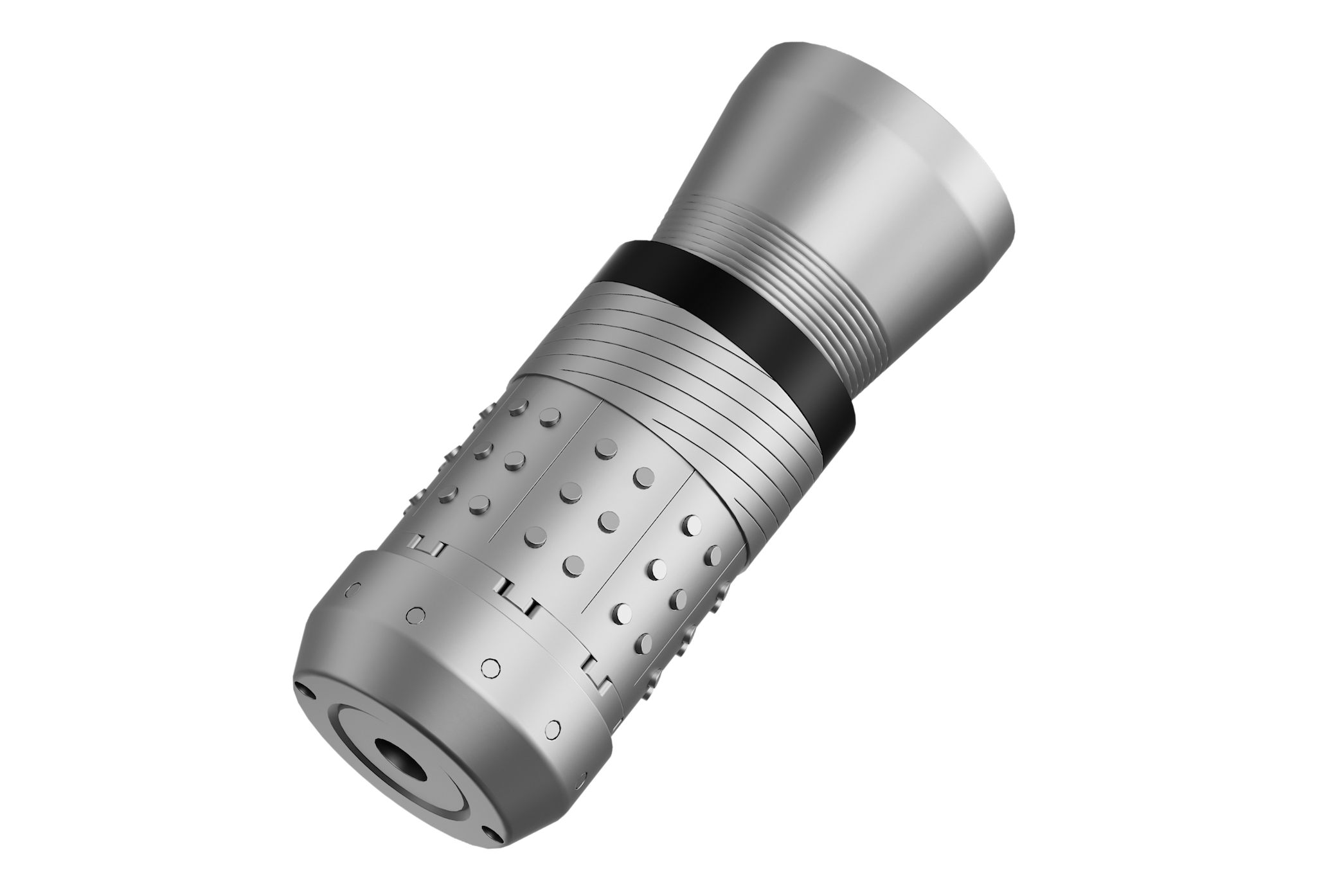
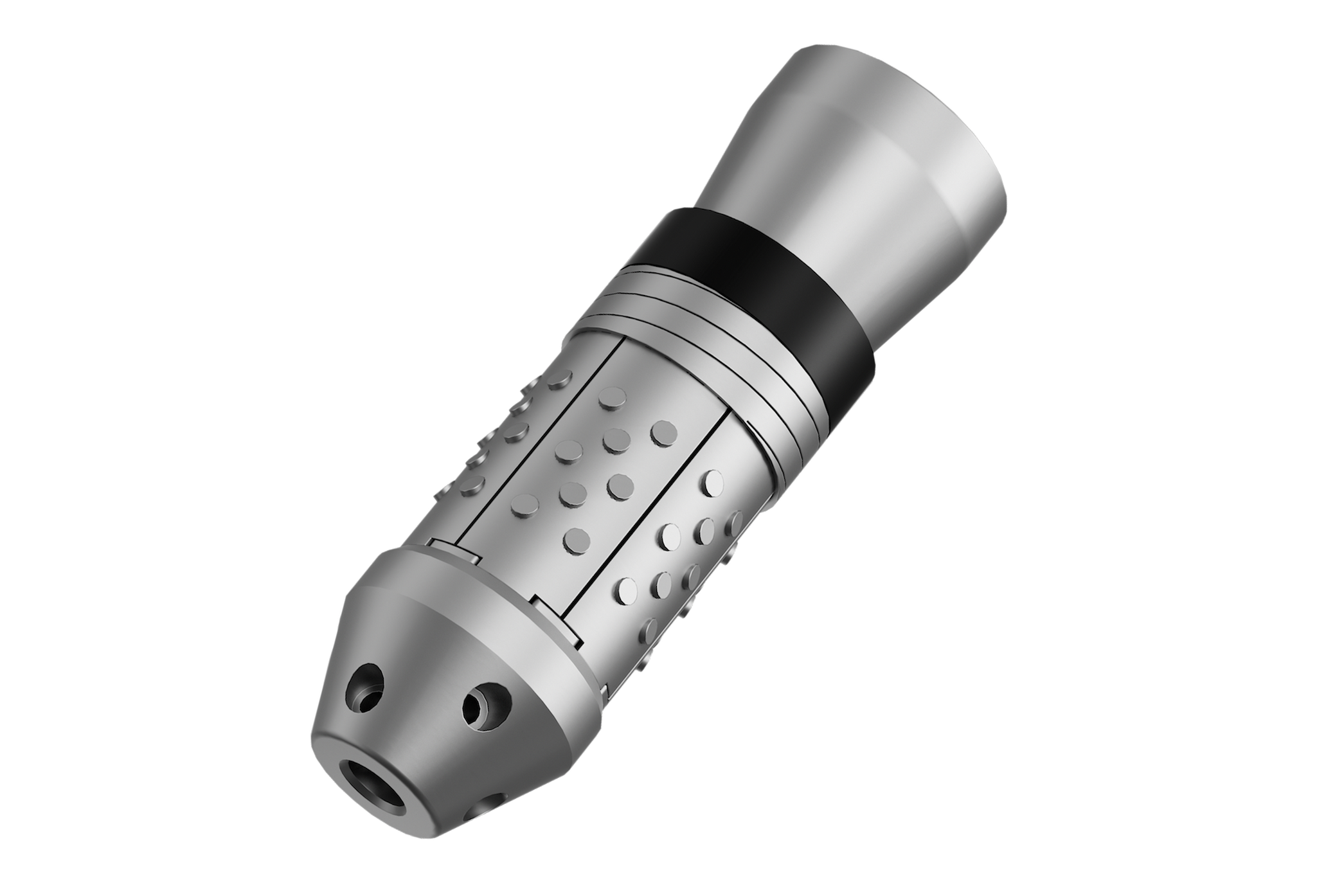
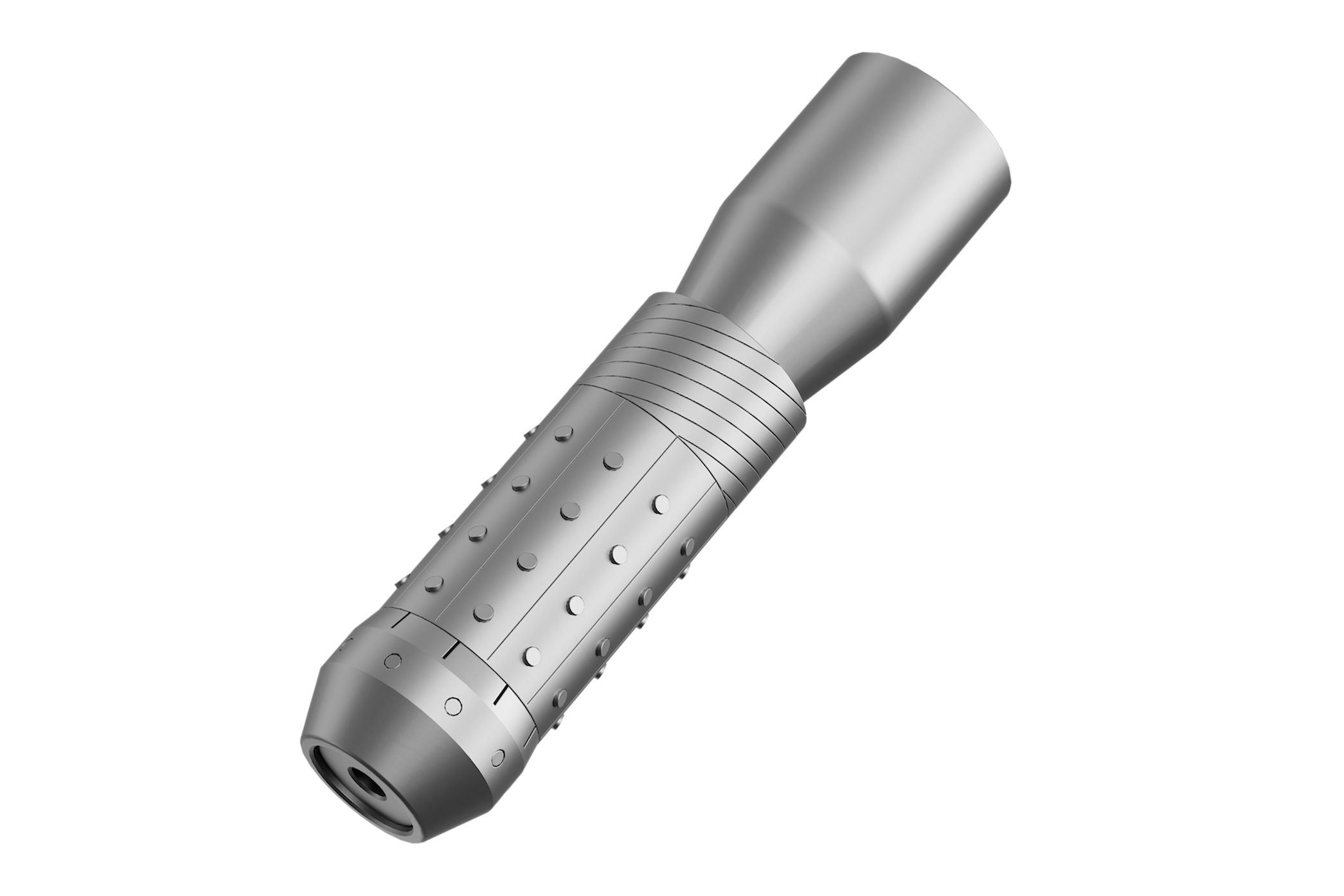
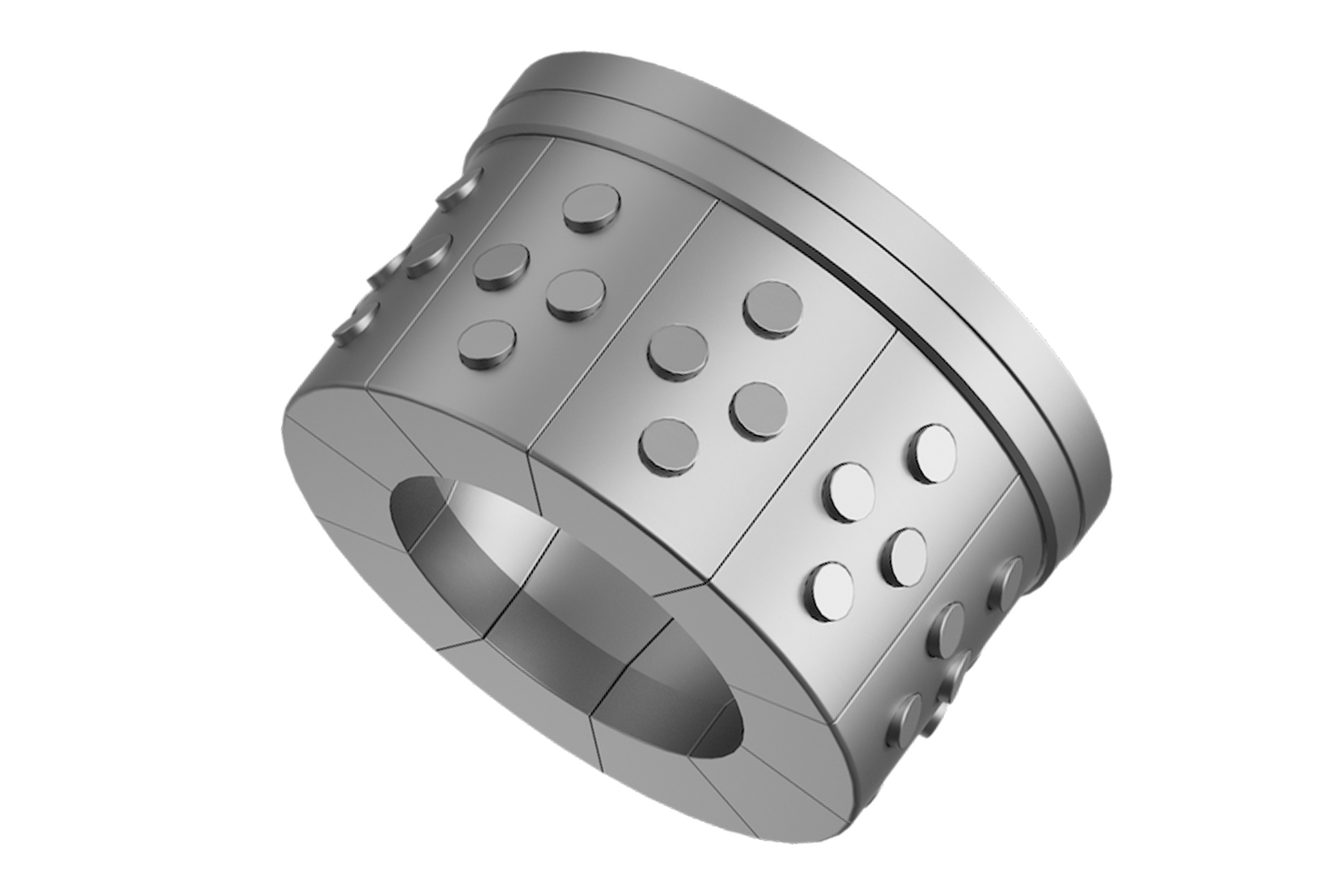
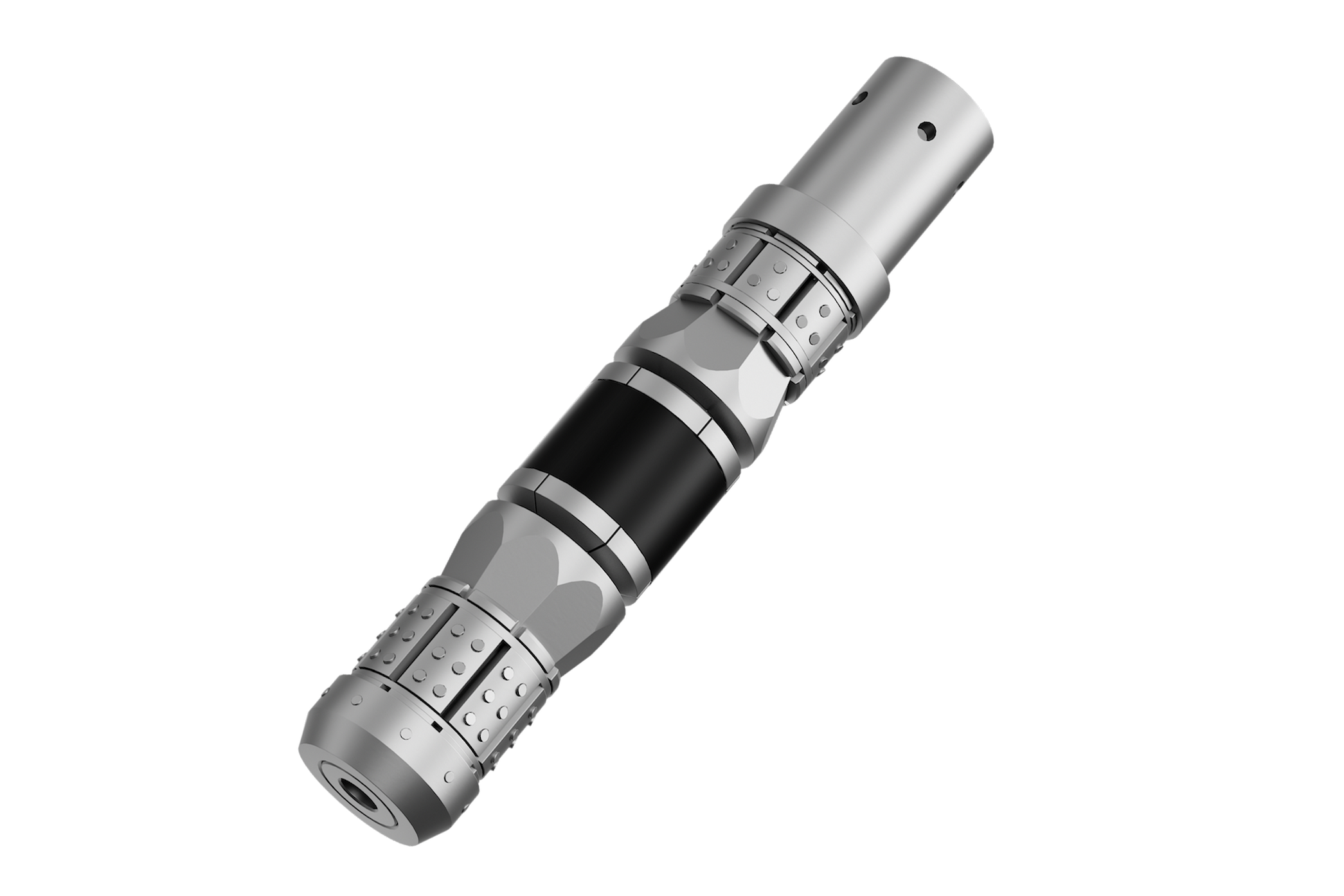
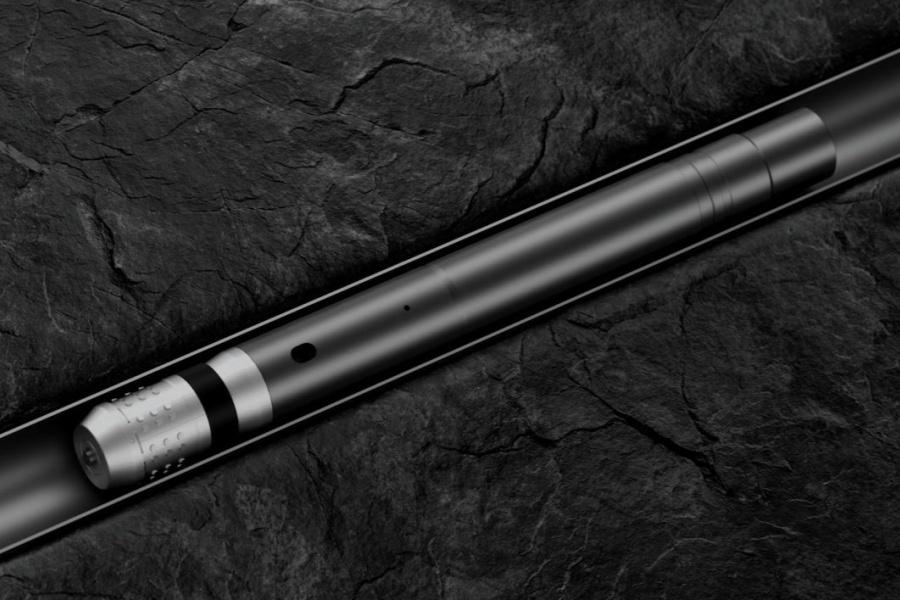
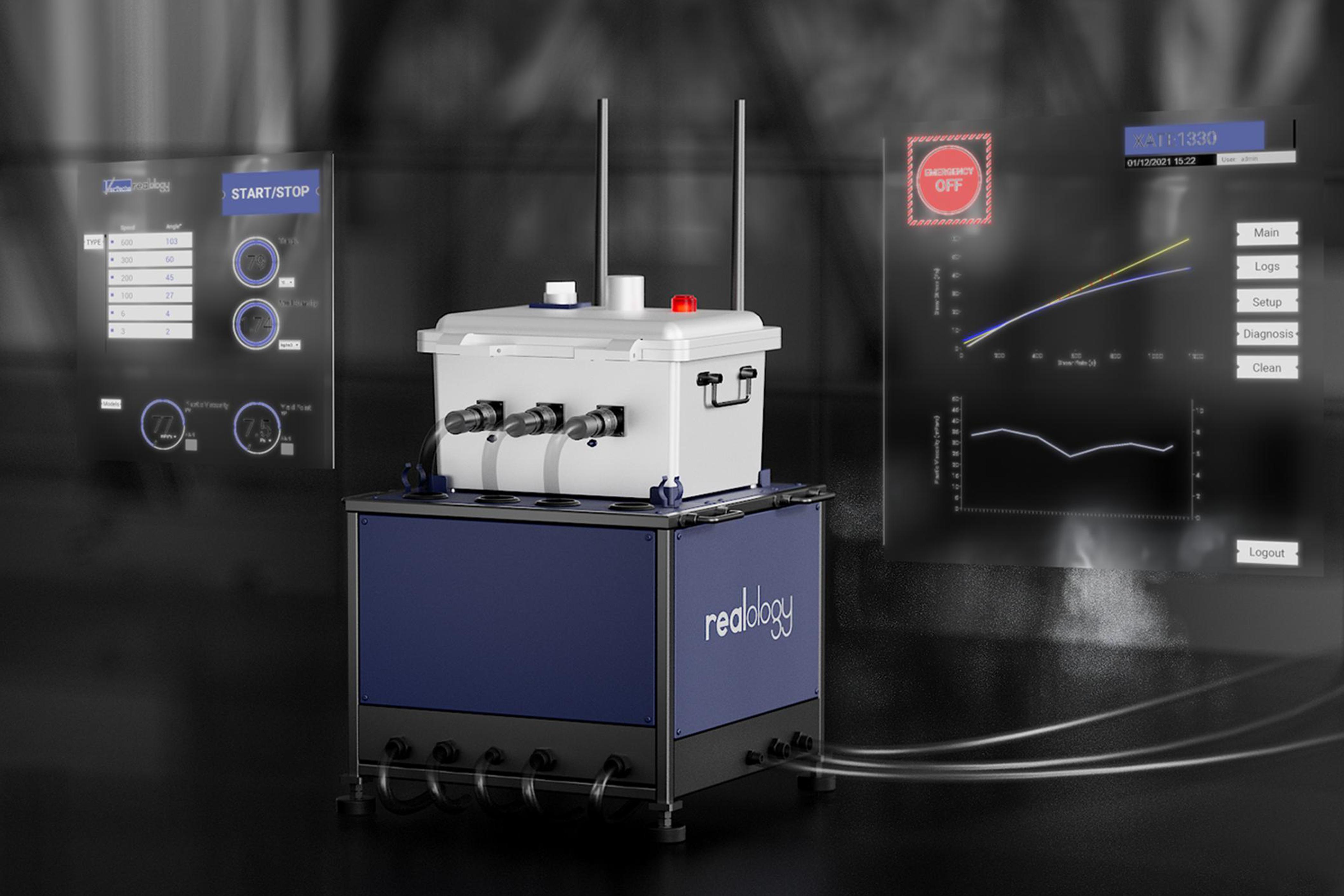
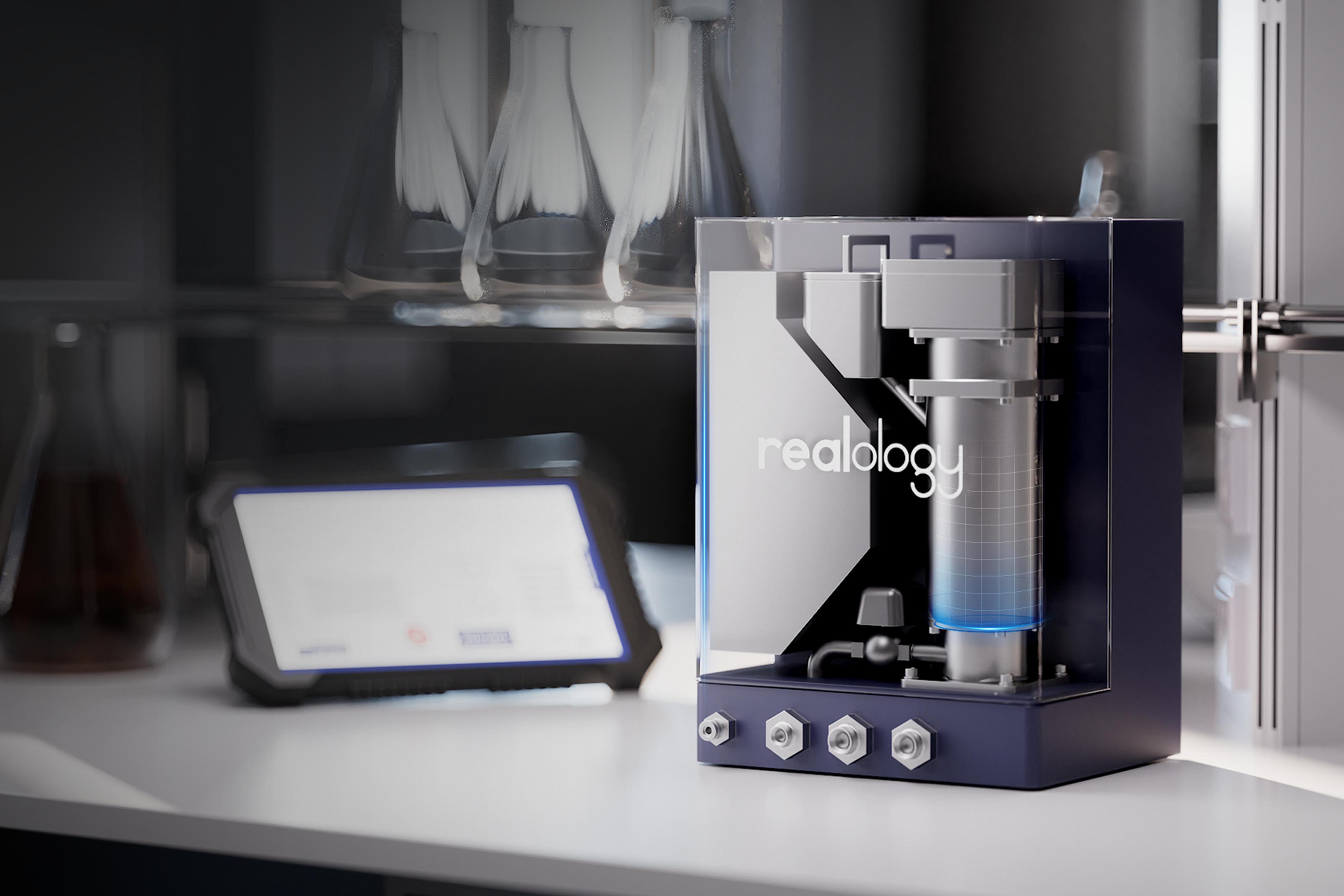
One example is their RWSS Real-Time Wellbore Strengthening Solution, designed to address wellbore instability even before the cement sets. By forming a low-permeability film at the drilling fluid–rock interface, RWSS helps prevent fluid invasion into the formation, thereby minimizing risks like lost circulation or washouts during both drilling and cementing. Real-time monitoring with tools such as the HPIT High-Pressure Invasion Tester gives engineers immediate feedback on how fluids are interacting with the rock — enabling on-the-fly adjustments to drilling fluid composition or cement slurry design.
This integration matters because cementing, while essential, doesn’t exist in a vacuum. If drilling fluid leaves behind a problematic filter cake, or if the wellbore isn’t properly stabilized, the cement slurry may not bond effectively — leading to channels, micro-annuli, or poor zonal isolation. By knitting together drilling fluid engineering and cementing operations, Vertechs ensures that each well is addressed as a unified system, rather than segregated phases.
In practical terms, this means that clients benefit not only from improved well integrity and reduced risk of leaks or casing failure, but also from smoother operations — fewer non-productive drilling days (NPT), faster turnarounds, and ultimately lower operational costs. According to Vertechs, their drilling fluid technology enhances cooling, lubrication, and wellbore stability, while reducing friction and extending equipment life. On top of that, their emphasis on environmentally compatible, compliant fluid systems reflects a growing industry expectation for responsible resource development.
Thus, when we think of “drilling fluid,” it is no longer just mud. It is a carefully formulated, actively managed medium — a first line of defense in maintaining wellbore stability, enabling efficient drilling, and paving the way for effective cementing. And when we think of “cementing,” we must no longer picture a simple pour-and-wait operation, but a sophisticated process combining cementing chemicals, precise equipment, and real-time feedback.
By combining these disciplines — drilling fluid engineering, cementing additives and chemicals, cementing equipment, and real-time monitoring — Vertechs is redefining what it means to be a cementing company in the modern era. In doing so, they exemplify a shift in the oil and gas industry: from static, discrete steps to dynamic, integrated well-construction solutions — where every material, every chemical, every pump and sensor works together toward a single goal: a stable, productive, safe well. To learn more about how Vertechs can support your energy technology needs, please contact us or email us at engineering@vertechs.com.
Read Our One More Blog(1): Big Data in Oil and Gas: How Analytics Is Transforming Exploration and Production
Read Our One More Blog(2): Benefit from Big Data Analytics in the Oil and Gas Industry