-
Home
-
Products & Services
-
Dissolvable Plugs
 Fast Drill Plugs
Integrated Completion Systems
Dissolvable Cement Retainer
Fast Drill Plugs
Integrated Completion Systems
Dissolvable Cement Retainer
-
Intelligent MPD Manifolds
Intelligent Rotating Control Device
Intelligent All-Electric WBP MPD System
Intelligent Valve Retrofit
-
Intelligent Fluids Monitoring
Real-Time Wellbore Monitoring & Strengthening
Intelligent Drilling Fluids Management
Unconventional Completion & Dissolvable Technology
Featured HighlightsIntelligent Pressure Control Technology
Featured HighlightsIntelligent Fluids Monitoring Technology
Featured Highlights -
-
Vertechs Share
-
News
-
QHSE
-
About Us
-
Contact Us

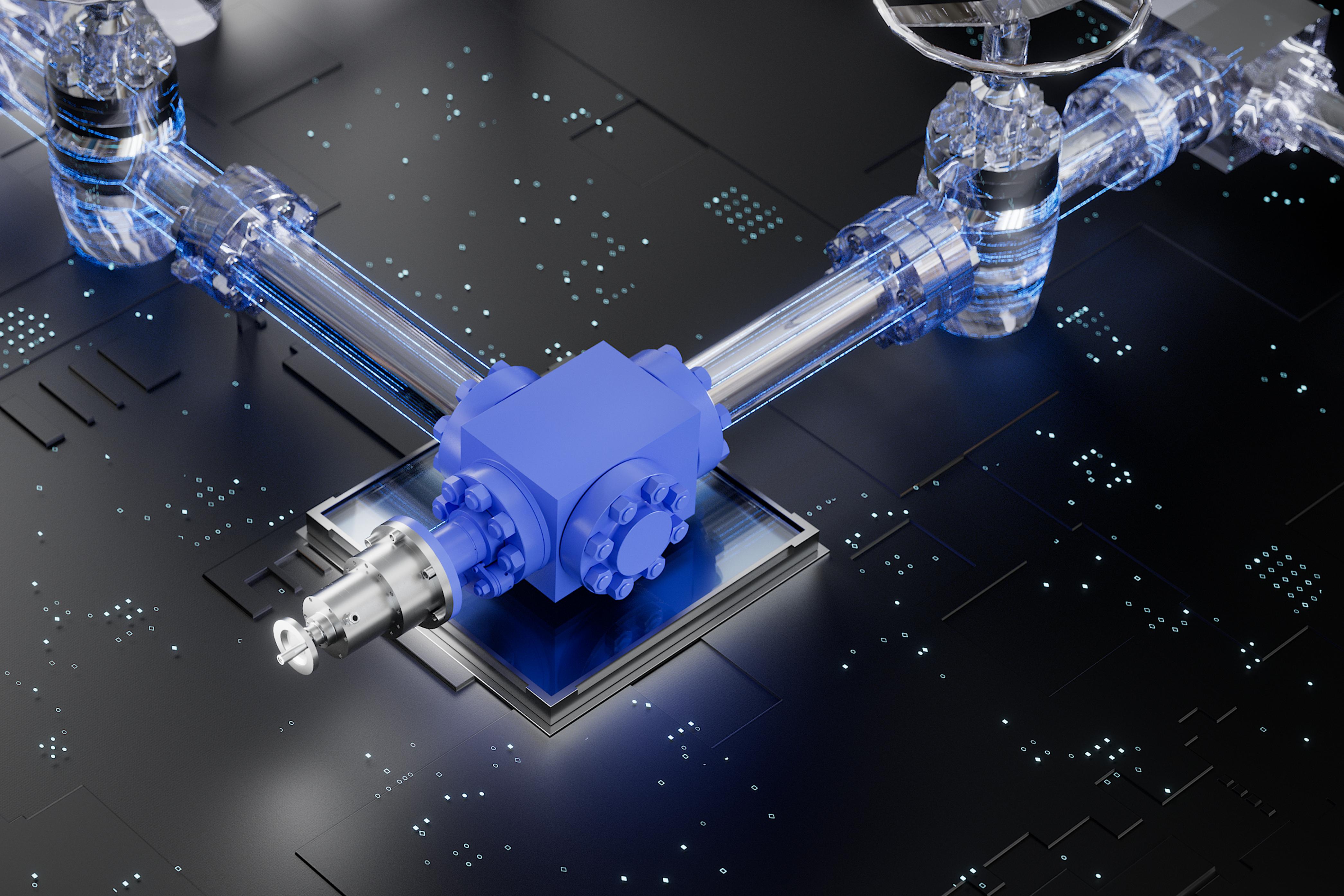
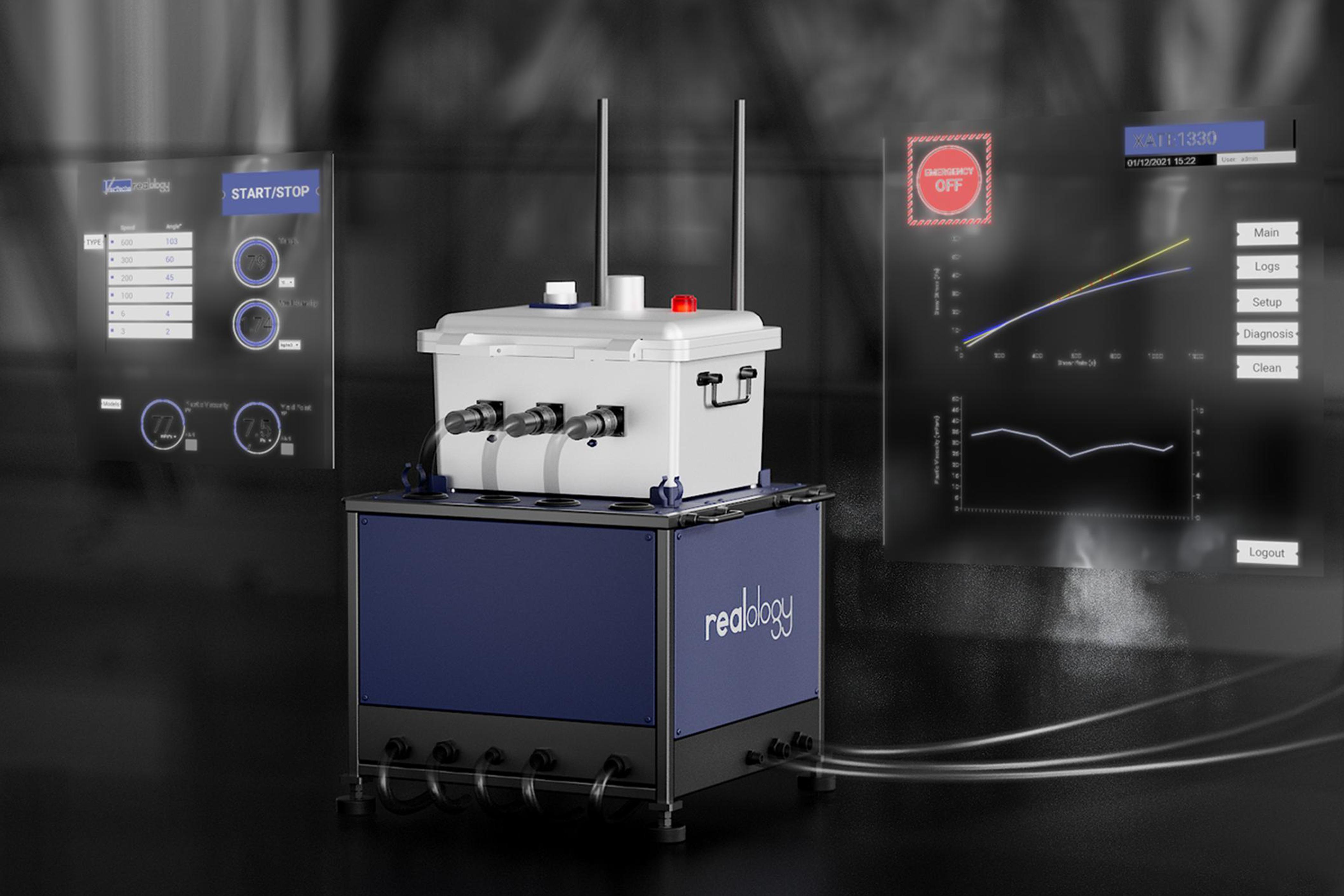
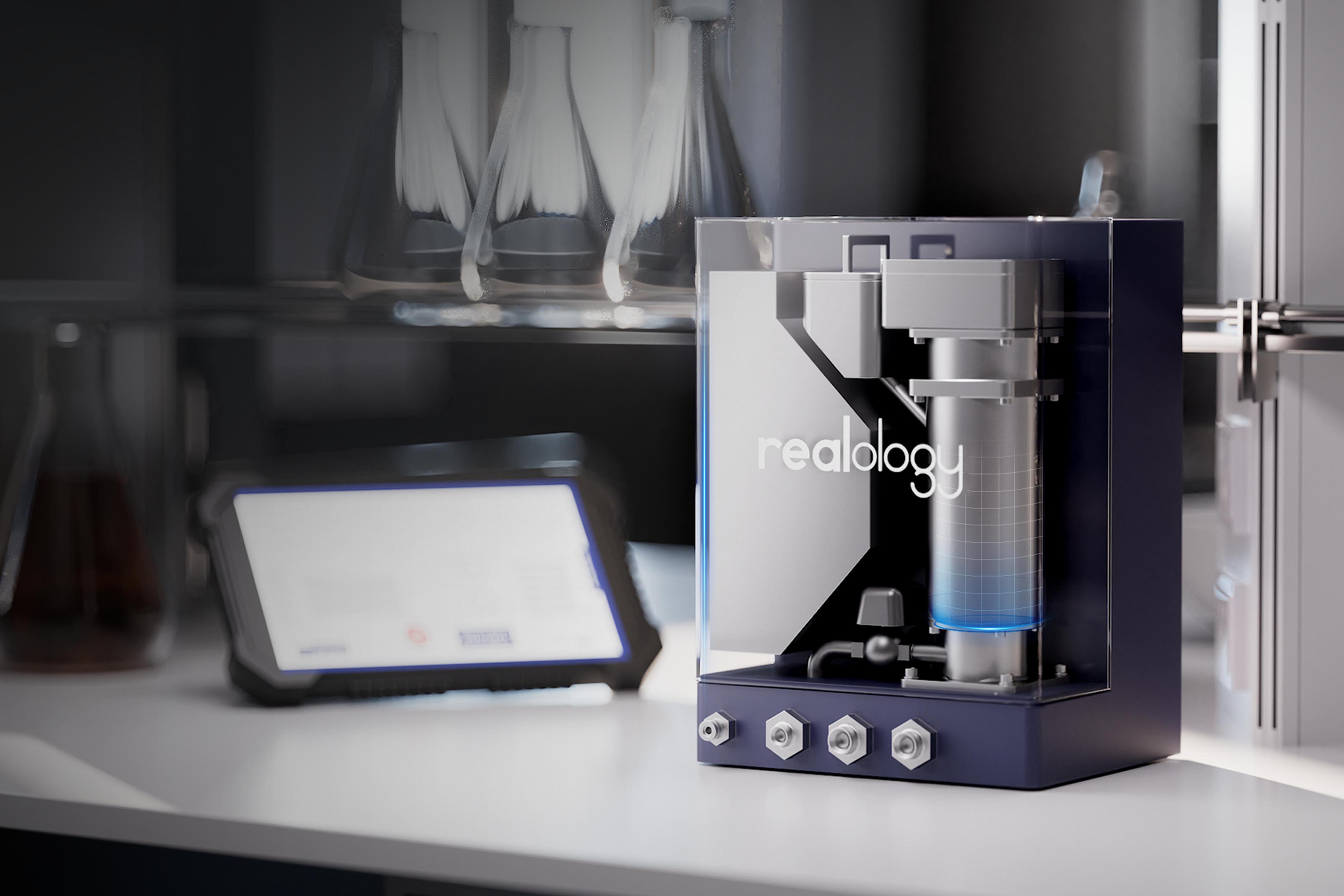
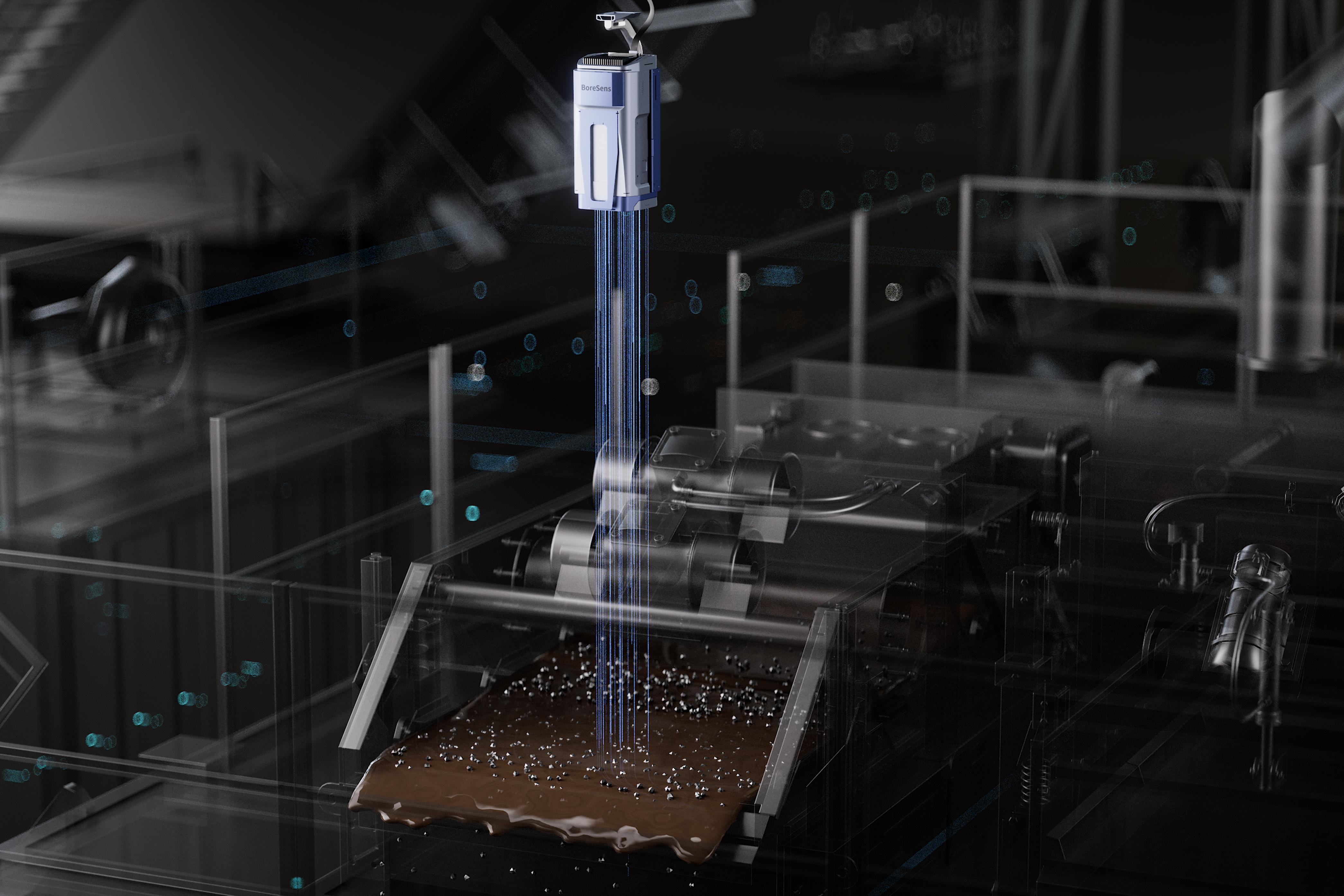





Benefit from Big Data Analytics in the Oil and Gas Industry
2026-01-15

The 2026 energy environment in the world can be characterized by a complicated overlap of unstable market needs, strict environmental standards, and the need to be extremely precise in operations. The oil and gas industry in this setting has switched from a resource-driven industry to one that is highly data-driven. The analytics provided by Big Data in oil and gas has become the primary pillar of the change, which promises an evident way to a higher level of efficiency, safety, and profitability. The companies can now make decisions more than ever because of harvesting and analyzing the enormous amounts of information created during seismic surveys, drilling sensors, and production logs.
Reinventing Exploration and Reservoir Management
Among the most important benefits of Big Data in oil and gas, there is the fact that it helps to hone the exploration process. Historically, the process of conducting viable drilling sites was characterized by a high level of uncertainty and risk of financial loss. Modern analytics systems are now capable of running multi-dimensional seismic data to generate 3D models of the underground that are both accurate and precise. These models enable geologists to see the rock structures and the hydrocarbon reserves in a clear picture that they could not see before. Using historical data of the drilling and combining it with the real-time geological data, the company will be able to identify the most promising areas that will be used, and thus drill several times less often and be able to use the capital used more efficiently.
Improving the Precision and Efficiency of Drilling
One of the most capital-intensive parts of the industry is the drilling of oil, and any few hours of downtime can cost millions of dollars in revenue. Big Data analytics optimizes the drilling process with parameters like drilling rate, temperature of the drill bit, and pressures of the mud monitored in real time. The machine learning algorithms analyze this stream of data to recommend instant changes, so that drilling does not go out of the middle ground, the so-called sweet spot, of the formation. This is a proactive measure that can reduce non-productive time and avoid disastrous failures such as wellbore collapse or blowout by observing the warning signs before the failure develops into an emergency.
Developing Asset Integrity and Predictive Maintenance
Among the most pronounced advantages of Big Data in oil and gas operations is likely to be the transition from reactive to predictive maintenance. Refineries, pipelines, and offshore platforms are now outfitted with thousands of IoT sensors used to measure vibration, heat, and corrosion. Rather than waiting until a component breaks down or maintaining it on a scheduled basis, analytics engines can tell when a component is likely to become worn out. This data-based approach prelengthens the experience of purchasing costly equipment, decreases the necessity to repair the equipment on an emergency basis, and makes sure that the maintenance workers are placed in the work only when and where they are really required.
Efficiency of Supply Chain Logistics and Operations
It is overwhelming that the logistics of moving equipment to remote areas and transporting oil and gas across continents are involved. The analytics of the Big Data supply chain can give a complete picture of the supply chain and coordinate the vendors, transport fleets, and warehouses. With the help of weather data, traffic statistics, and inventory, companies can maximize routes and delivery time in order to reduce delays and fuel use. This kind of transparency also enhances better management of the vendors, since the operators can look at the performance data to identify the best partners and enter into better contracts in accordance with the real delivery metrics.
Enhancing HSE and Environmental Sustainability
As of 2026, environmental and safety compliance will not be optional; it will be a compulsory requirement for the license to operate. Big Data is essential in the system of tracking emissions and detecting methane leakage in thousands of miles of the pipeline. The environmental impact can be tracked in real-time by sensors and satellite information, thus giving the companies the opportunity to react promptly to any irregularities. Moreover, wearable gadgets and surveillance of the workplace can improve the security of the employees. Through the study of trends in near-misses and the surrounding situation, the safety managers would be in a position to determine the high-risk areas and put preventive mechanismsin place to make sure that each worker goes home safe.
About Vertechs
At Vertechs, we believe in innovating using the leading-edge upstream solutions. Our military has knowledge of advanced well control and specialty drilling fluids make sure that operational excellence is achieved. We give our partners smart technologies to maximize performance and safety. It is by bringing in the power of information that we are able to sail through the mazes of contemporary energy generation with assurance.
Frequently Asked Questions
1. What are the benefits of big data in enhancing the safety of drilling?
It provides real-time sensor tracking and machine learning to identify pressure irregularities and equipment exhaustion to implement proactive measures before errors happen.
2. Will analytics lower the cost of operations?
Yes, firstly, by minimizing the non-productive time through predictive maintenance, and secondly, by minimizing the supply chain costs through minimizing transportation costs and inventory costs.
3. What is the role of IoT in this process?
IoT devices are the sensors of the operation that gather raw information on the temperature, pressure, and vibration to be processed by the analytics software.
4. Is big data useful in environmental compliance?
Absolutely. It allows users to track the emissions in real-time and detect the leakages at an early stage to assist the companies to comply with the strict regulatory standards by 2026 and to achieve ESG objectives.
5. Is big data the privilege of big corporations?
No, scalable cloud-based analytics systems have rendered such sophisticated tools affordable to small and medium-sized energy companies as well.
Read Our One More Blog(1): Revolutionizing Well Completions: The Synergy of Plug and Perf with Advanced Well Packer Systems
Read Our One More Blog(2): Smart Drilling Fluid — How Vertechs Group Is Redefining Efficiency and Safety in Global Energy Operations