-
Home
-
Products & Services
-
Dissolvable Plugs
 Fast Drill Plugs
-
Intelligent Rotating Control Device
Intelligent Well Control
-
Intelligent Fluids Monitoring
Real-Time Wellbore Monitoring & Strengthening
Unconventional Completion & Dissolvable Technology
Featured HighlightsIntelligent Pressure Control Technology
Featured HighlightsIntelligent Fluids Monitoring Technology
Featured Highlights -
-
Vertechs Share
-
News
-
QHSE
-
About Us
-
Contact Us



Enhancing Drilling Fluid Performance: Vertechs' REALology® Monitoring System
2026-05-13
Ask any drilling engineer what keeps them up at night during a demanding well program, and there's a decent chance the answer circles back to drilling fluid. Not because the concept is complicated — every engineer understands what a drilling fluid system is supposed to do — but because the gap between what a fluid is doing at the surface and what it's actually doing several thousand meters downhole has always been frustratingly wide. That gap is where problems are born, where well control incidents quietly build, and where non-productive time accumulates in ways that erode the economics of even well-planned drilling programs.
For decades, managing drilling fluid properties meant relying on a fluid engineer with a Marsh funnel, a mud balance, and a set of rotary viscometers. Skilled people, no question. But manual testing is inherently intermittent, and when conditions downhole are changing fast, there's a real cost to not knowing what your fluid is doing right now. That's the problem Vertechs set out to solve with the REALology Intelligent Drilling Fluids Monitoring System — and the solution they've built touches nearly every aspect of how drilling fluid services are delivered and managed on modern wells.
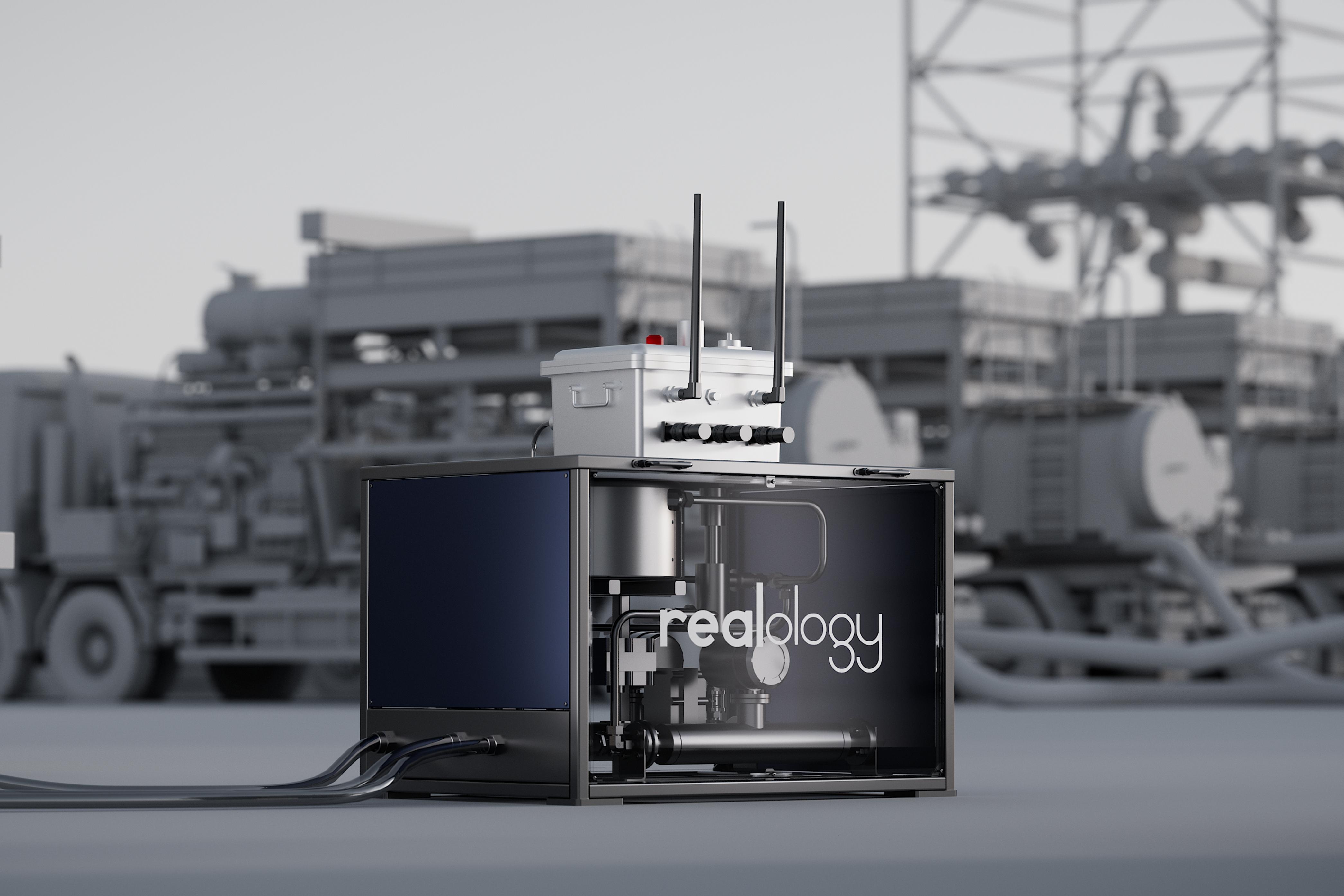
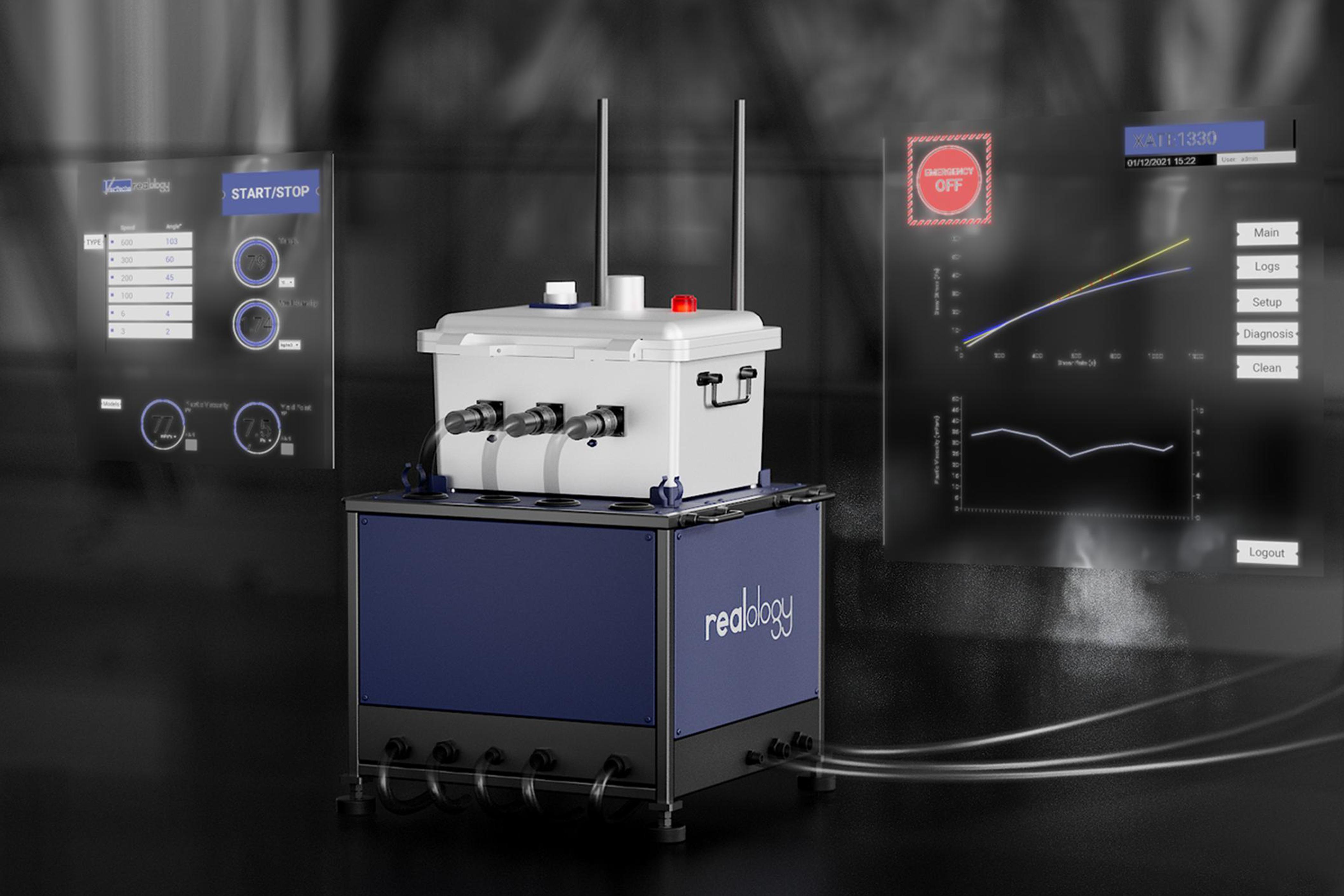
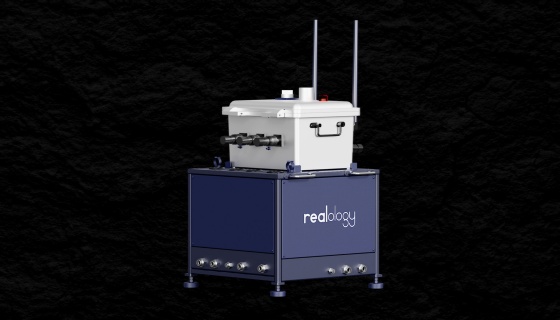
The REALology DR system is an API-compliant, automated platform that provides continuous, real-time insight into drilling fluid properties including density, rheology, pH, chlorides, and temperature. Unlike a traditional mud check that generates a snapshot every few hours, REALology operates around the clock without manual intervention, feeding a live data stream that engineers can interrogate remotely via 5G and IoT connectivity. The second-generation system, now in field deployment, takes that foundation further by integrating a data analysis and control suite capable of modeling downhole conditions, flagging well control risks, and generating fluid adjustment recommendations before small deviations become serious problems.
What makes this particularly meaningful for drilling fluid solutions design is that the system is compatible with both water-based and oil-based drilling fluid systems. This is not a trivial distinction. WBM and OBM behave very differently under downhole conditions — their rheological responses to temperature changes, their susceptibility to contamination, and their filtration characteristics are all distinct — and any monitoring platform that claims to support comprehensive drilling fluid services has to handle both with equal fidelity. REALology measures across the full range of rheological parameters: apparent viscosity, plastic viscosity, yield point, gel strengths, and the n and K values that define power-law behavior. For the Pro Max version, emulsion breaking voltage and resistivity are added, which are critical parameters when running oil-based drilling fluid systems where emulsion stability directly governs wellbore protection.
The accuracy question tends to come up early in conversations with drilling teams evaluating automated monitoring solutions, because no one wants to replace a known process with a black box they don't trust. Vertechs addressed this directly by running comparative studies between REALology and manual test data collected by experienced drilling fluid engineers on the same wells. The deviation between the automated and manual results came in below 3%, which is a result that would be considered acceptable even by skeptical engineers accustomed to relying on their own hands and instruments. This kind of validation matters because it shifts the conversation from whether to trust the system to how best to use it.
The practical implications of continuous drilling fluid monitoring show up most clearly in challenging well environments. In a deepwater case study Vertechs has published, the platform was deployed on a Chinese operator's exploration wells in the South China Sea — three wells drilled to approximately 5,000 meters with both water-based and oil-based drilling fluid systems in use across different well sections. Space on offshore drilling platforms is always tight, and REALology's modular design, with maximum module dimensions of 0.6 × 0.6 × 0.8 meters, allowed two units to be positioned at both the inlet and outlet of the circulation system within the roughly two square meters available. Over 118 operating days, the system maintained reliable performance across all three wells, providing the kind of uninterrupted data continuity that manual testing simply cannot match.
What the platform captured in those deepwater wells was exactly the kind of information that drilling fluid solutions engineers need most in high-stakes environments. Real-time density and viscosity data at the outlet allowed the team to detect early signs of influx and fluid loss conditions before they escalated, giving the well control team time to respond proactively rather than reactively. The downhole condition modelling feature, which uses surface measurements to simulate what the drilling fluid system is experiencing at depth, provided actionable intelligence that wasn't previously available without dedicated downhole sensors. For fluid loss and reservoir protection — both identified as primary challenges on those wells — having that intelligence in real time rather than hours after the fact changes the quality of decisions being made on the drill floor.
There's also a labor dimension that doesn't always make it into the technical papers but matters enormously in practice. Drilling fluid services teams on offshore platforms work in demanding conditions — high temperatures, high humidity, confined spaces, rotating shift schedules — and the cognitive load of managing manual fluid testing while simultaneously handling the operational demands of a live well can lead to errors or delays that a 24/7 automated system simply doesn't experience. REALology's unmanned monitoring capability doesn't replace the drilling fluid engineer; it frees that person to spend their time interpreting data and making decisions rather than collecting it.
The modular architecture of the system reflects a broader philosophy in how Vertechs approaches drilling fluid solutions. Rather than locking customers into a single configuration, the platform is built around separable modules — density, rheology, pH/chlorides, funnel viscosity, resistivity — that can be combined according to the specific requirements of a given well program. The Lite version covers essential drilling fluid properties for cost-sensitive applications. The Pro handles comprehensive measurement across all fluid types. The Pro Max adds the full suite of parameters along with integrated data analysis software for operators who want the deepest level of visibility into their drilling fluid system performance. This layered approach means the technology is accessible to operators at different budget points without forcing compromises on the parameters that matter most.
From a broader drilling fluid products perspective, REALology also fills a gap that has persisted in the transition toward digital oilfield operations. Plenty of surface drilling parameters are already measured continuously — weight on bit, rotary torque, pump pressure, flow rate — but drilling fluid properties have lagged behind, still largely dependent on manual measurement cycles that were established in an era when real-time data transmission wasn't feasible. The REALology system brings drilling fluid monitoring into the same digital ecosystem as those other parameters, enabling the kind of integrated operational picture that drilling engineers have been pushing toward for years. The ability to correlate, for example, sudden changes in pit volume with real-time drilling fluid density readings at the outlet — and to have that correlation flagged automatically by the system's risk detection engine — gives drilling teams a level of situational awareness that simply wasn't achievable through conventional drilling fluid services delivery.
Vertechs has already accumulated over 20,000 hours of field performance data across more than 130 wells with the REALology platform, spanning offshore deepwater environments, onshore shale programs, and HTHP applications. That track record is what tends to move conversations from the technical evaluation phase to deployment planning, because in the end, drilling fluid performance is too consequential — too connected to wellbore stability, well control safety, and the economics of the entire drilling program — to be managed with tools that haven't proven themselves in conditions comparable to the ones operators are actually drilling in. Ready to transform your energy operations? Contact us now at engineering@vertechs.com. Let’s innovate together for a smarter energy future.
Read Our One More Blog(1): How Dissolvable Plugs Are Revolutionizing Plug and Perf Operations
Read Our One More Blog(2): Big Data in Oil and Gas: From Drilling Optimization to Predictive Maintenance