-
Home
-
Products & Services
-
Dissolvable Plugs
 Fast Drill Plugs
Integrated Completion Systems
Fast Drill Plugs
Integrated Completion Systems
-
Intelligent Rotating Control Device
Intelligent Well Control
-
Intelligent Fluids Monitoring
Real-Time Wellbore Monitoring & Strengthening
Unconventional Completion & Dissolvable Technology
Featured HighlightsIntelligent Pressure Control Technology
Featured HighlightsIntelligent Fluids Monitoring Technology
Featured Highlights -
-
Vertechs Share
-
News
-
QHSE
-
About Us
-
Contact Us





Big Data in Oil and Gas: From Drilling Optimization to Predictive Maintenance
2026-04-30
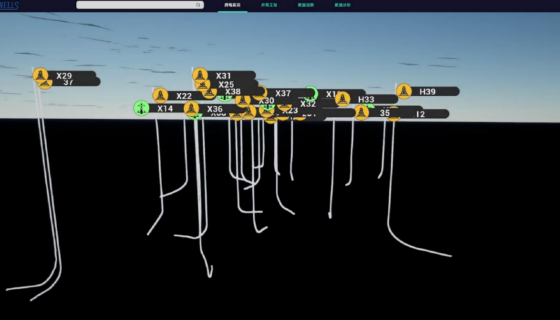
Oil and gas are getting more data-driven than they have ever before. Today, operations produce huge amounts of information from drilling equipment, sensors, and production systems. Companies that manage this data well can perform better. They spend less and make better decisions.
Big Data in Oil and Gas is changing the industry. It helps companies to analyze complex information in real time and to improve operational efficiency. Big data is changing the industry, from optimizing drilling to predictive maintenance.
Why Big Data Matters in Oil and Gas?
The oil and gas sector has a high risk environment. Little mistakes can lead to safety problems. The traditional methods are mainly based on manual monitoring. They can result in delayed decision making. Big Data in Oil and Gas helps this by turning raw data into insights. It allows companies to monitor operations and identify risks. This makes data a main asset for modern power companies.
Applications of Big Data in Oil and Gas
Optimizing the Drilling
Drilling operations produce a lot of data from sensors and equipment. This data helps to make drilling faster, more accurate, and with less downtime. Real time information allows operators to make quick changes. They can find the best drilling settings. This reduces the risks of running a business. It makes it easier to access different resources. This allows companies to save money and work better.
Reservoirs Analysis
If you want to optimize production, you need to know how the reservoirs work. Big data helps you look at production data more closely. This makes it easier to model reservoirs and make decisions. Companies can better predict production trends. This improves extraction strategies with better analysis. Moreover, it becomes easier to manage resources and get more things back.
Predictive Maintenance
When equipment breaks down, it can cause big problems and cost a lot of money. Predictive maintenance uses sensor data to find problems before they get too bad. This method lets businesses plan maintenance ahead of time. It reduces unplanned downtime and makes equipment last longer. One of the best ways to use big data is for predictive maintenance.
Production Monitoring
Big data makes it possible to keep an eye on production systems all the time. Operators can see how well things are going in real time. This also helps them find the problems quickly. It reduces waste and boosts production. Better monitoring also helps operations run more safely.
Supply Chain Optimization
The supply chain for oil and gas is complicated. It is generally present all over the world. Big data is making it easier to plan for the demand. It helps in managing the inventory and running logistics in a better way. Companies are reducing delays and improving coordination by having better visibility. This saves money and makes things smooth.
Challenges in Using Big Data
But there are challenges to the implementation of big data. You need strong infrastructure and skilled people to handle large amounts of information. Data quality and integration can also be challenging. Another concern is cybersecurity. To solve these problems, companies are investing in better systems. This will ensure proper data management practices.
Future of Big Data in the Energy Sector
The future for big data in oil and gas is great. Data analysis is becoming more powerful with technologies like Artificial Intelligence. They can contribute to better forecasting and automate decision-making. Big Data will continue to grow in the oil and gas industry as digital transformation continues. Companies that will adapt these technologies will be better positioned for long term growth.
Why Should Companies Invest in Big Data Solutions?
Big data is no longer an option for the energy sector. It's becoming a strategic necessity. Data driven operations increase competition. They help companies adapt to changing market demands. Sustainability goals are also supported by today’s solutions. Better information can reduce waste and make us more efficient in using resources. This is what makes big data valuable for the environment.
Final Thoughts
Big Data in oil and gas is transforming the industry. It enhances overall efficiency and improves drilling optimization. Companies can use data to reduce costs. Moreover, it will also improve data safety and help in making better decisions. As technology improves, the importance of big data will only grow higher.
FAQs
Q. What is predictive maintenance in oil and gas?
A. It uses data and analytics to detect equipment problems early. This prevents unplanned failures.
Q. What is Big Data for Oil and Gas?
A. Big data and analytics are used to improve operations in the Oil and Gas industry. They make better decision making.
Q. How does Big Data contribute to drill optimization?
A. Big Data works in real time. This enhances the drilling performance and reduces the operational risks.
Q. What are the problems with big data in oil and gas?
A. Challenges include data management and a need for skilled workers.
Read Our One More Blog(1): The Benefits of Managed Pressure Drilling for Drilling Operations
Read Our One More Blog(2): Overcoming Wellbore Restrictions in Plug and Perf Stimulation with Vertechs' Phantom Fast Drill Plug