-
Home
-
Products & Services
-
Dissolvable Plugs
 Fast Drill Plugs
Integrated Completion Systems
Fast Drill Plugs
Integrated Completion Systems
-
Intelligent Rotating Control Device
Intelligent Well Control
-
Intelligent Fluids Monitoring
Real-Time Wellbore Monitoring & Strengthening
Unconventional Completion & Dissolvable Technology
Featured HighlightsIntelligent Pressure Control Technology
Featured HighlightsIntelligent Fluids Monitoring Technology
Featured Highlights -
-
Vertechs Share
-
News
-
QHSE
-
About Us
-
Contact Us
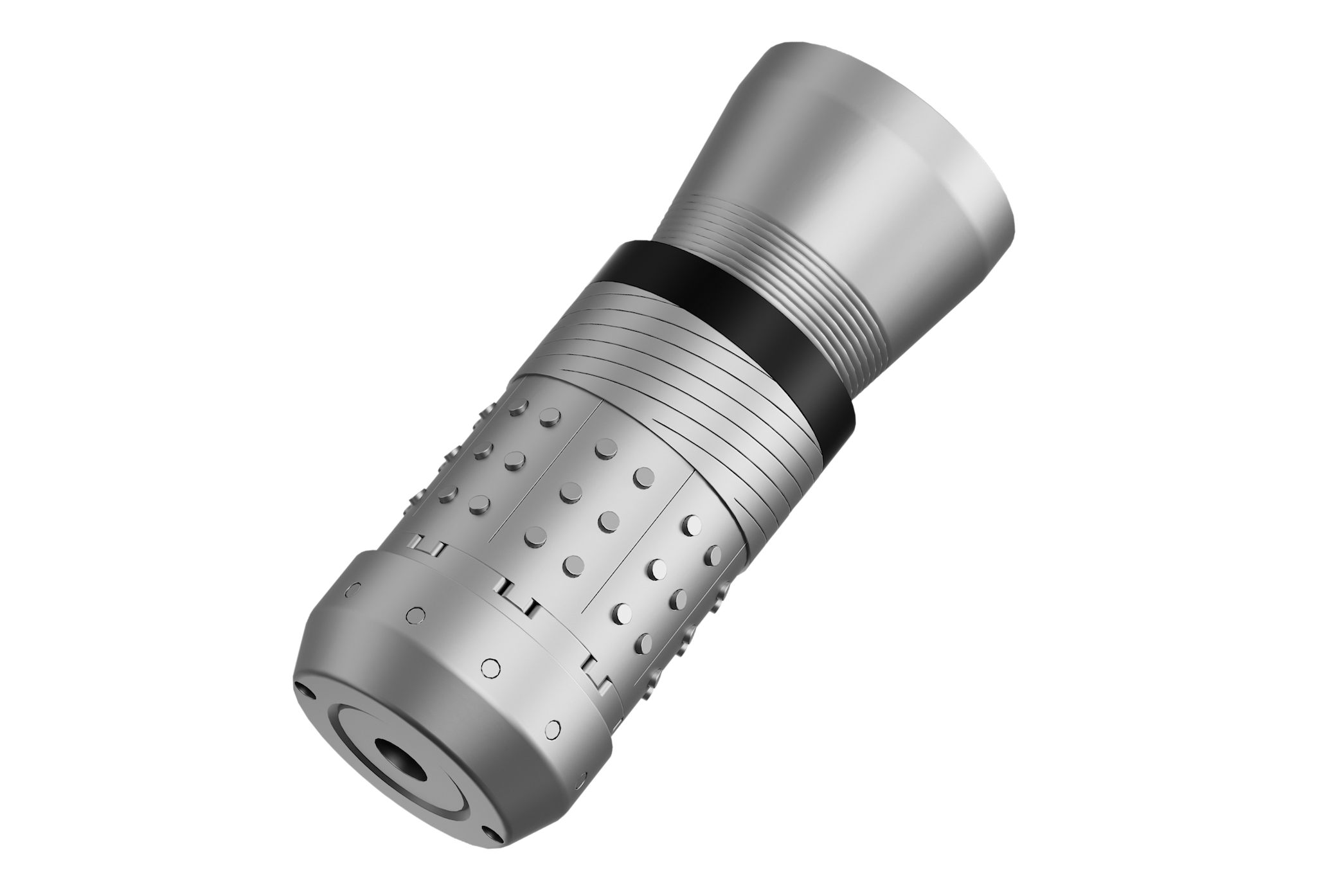
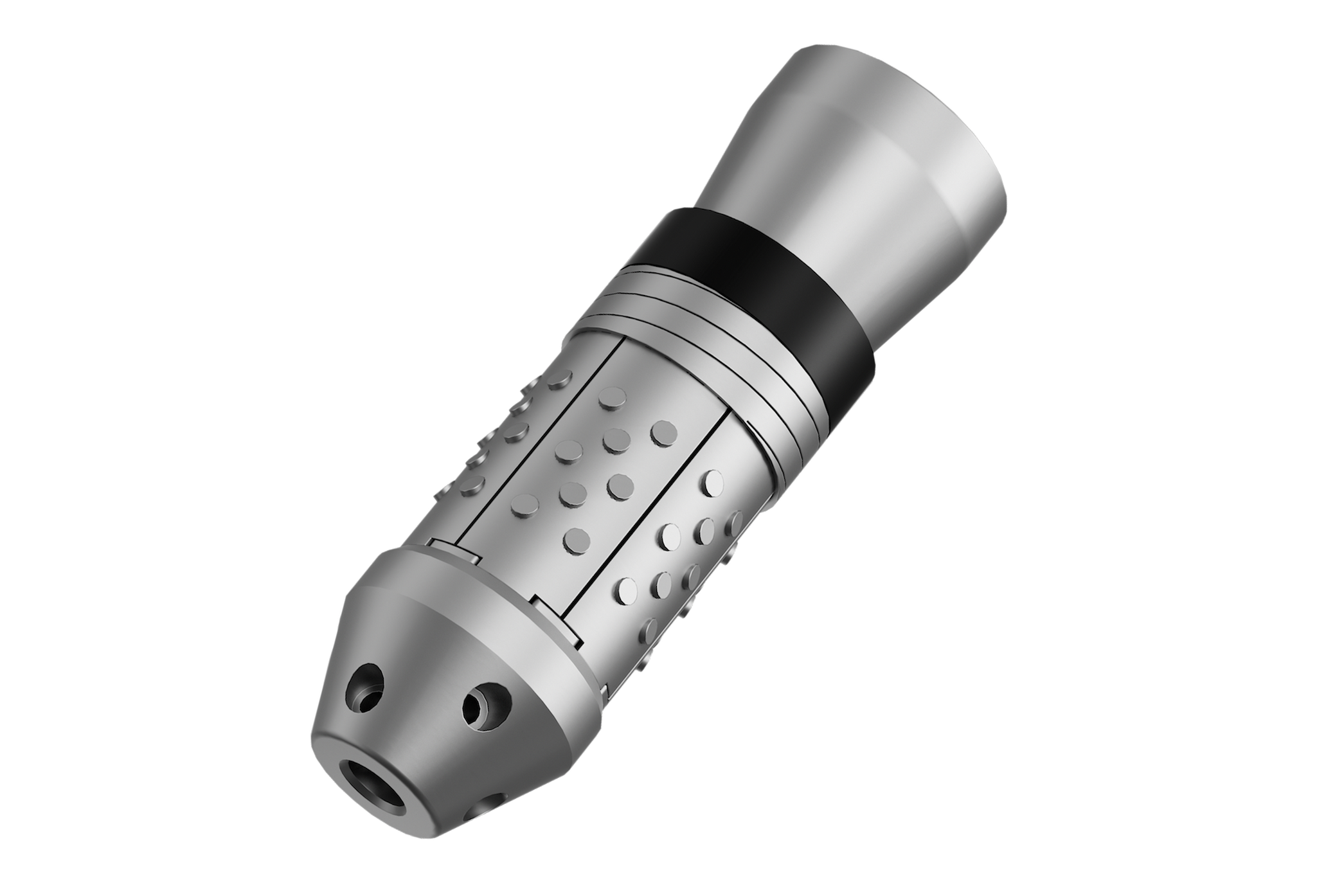
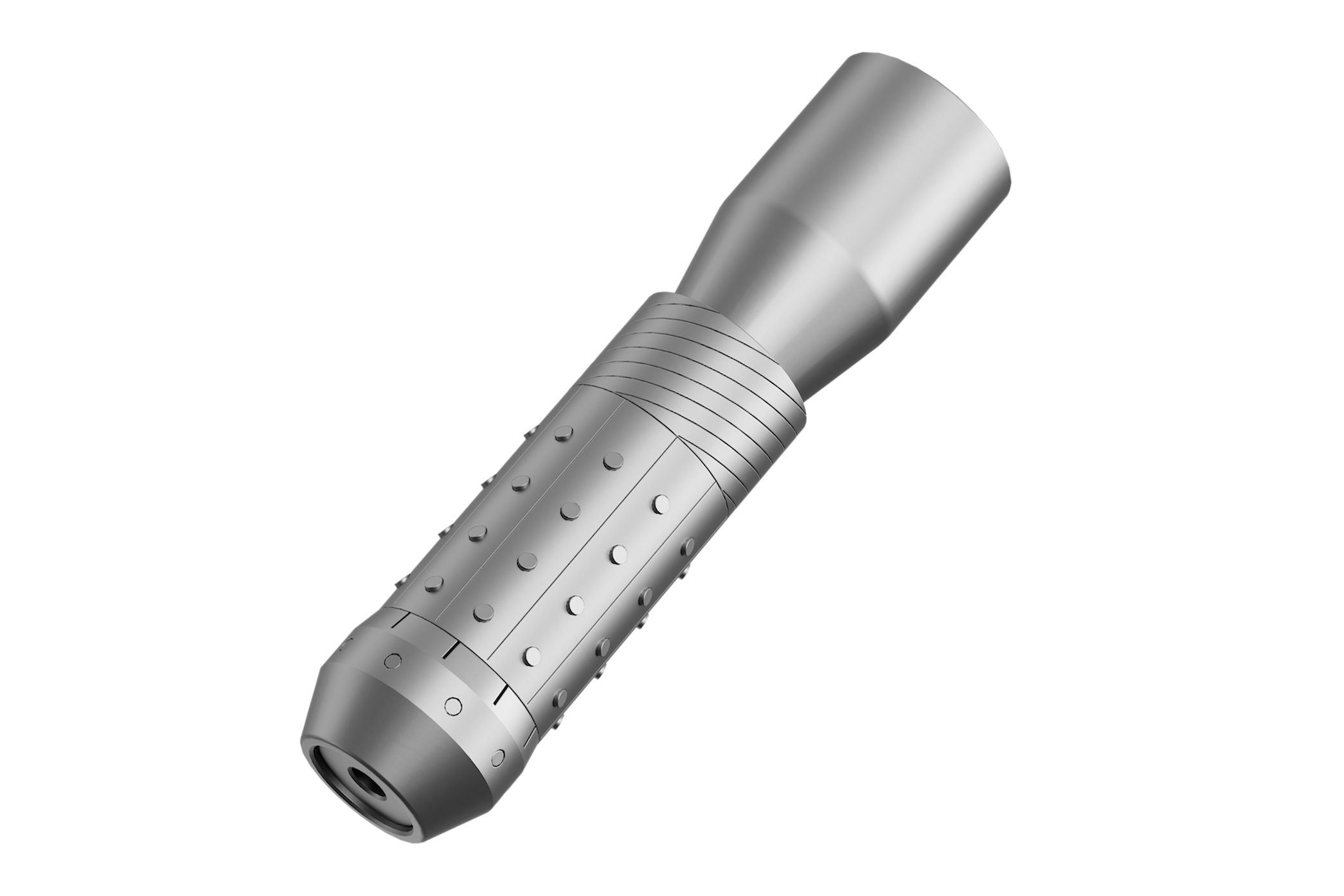
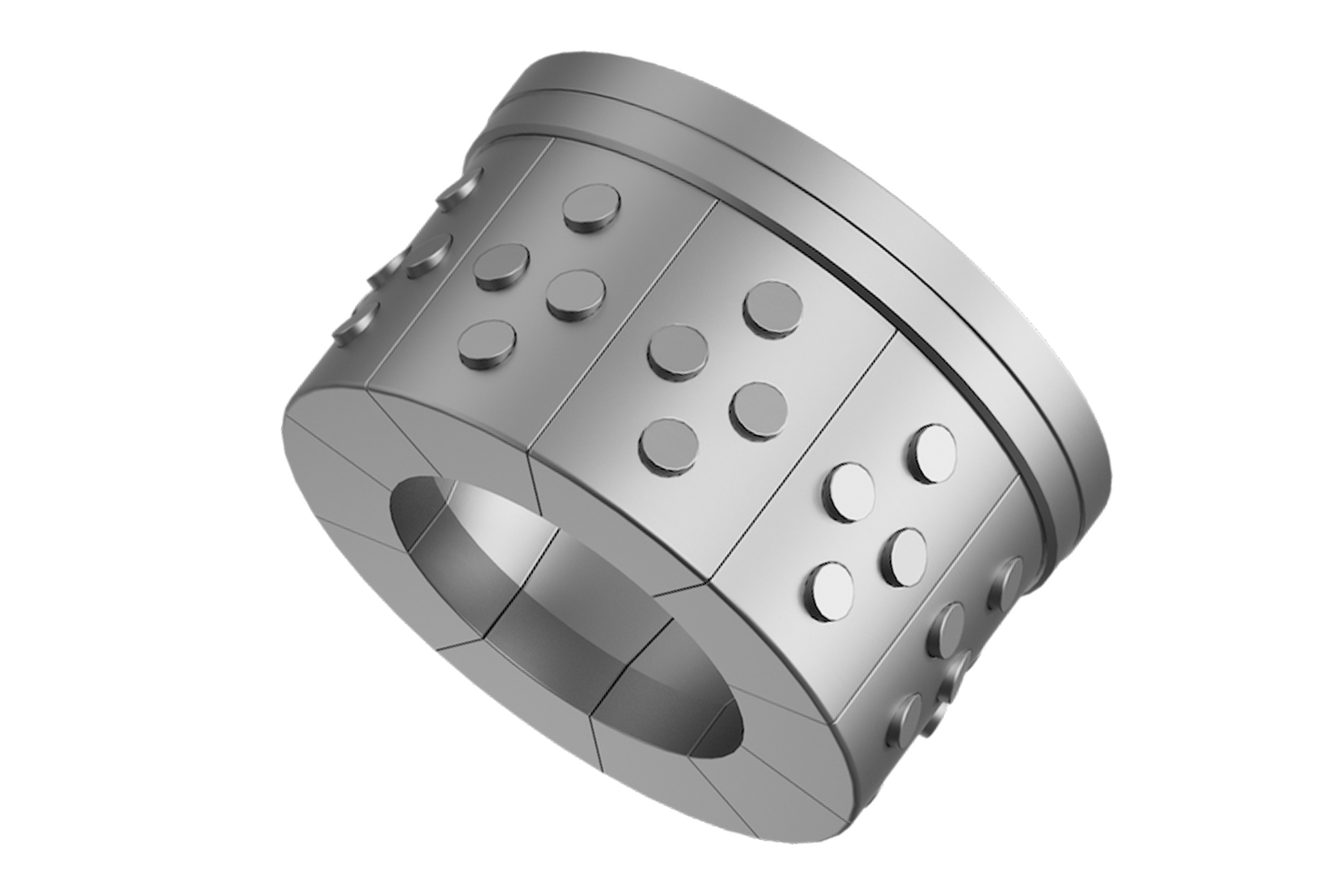




Overcoming Wellbore Restrictions in Plug and Perf Stimulation with Vertechs' Phantom Fast Drill Plug
2026-04-24
Anyone who has spent time on a completion crew knows that plug and perf looks straightforward on paper. You run a plug downhole, set it, perforate the target interval, pump the frac treatment, then move up hole and repeat. Stage by stage, you work your way from the toe to the heel of the lateral. Simple enough — until the wellbore decides otherwise.
Restrictions are one of those problems that tend to get underestimated in the planning phase and overestimated in the war story phase afterward. Casing deformation, scale buildup, tight couplings, or simply out-of-round geometry — any of these can turn a routine plug deployment into a multi-hour delay or a complete plug loss. And in unconventional oil and gas fields where a single well might have 30, 40, or even 50 fracturing stages, one problematic zone can cascade into a scheduling and cost disaster. That's the context in which Vertechs developed the Phantom Fast Drill Plug, a tool designed not merely to tolerate restrictive wellbores but to move through them confidently and perform reliably once set.
What makes wellbore restrictions such a persistent headache in plug and perf operations specifically is the combination of tight tolerances and the mechanical forces involved. A frac plug has to be compact enough to pass through any narrows in the casing string, yet robust enough to hold differential pressure ratings that in today's HTHP completions can reach 15,000 psi or higher. For operators working in challenging formations across the Middle East, shale basins in China, or deepwater environments, that tension between slimness and strength has historically forced engineers into uncomfortable compromises — either running a plug that barely clears the restriction and risks a pre-set event, or abandoning the stage entirely and leaving reserves on the table.
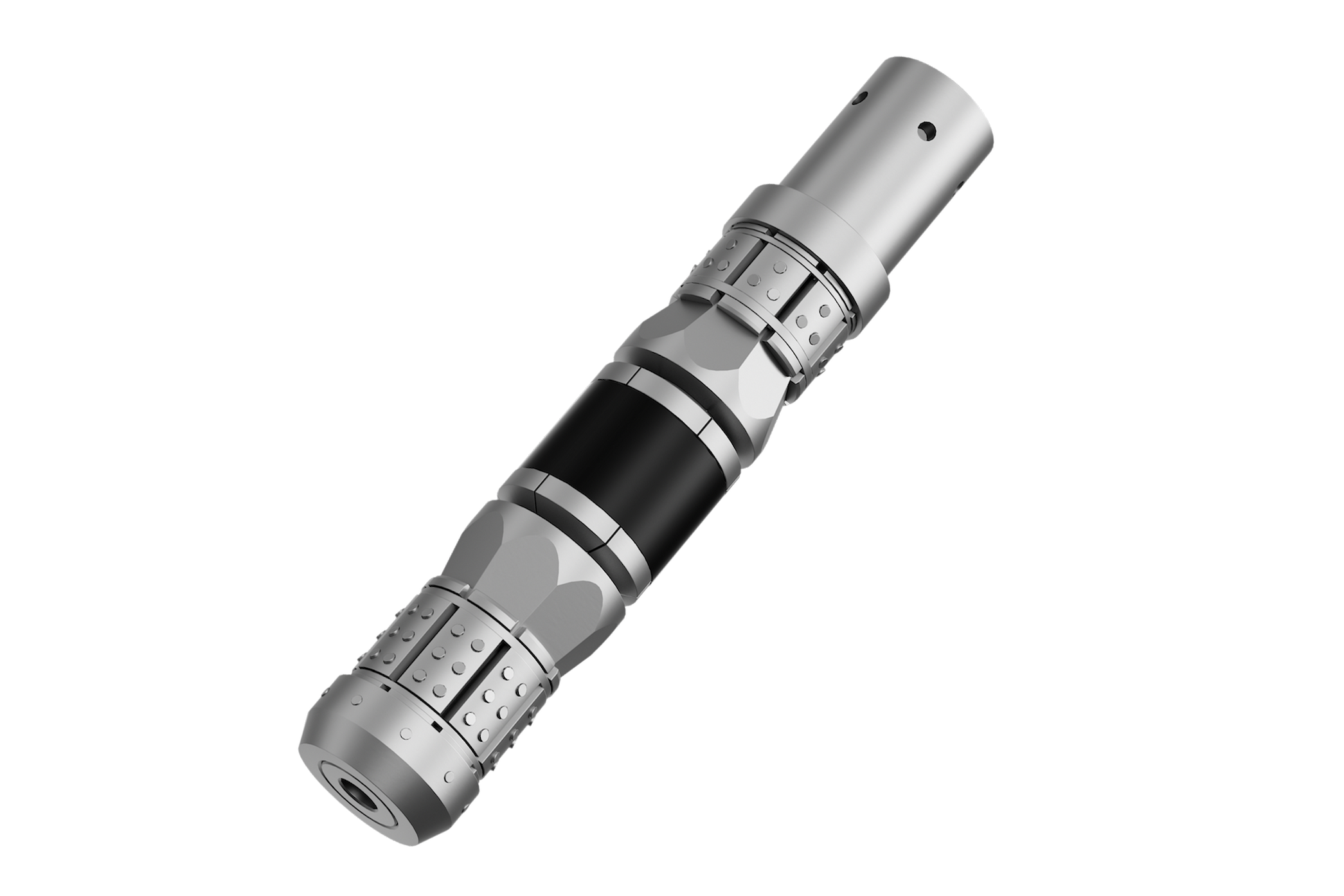
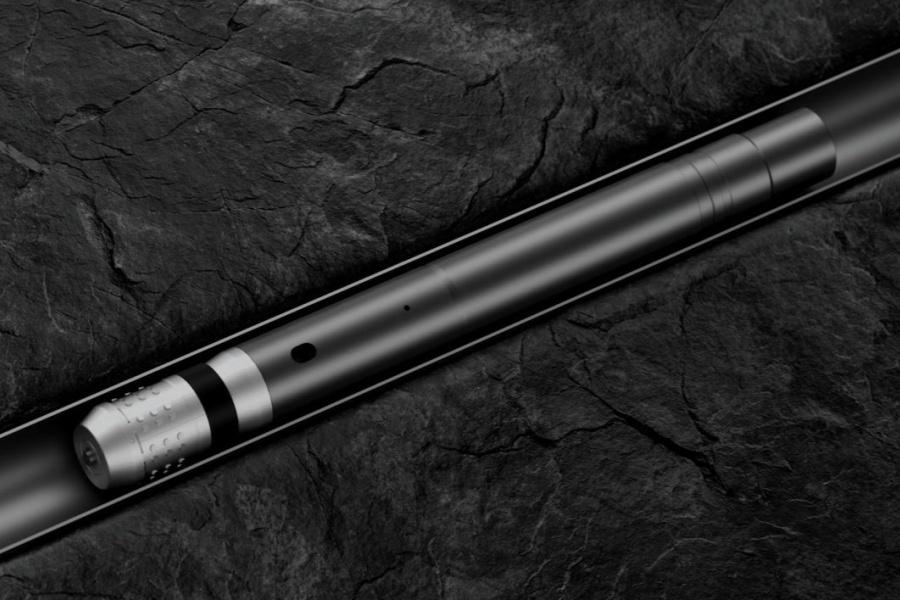
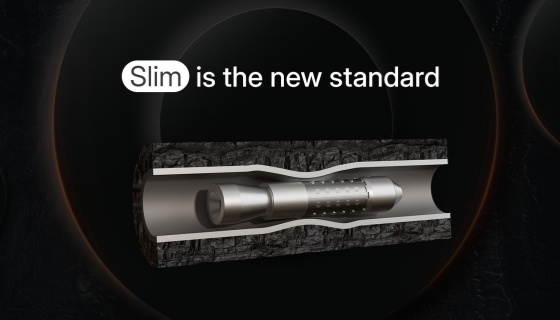
Vertechs engineers approached this problem by rethinking the material architecture of the plug rather than simply scaling down an existing design. The Phantom Fast Drill Plug applies ultra-light, drillable composite materials throughout its construction, which achieves two things simultaneously. It reduces the outer profile enough to navigate tight casing geometries without sacrificing the structural integrity needed to withstand aggressive frac treatments. And because the materials are genuinely drillable — not just labeled as such — coiled tubing operations during the mill-out phase become faster, more predictable, and less punishing on the milling BHA. In real-world coiled tubing services, that translates directly into fewer trips, shorter on-bottom drilling time, and lower overall cost per stage.
The dual-slip mechanism at the heart of the Phantom is worth understanding in some detail. Traditional single-slip designs anchor a plug primarily in one direction, which works adequately in textbook conditions but can allow movement when pressure cycling or thermal changes stress the assembly over the life of a multi-stage frac. The Phantom's dual-slip configuration grips the casing from both directions, providing bidirectional pressure containment that holds regardless of whether pressure is applied from above or below. For plug and perf programs in wells with complex pressure regimes — particularly those involving high wellhead pressures that approach the 11,600 psi range documented in Vertechs' Sichuan shale gas field cases — this kind of mechanical security isn't a nice-to-have. It's a prerequisite.
Temperature ratings matter too, especially as coiled tubing oil and gas operations push into increasingly aggressive reservoir environments. The Phantom carries a temperature rating of up to 302°F (150°C), placing it firmly in HTHP territory and making it viable for the kinds of deep, hot, high-pressure wells that are becoming more common as operators exhaust easier targets. Where earlier generations of composite plugs sometimes softened or lost sealing integrity at elevated temperatures, the Phantom's material selection accounts for this explicitly, maintaining dimensional stability and elastomeric performance across the rated range.
One thing experienced completions engineers will immediately notice about the Phantom's design is its setting tool compatibility. The plug is compatible with Baker setting tools, which means operators running established coiled tubing equipment don't face the expense or logistics of re-tooling their surface and downhole assets. Coiled tubing equipment compatibility matters more than it might seem at first glance. When you're already mobilized, already rigged up, and already running a coiled tubing operation on a tight schedule, discovering that your new plug requires a different setting tool configuration is the kind of problem that turns a good week into a bad one. Vertechs has been deliberate about designing the Phantom to integrate with infrastructure that is already in the field, which speaks to a practical understanding of how coiled tubing operations actually work day to day.
The post-stimulation phase is another area where the Phantom's engineering pays dividends that go beyond the initial frac job. Efficient cuttings flowback following drill-out is a design objective baked into the plug from the beginning. Drilled-out debris that lingers in the wellbore or that circulates erratically during flowback can damage downhole equipment, plug perforations, or contaminate surface handling systems. The Phantom's material composition produces cuttings that are fine, uniform, and buoyant enough to be circulated out efficiently by the coiled tubing services team, reducing the cleanout time that often inflates overall completion costs in ways that don't show up clearly in pre-job estimates.
There's also a convertibility feature that reflects the kind of design flexibility that operators working across multiple well programs genuinely appreciate. The Phantom can be configured in ball-in-place, ball drop, caged ball, or bridge plug configurations, and it covers all API casing sizes from 3.5 inches to 6 inches — with non-API customization available for operators working with unusual wellbore geometries. When you're running plug and perf across a portfolio of wells with different casing programs, the ability to standardize on a single plug family rather than managing multiple SKUs simplifies logistics, reduces inventory carrying costs, and shortens the learning curve for field crews.
Vertechs, headquartered in Chengdu with operational presence in Dammam, Houston, Calgary, and Hong Kong, has documented real-world performance of the Phantom platform across multiple coiled tubing oil and gas projects. In PetroChina's Weiyuan shale gas block, the Phantom bridge plug variant allowed coiled tubing intervention through the tool's large bore ID, eliminating the need for conventional drill-out entirely and saving the operator 14 days of mill-out time across the program. That's not a marginal efficiency gain. That's a step-change in how the economics of a completion program work out, particularly in remote or access-constrained locations where rig time and service crew mobilization carry significant cost premiums.
The broader point about plug and perf economics is worth emphasizing. Stimulation costs in unconventional development are among the largest single budget items an operator faces, and within those costs, non-productive time related to plug performance — stuck plugs, incomplete sets, slow drill-outs — has historically been accepted as an unavoidable cost of doing business. What tools like the Phantom Fast Drill Plug demonstrate is that the engineering of the plug itself is not a commodity decision. The choice between a well-engineered fast drill plug and a cheaper alternative can determine whether a 50-stage completion comes in on schedule and under budget, or whether it bleeds days and dollars at every setback interval.
As coiled tubing services continue to evolve alongside the broader digital transformation of oil and gas operations, the expectations placed on downhole tools like frac plugs will only increase. Faster, more reliable, compatible with more aggressive well conditions — the trajectory is clear. Vertechs' Phantom Fast Drill Plug represents a serious attempt to answer those expectations with engineering rather than marketing, and for completion engineers dealing with the stubborn reality of wellbore restrictions, that distinction matters enormously. To learn more about how Vertechs can support your energy technology needs, please contact us or email us at engineering@vertechs.com.
Read Our One More Blog(1): Smart Drilling Fluids: How Data-Driven Mud Systems Improve Performance
Read Our One More Blog(2): Precision, Safety, and Reliability: Advanced Well Control Solutions by VerTechs