-
Home
-
Products & Services
-
Dissolvable Plugs
 Fast Drill Plugs
Integrated Completion Systems
Fast Drill Plugs
Integrated Completion Systems
-
Intelligent Rotating Control Device
Intelligent Well Control
-
Intelligent Fluids Monitoring
Real-Time Wellbore Monitoring & Strengthening
Unconventional Completion & Dissolvable Technology
Featured HighlightsIntelligent Pressure Control Technology
Featured HighlightsIntelligent Fluids Monitoring Technology
Featured Highlights -
-
Vertechs Share
-
News
-
QHSE
-
About Us
-
Contact Us





Smart Drilling Fluids: How Data-Driven Mud Systems Improve Performance
2026-04-24
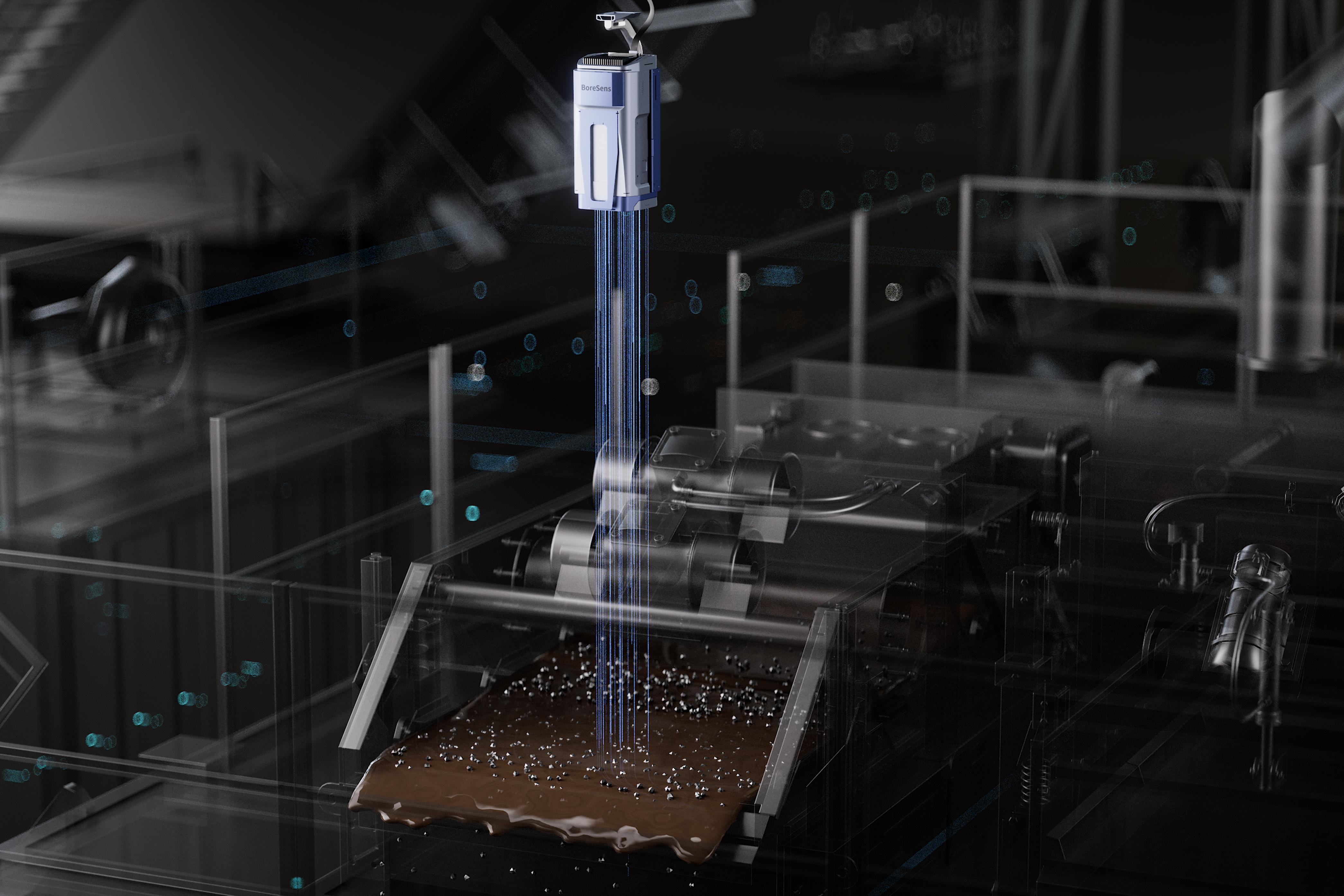
The development of drilling fluids has gone way beyond the conventional fluids. The incorporation of electronic technology and real-time analytics today has changed the traditional mud systems to smart drilling fluids. The developed systems use information to streamline drilling operations, improve safety, and decrease the operation costs. The need to have intelligent and adaptable drilling fluids is on the increase in the energy sector as the drilling environments are becoming increasingly complex.
What Are Smart Drilling Fluids?
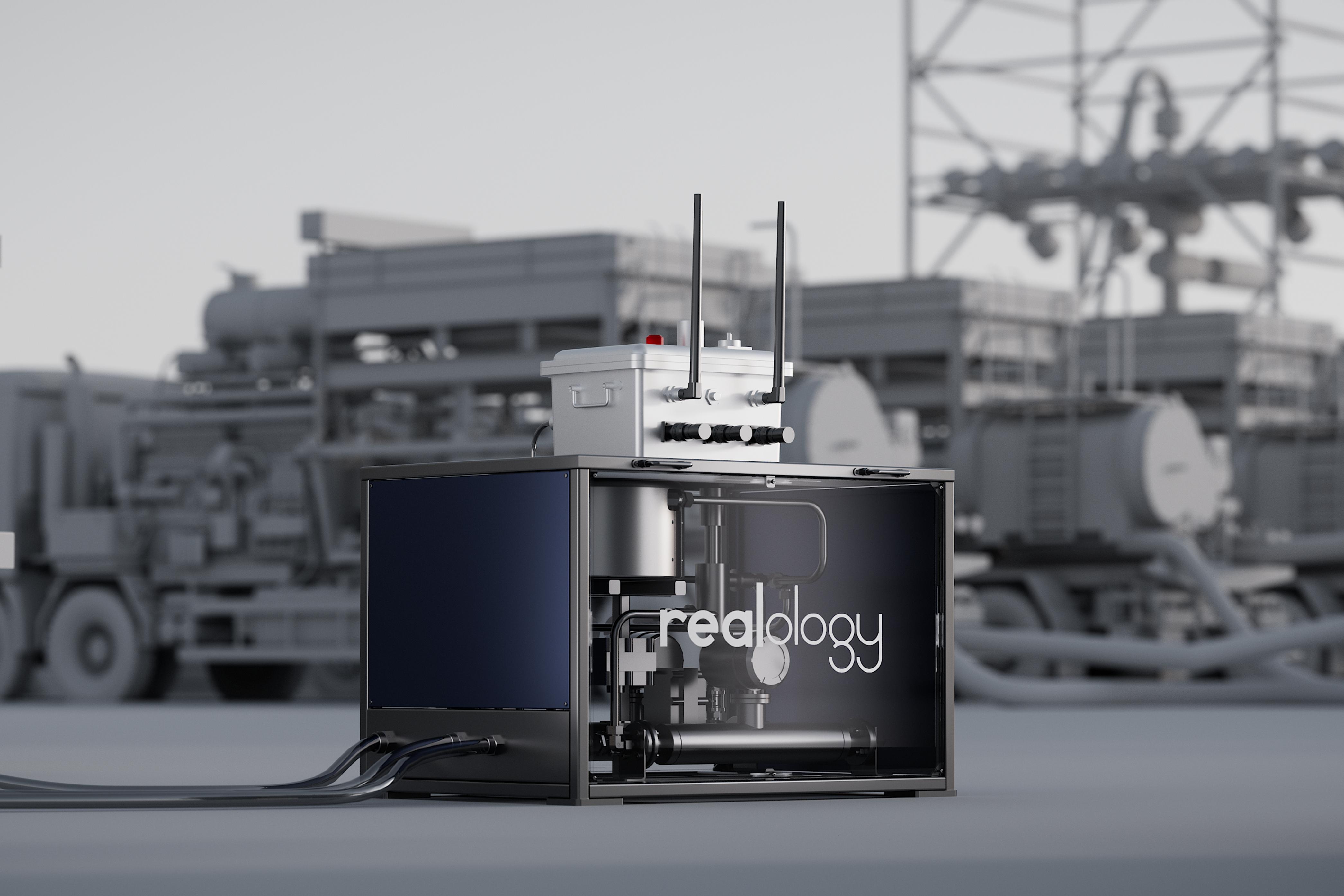
Smart drilling fluids represent a new type of fluids that integrates both traditional fluid engineering and digital monitoring and data analytics. Contrary to the traditional drilling fluids where periodic manual testing is used, smart systems constantly gather and process the data of downhole and surface sensors. This allows real time alterations in the fluid characteristics, so as to maintain the optimum performance during drilling.
Smart drilling fluids combine sensors, automation and predictive analytics to offer a dynamic response to different well conditions. Such accuracy assists the operators to have control over the wellbore and enhance efficiency and reduce risks.
Data in Progressing Fluids in Drilling
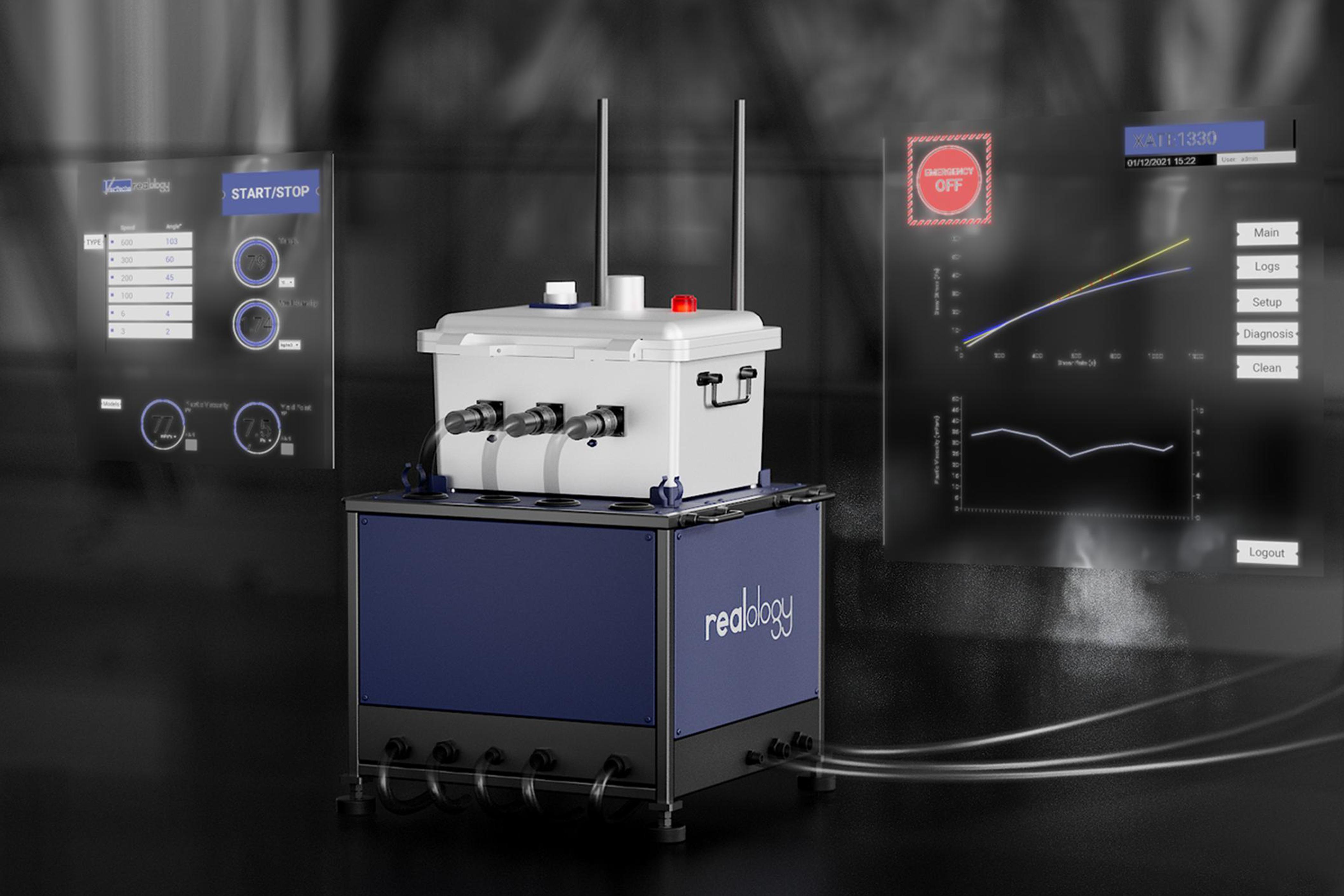
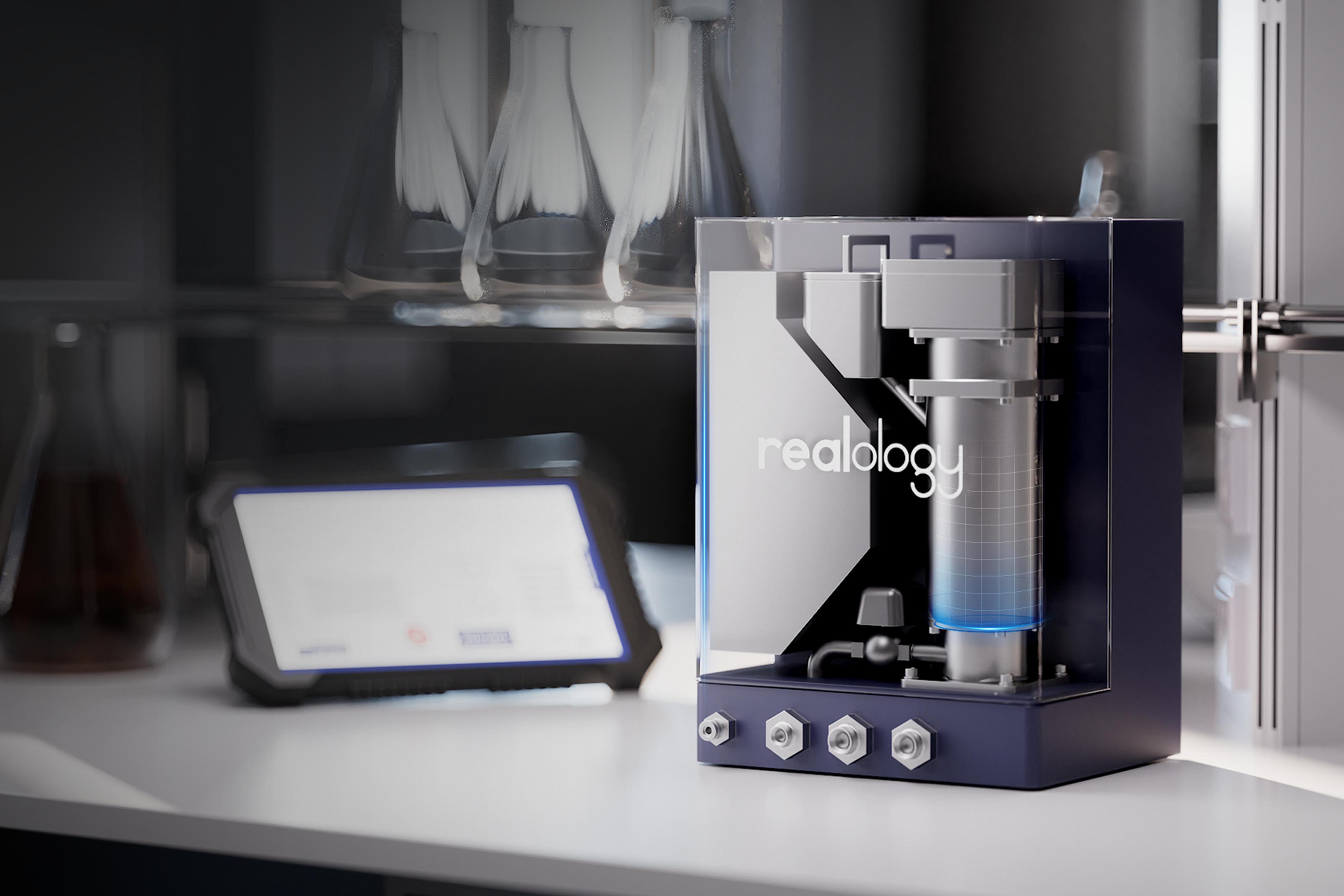
Data is of prime importance in improving the performance of drilling fluids. The drilling system has sensors that measure relevant parameters like temperature, pressure, density, and viscosity. This information is sent to surface control systems where advanced algorithms are used to analyze it.
Using real-time information, engineers working on the drill can spot any changes in the expected conditions quickly and provide adjustments. An illustration is where fluid density decreases to less than the necessary level, the corrective action can be taken immediately to ensure the well is controlled. This proactive strategy minimizes the chances of expensive downtime and operational problems.
On-the-fly Sensing and Control
One of the key advantages of smart drilling fluids is real-time monitoring. The data collection can be performed continuously which enables immediate feedback on the fluid performance, results of which can be used by the operators to adjust the properties of the fluid such as rheology and filtration properties. This will guarantee the performance of drilling fluids in different downhole conditions.
Hole cleaning is also enhanced by real-time optimization. Smart systems establish the appropriate balance between viscosity and flow rate that makes sure that cuttings are efficiently transferred to the surface. This minimizes chances of blockages and improves the speed of drilling in general.
Anticipatory Maintenance and Risk-aversion
Smart drilling fluids rely on predictive analytics to foresee the possible issues before they take place. These systems are able to detect trends that signal equipment wear, fluid degradation or formation instability by analyzing both historical and real-time data. This enables operators to preempt, minimizing the chances of failure and unscheduled downtimes.
Also, predictive features enhance safety by aiding the adequate control of pressure. Timely intervention will be possible by early observing abnormalities like influx of gases or pressure changes, which will reduce the likelihood of well controlled accidents.
Improved Efficiency and Reduced Costs
Data-driven drilling fluids result in high efficiency of the operations. The automated systems lessen the importance of human intervention and the drilling teams can concentrate on making strategic decisions. This efficiency of processes translates to reduced drilling time and cost of labor.
There is also cost savings due to the improved management of resources. Smart drilling fluids minimize waste through optimization of additives use and loss of the fluids. When drilling fluids are guided by the right data, recycling and reuse of the fluid will be more efficient.
Smart Drilling Fluids Have Environmental Benefits
The aspect of sustainability is becoming a major consideration in drilling operations. The environmentally friendly properties of smart drilling fluids include less use of chemicals and the minimization of the waste produced. Real-time monitoring will also keep fluid properties within the safe limits and hence contamination of the surrounding formations is avoided.
Such systems also help in adherence to environmental regulations as they have detailed records of the data. Such transparency can assist the operators to show that they are practicing responsible drilling as well as continuing to be approved by the regulating authorities.
Future of Drilling Fluids
With the digital transformation increasingly transforming the energy industry, the use of smart drilling fluids will be even more important. With the development of artificial intelligence and machine learning, the capabilities of these systems are likely to be improved even further. The drilling fluids of the future will probably be completely autonomous and be able to adapt to the changing conditions without human input.
Combining cloud computing and remote monitoring will also make it possible to control the drilling process on several sites in a centralized manner. This interconnectedness will enhance cooperation and decision-making, facilitating the increased efficiency and innovation in the sector.
About Vertechs
We specialize in providing smart drilling fluids solutions at Vertechs that are in line with the current industry requirements. We integrate hi-tech technology with engineering skills to maximize drilling performance. Our crew collaborates with clients to guarantee effective, secure, and evidence-based operations in varying drilling conditions in the global settings.
Frequently Asked Questions
1. What are smart drilling fluids?
Smart drilling fluids are cutting-edge systems that rely on real-time data and analytics to maximize drilling performance and keep the well under control.
2. What are the benefits of smart drilling fluids?
These allow live tracking and corrections, minimize downtime, enhance the cleaning of holes and the use of fluids.
3. Do smart drilling fluids are green?
Yes, they minimize waste, reduce the use of chemicals, and assist in keeping up with environmental standards.
4. What are the technologies of smart drilling fluids?
The common technologies used are sensors, data analytics, automation and predictive modeling.
5. Will smart drilling fluids minimize the risk of drilling?
Yes, they are used to identify possible problems at an early stage so that preventive measures can take care of safety and integrity as well.
Read Our One More Blog(1): Future of Well Control: How AI & Big Data Are Preventing Blowouts
Read Our One More Blog(2): Advancing Well Control: The Role of Fluid Monitoring Systems in Enhancing Drilling Safety & Efficiency