-
Home
-
Products & Services
-
Dissolvable Plugs
 Fast Drill Plugs
-
Intelligent Rotating Control Device
Intelligent Well Control
-
Intelligent Fluids Monitoring
Real-Time Wellbore Monitoring & Strengthening
Unconventional Completion & Dissolvable Technology
Featured HighlightsIntelligent Pressure Control Technology
Featured HighlightsIntelligent Fluids Monitoring Technology
Featured Highlights -
-
Vertechs Share
-
News
-
QHSE
-
About Us
-
Contact Us


The Benefits of Managed Pressure Drilling for Drilling Operations
2026-04-28
Anyone who has spent time on a rig drilling through a formation with a narrow pressure window knows the particular stress of it. You're threading a needle between pore pressure and fracture gradient, sometimes with margins measured in fractions of a mud weight pound, and every connection — every time drill pipe is stationary and circulation stops — is a moment when that balance can shift in a direction you don't want. Traditional well control was reactive by nature: you watched for warning signs, responded when things went wrong, and hoped the indicators came early enough to act on. The industry has known for a long time that this approach carries an inherent inefficiency, and managed pressure drilling developed as the answer to that problem.
Managed pressure drilling, at its core, is about converting well control from a reactive discipline into a proactive one. Rather than waiting for drill pressure anomalies to signal a kick or a loss event, MPD systems actively manage the annular pressure profile throughout the wellbore in real time — adjusting backpressure dynamically through a choke manifold to maintain the bottom-hole pressure within the desired operational window regardless of what the drill system is doing at any given moment. Rotating, sliding, making a connection, tripping drill pipe — each of these activities creates pressure transients that in conventional drilling simply have to be tolerated. Under MPD, they become variables to be managed.
The practical implications of that shift are significant. In formations where the gap between pore pressure and fracture gradient is narrow — the kind of geology increasingly common as operators push into deeper, more complex reservoirs — conventional drilling methodology often can't stay inside that window without constant intervention. Mud weight heavy enough to prevent an influx might be heavy enough to fracture the formation and induce lost circulation. The result, historically, has been excessive non-productive time spent dealing with one or the other. MPD sidesteps much of that dilemma by decoupling drill pressure management from mud weight — using backpressure applied at surface to supplement or reduce the effective bottomhole pressure as conditions require, without changing the fluid density in the drill system.
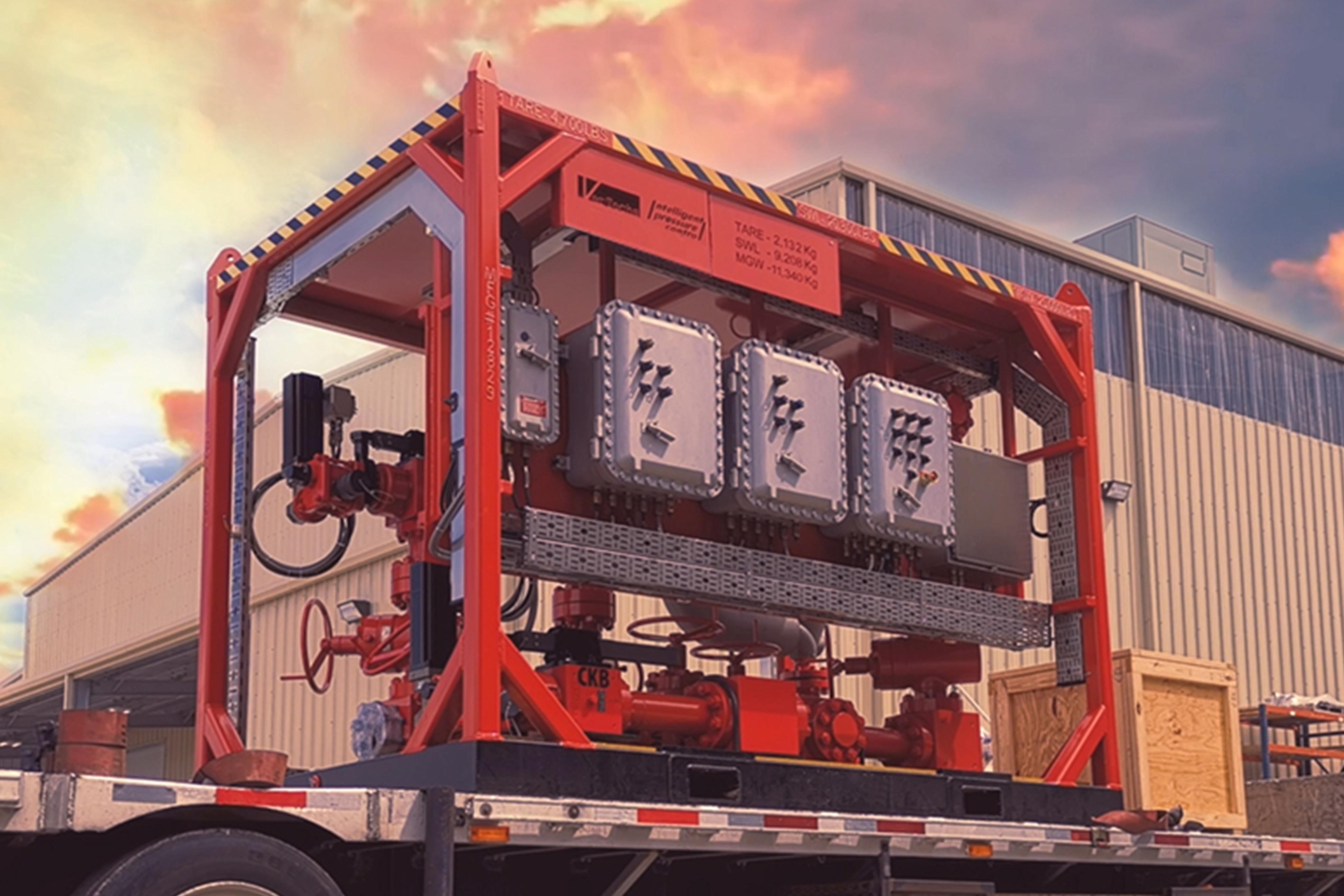
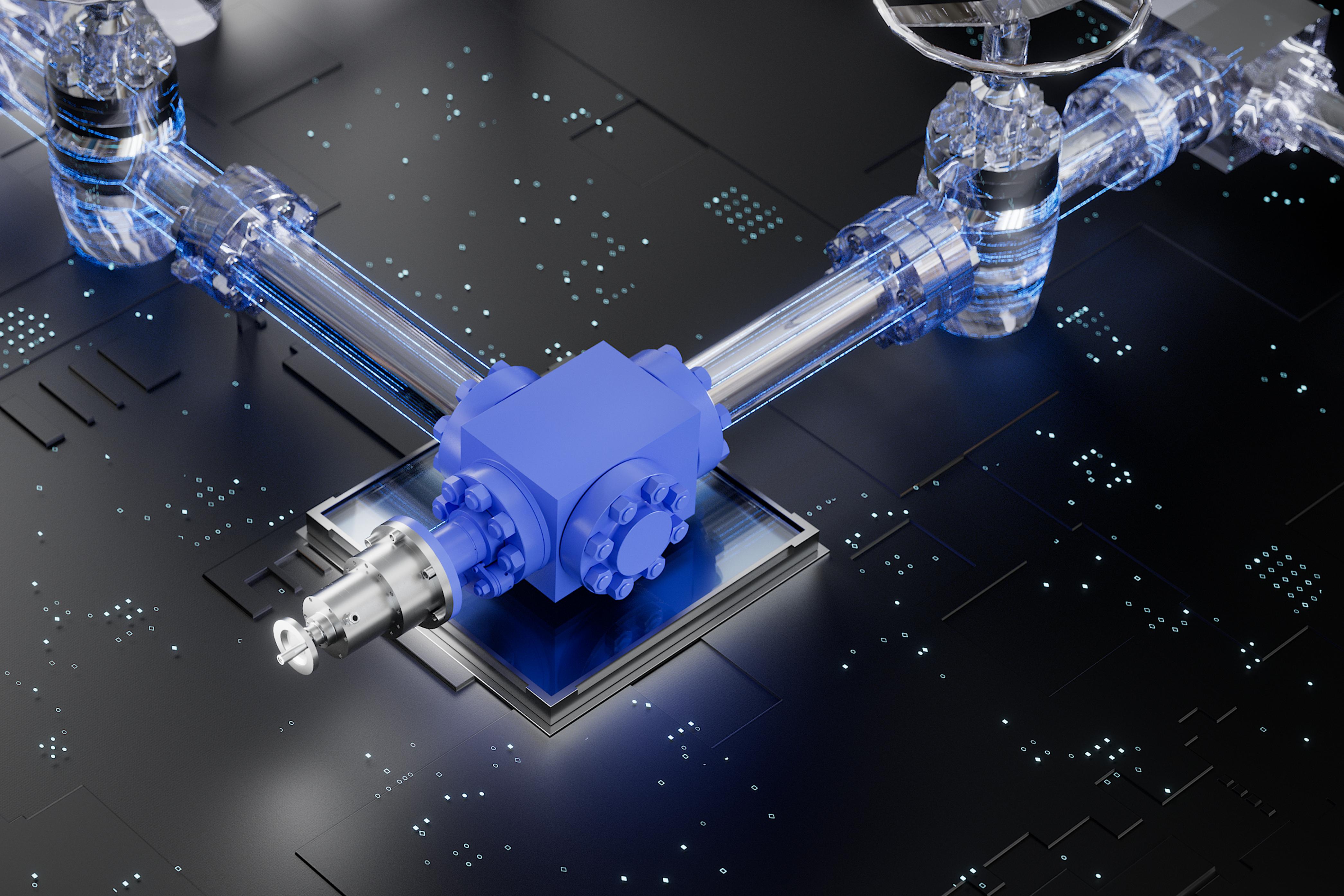
Vertechs has developed its IPC-MPD system as a direct response to the technical demands this kind of operation places on hardware and control logic. The platform is built around a fully electric choke manifold — a departure from the hydraulic systems that have dominated MPD equipment for much of the technology's history. Electric chokes offer millisecond-level response times to drill pressure changes, which matters enormously when the control action required is a precise fractional adjustment to maintain constant bottomhole pressure during a drill pipe connection. Hydraulic systems work, but they respond more slowly, and in tight pressure windows, slow response means pressure excursions that erode the margin you're trying to protect. The electric design also reduces the manifold's physical footprint by up to 60% compared to conventional hydraulic configurations, which has real consequences for deployment in space-constrained environments like offshore platforms or land rigs where deck space is at a premium.
What sets the IPC-MPD apart from a conventional choke manifold with electric actuators is the intelligence layer sitting above the hardware. The system uses an AI and neural network algorithm — rather than a conventional model-based control approach — to make real-time adjustments to the drill system pressure profile. The distinction matters because model-based control relies on pre-defined parameters and assumptions about wellbore behavior that may not accurately reflect actual conditions downhole. Neural network control learns from the live data stream: downhole pressure sensor readings, drill pipe standpipe pressure, flow rates, and fluid properties all feed into an adaptive algorithm that continuously refines its understanding of how the well is behaving and adjusts choke position accordingly. In practice, this means the drill system pressure remains stable even as formation conditions change in ways that a fixed model wouldn't anticipate.
The well control safety implications of this capability extend well beyond avoiding kicks during normal drilling. One of the documented case studies from Vertechs' field experience involved completing MPD operations in an ultra-deep well exceeding 8,000 meters — a depth at which the hydrostatic pressure exerted by the fluid column alone creates enormous challenges for drill pipe running and tripping operations. At those depths, every connection is a complex pressure event. The IPC-MPD system enabled real-time hydraulic modeling to simulate wellbore pressure window requirements during both circulation and non-circulation phases, maintaining constant bottomhole pressure through 14 gas discharge operations over 9 days without the kind of NPT that would have accompanied conventional well control responses to each event. Drilling 250 meters deeper than the planned measured depth on another well in a fractured reservoir with high H₂S content is a result that speaks directly to the system's ability to manage drill pressure at the limits of what formation environments demand.
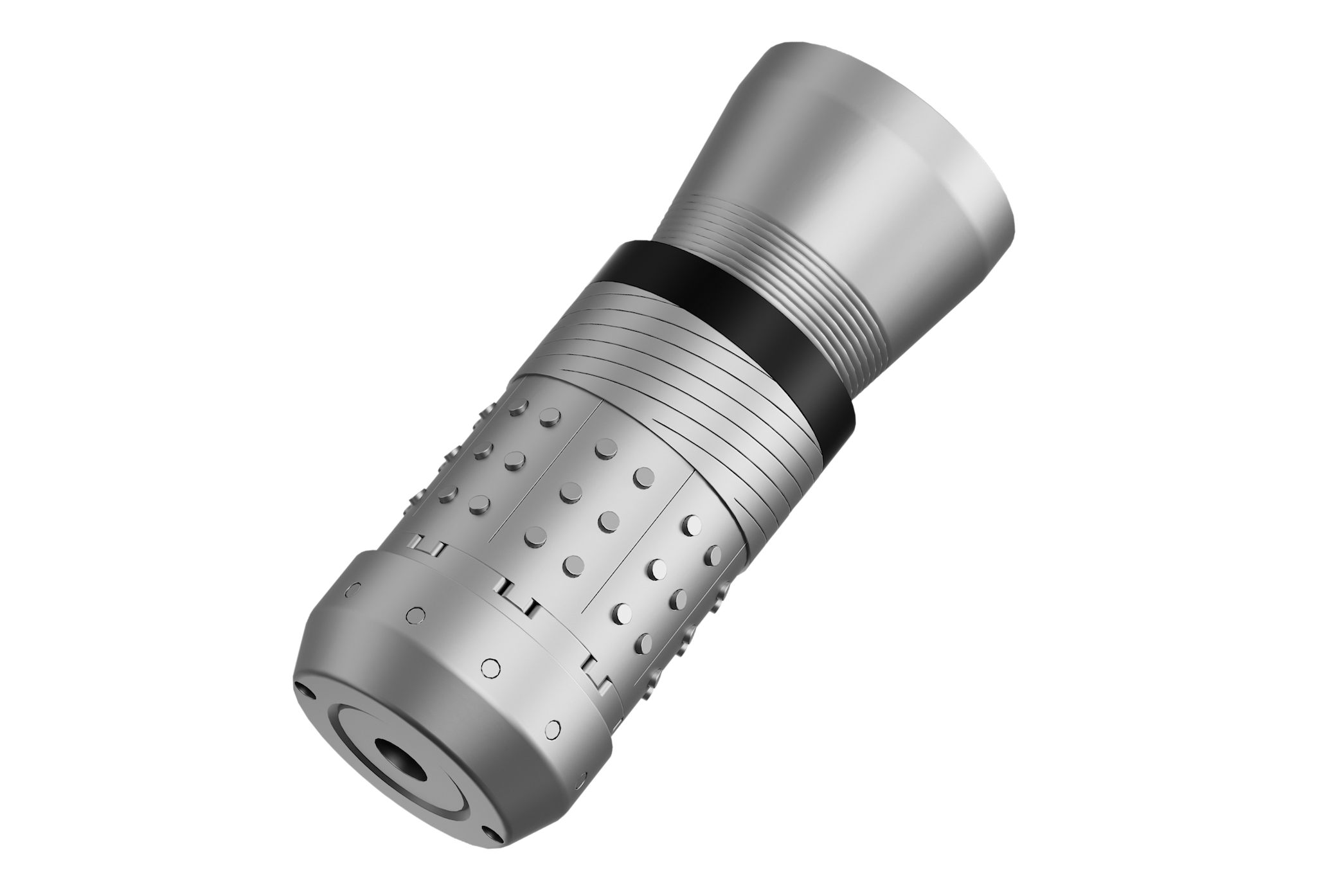
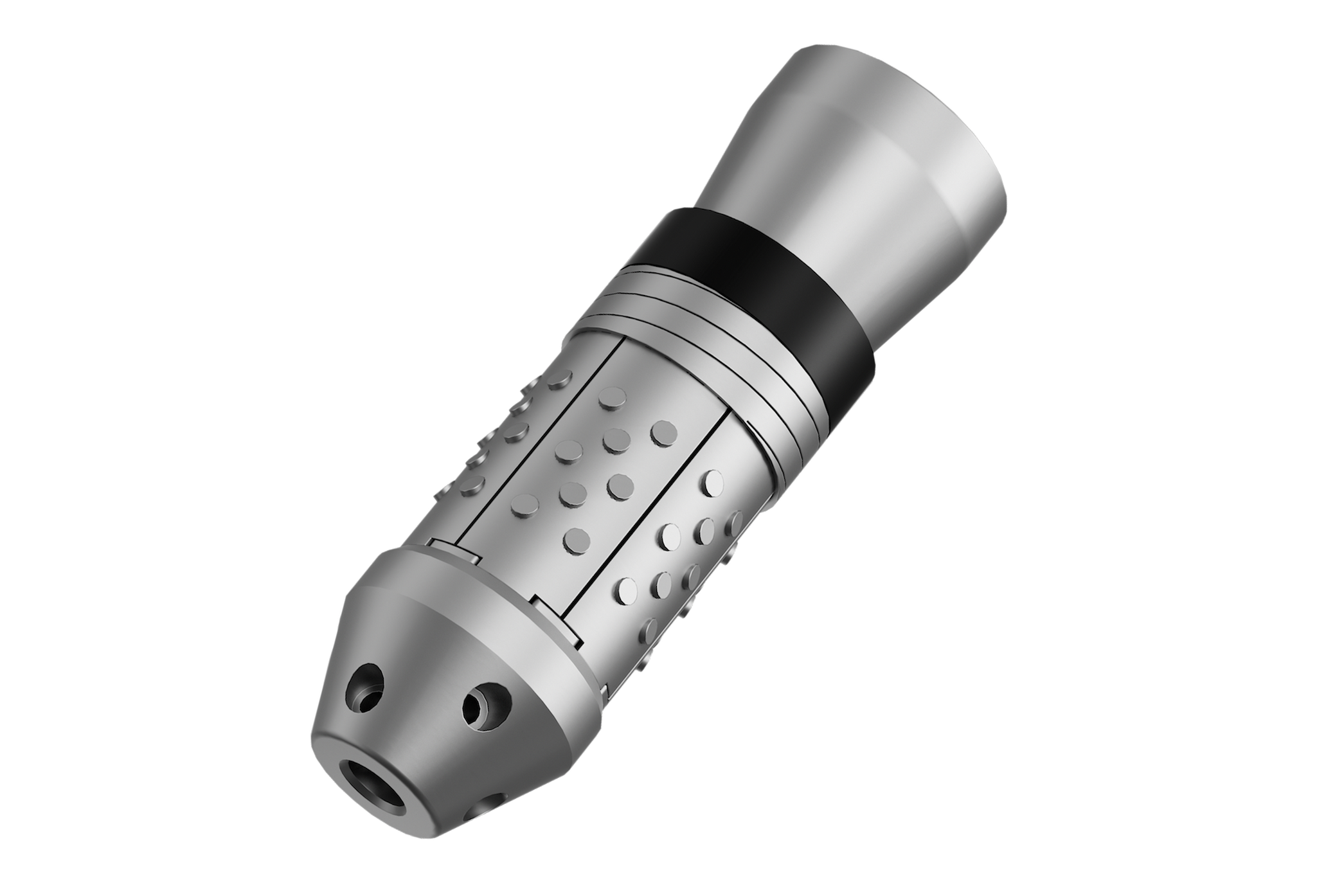
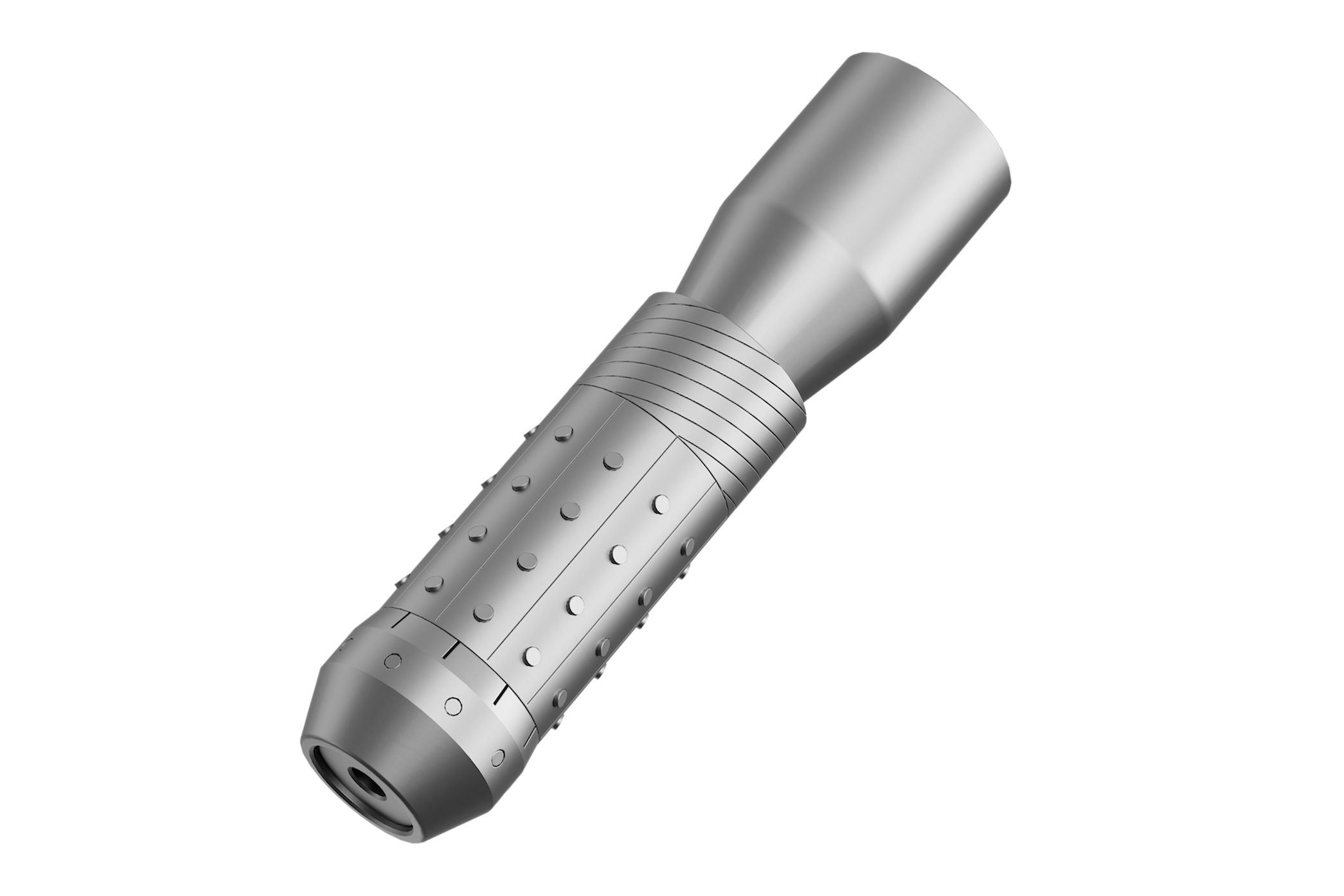
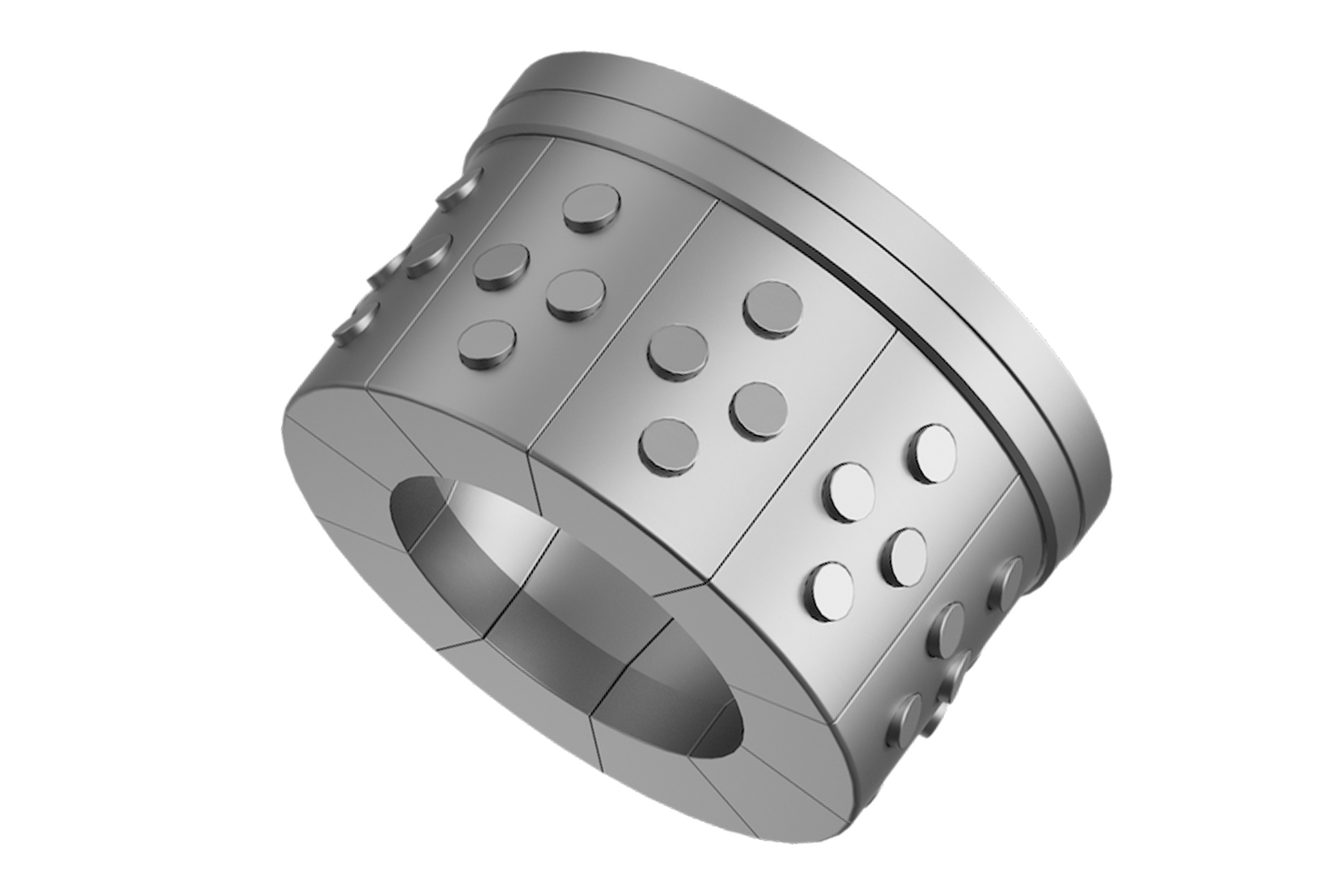
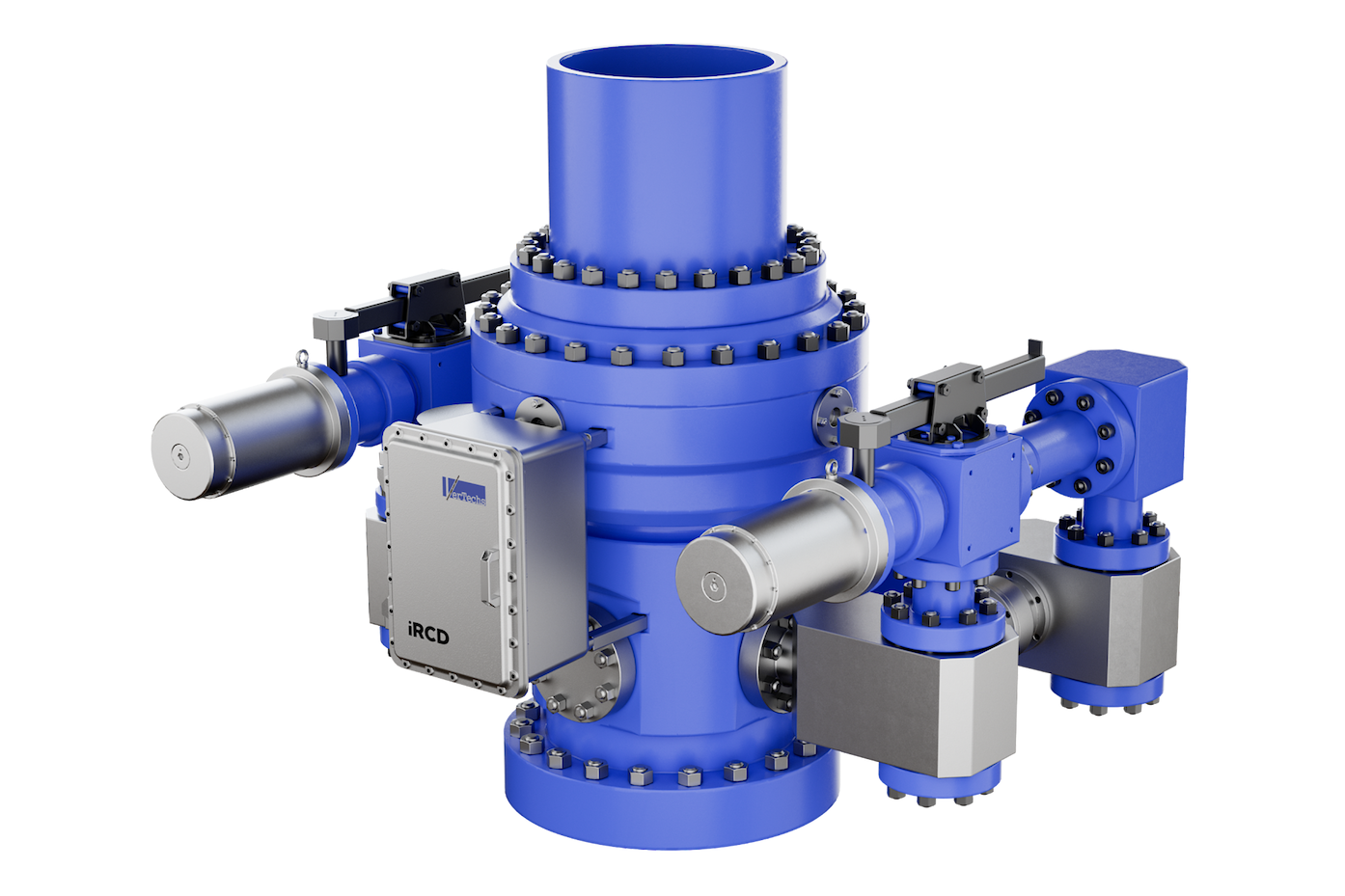
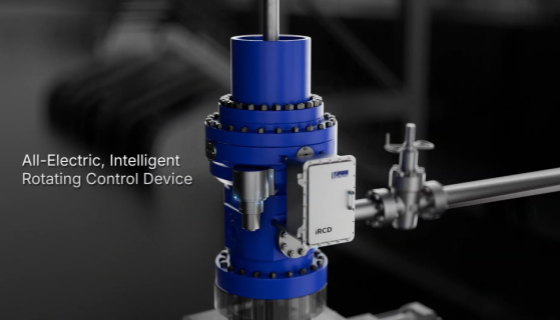
The rotating control device is the other physical component of an MPD drill system that deserves attention, because it's what makes the closed-loop pressure environment possible in the first place. Vertechs' iRCD Pro integrates the core RCD and IPC-MPD functions into a compact system with ±15 psi pressure control accuracy — tight enough to maintain meaningful margins in the most demanding pressure windows. The RCD seals the annulus around the drill pipe, redirecting returning drilling fluid through the choke manifold rather than venting openly to the bell nipple. Without that seal, the backpressure that makes MPD work simply dissipates. With it, the entire drill system operates as a pressurized circuit that the IPC-MPD system can manage with precision.
The well control benefits of MPD also show up in the economics of drilling programs in ways that don't always get highlighted in technical papers. Every day of NPT related to well control — whether that's a kick that required a shut-in, a lost circulation event that required a cement squeeze, or a wellbore instability issue that required reaming and conditioning — has a direct cost measured in rig day rates, crew time, and deferred production. MPD's ability to reduce the frequency and severity of those events has been documented consistently across diverse field applications. For operators drilling through depleted reservoirs, fractured carbonates, salt sections, or any formation where the pressure environment is unpredictable, the NPT reduction alone often justifies the incremental cost of the MPD drill system equipment.
There's also the access question. Some reservoirs that were previously considered technically inaccessible or uneconomical with conventional drilling techniques become viable under MPD. High-pressure, high-temperature formations that require precise drill pressure management throughout every phase of the well. Deepwater sections with narrow fracture gradients in shallow hazard zones. Mature fields with depleted sands sitting adjacent to normally pressured or overpressured intervals. In each of these contexts, MPD is not simply a better way to drill a well that could have been drilled conventionally — it's the technology that makes the well possible at all.
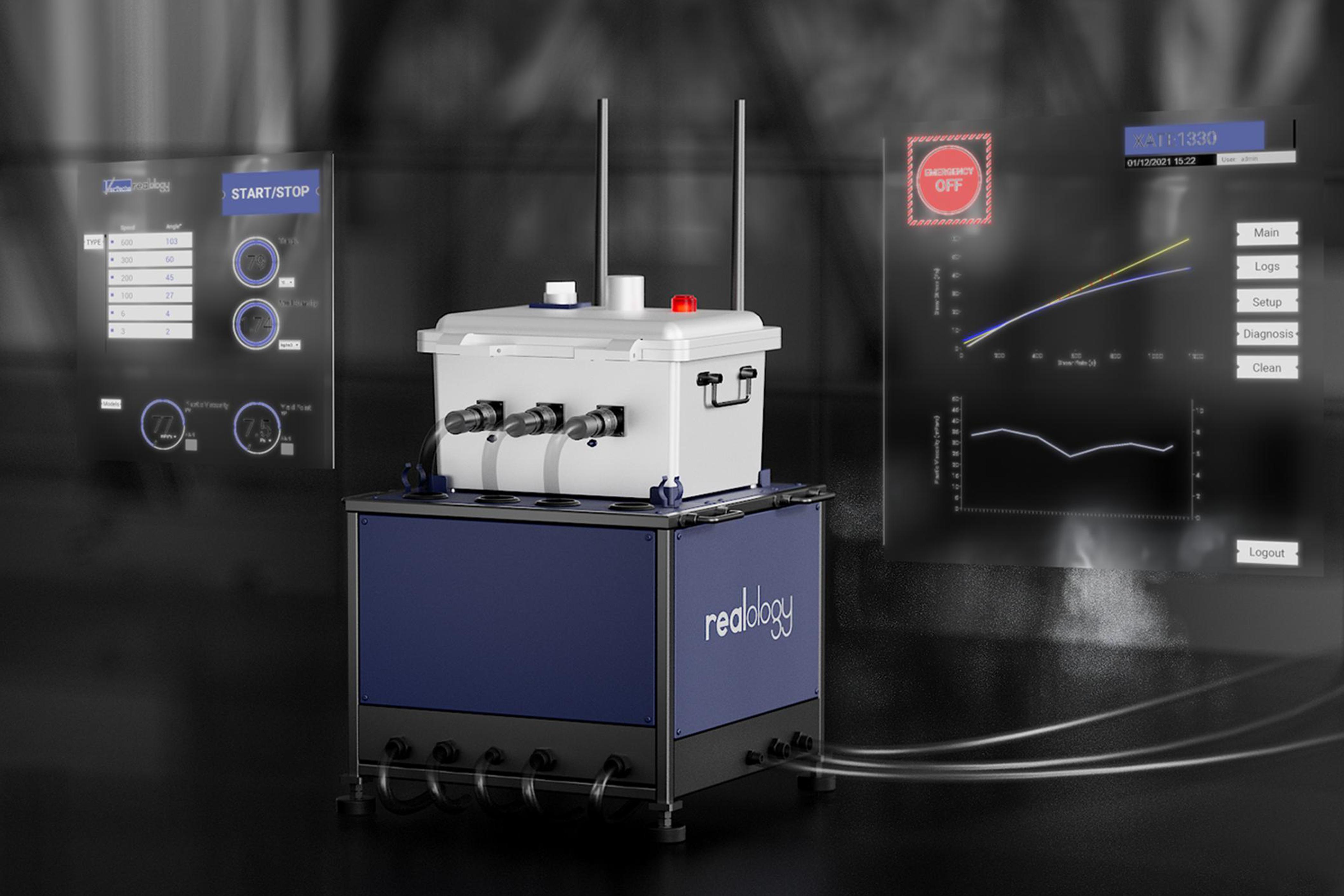
Vertechs, operating across markets in Asia-Pacific, the Middle East, and North America from offices in Chengdu, Dammam, Houston, and Calgary, has built its IPC-MPD system to serve operators across this full spectrum of application complexity. The integration of intelligent pressure control with real-time fluid monitoring through REALology, and wellbore strengthening through RWSS, creates a drill system framework where well control, fluid management, and formation stability are treated as interconnected variables rather than separate problems handled by separate service lines. For drilling operations where conditions are genuinely demanding, that integration is what moves well control from a reactive emergency response discipline to a continuous, managed, data-driven operation.
To learn more about how Vertechs can enhance your energy projects, contact us today. Our team is ready to assist you with tailored solutions to meet your specific needs. Reach out via email at engineering@vertechs.com or connect with us on LinkedIn.
Read Our One More Blog(1): Overcoming Wellbore Restrictions in Plug and Perf Stimulation with Vertechs' Phantom Fast Drill Plug
Read Our One More Blog(2): Smart Drilling Fluids: How Data-Driven Mud Systems Improve Performance