-
Home
-
Products & Services
-
Dissolvable Plugs
 Fast Drill Plugs
Integrated Completion Systems
Fast Drill Plugs
Integrated Completion Systems
-
Intelligent Rotating Control Device
Intelligent Well Control
-
Intelligent Fluids Monitoring
Real-Time Wellbore Monitoring & Strengthening
Unconventional Completion & Dissolvable Technology
Featured HighlightsIntelligent Pressure Control Technology
Featured HighlightsIntelligent Fluids Monitoring Technology
Featured Highlights -
-
Vertechs Share
-
News
-
QHSE
-
About Us
-
Contact Us





Advancing Drilling Efficiency: The Role of Fluid Rheology in Modern Wellbore Technologies
2026-03-19
In the ever-evolving landscape of oil and gas exploration, the interplay between fluid rheology and wellbore stability has become a cornerstone of successful drilling operations. As engineers and operators push the boundaries of extracting resources from increasingly challenging environments, understanding how drilling fluids behave under various conditions is crucial. Fluid rheology, which encompasses the study of how these fluids flow and deform, directly influences wellbore stability by maintaining the structural integrity of the borehole during drilling. Companies like Vertechs Group are at the forefront of this innovation, offering advanced wellbore technologies that integrate real-time monitoring to enhance wellbore strengthening efforts. This not only minimizes risks such as collapses or fluid losses but also optimizes overall performance in complex geological settings.
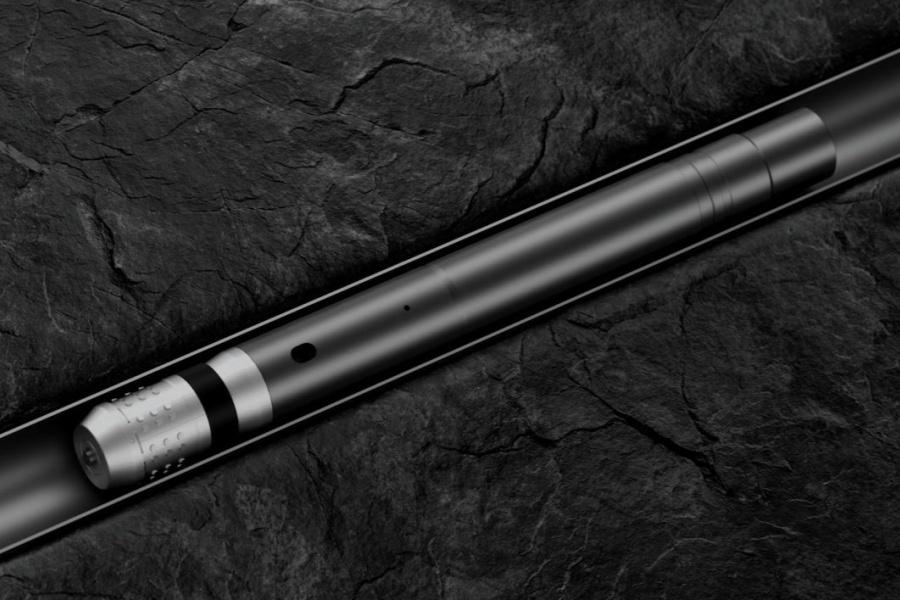
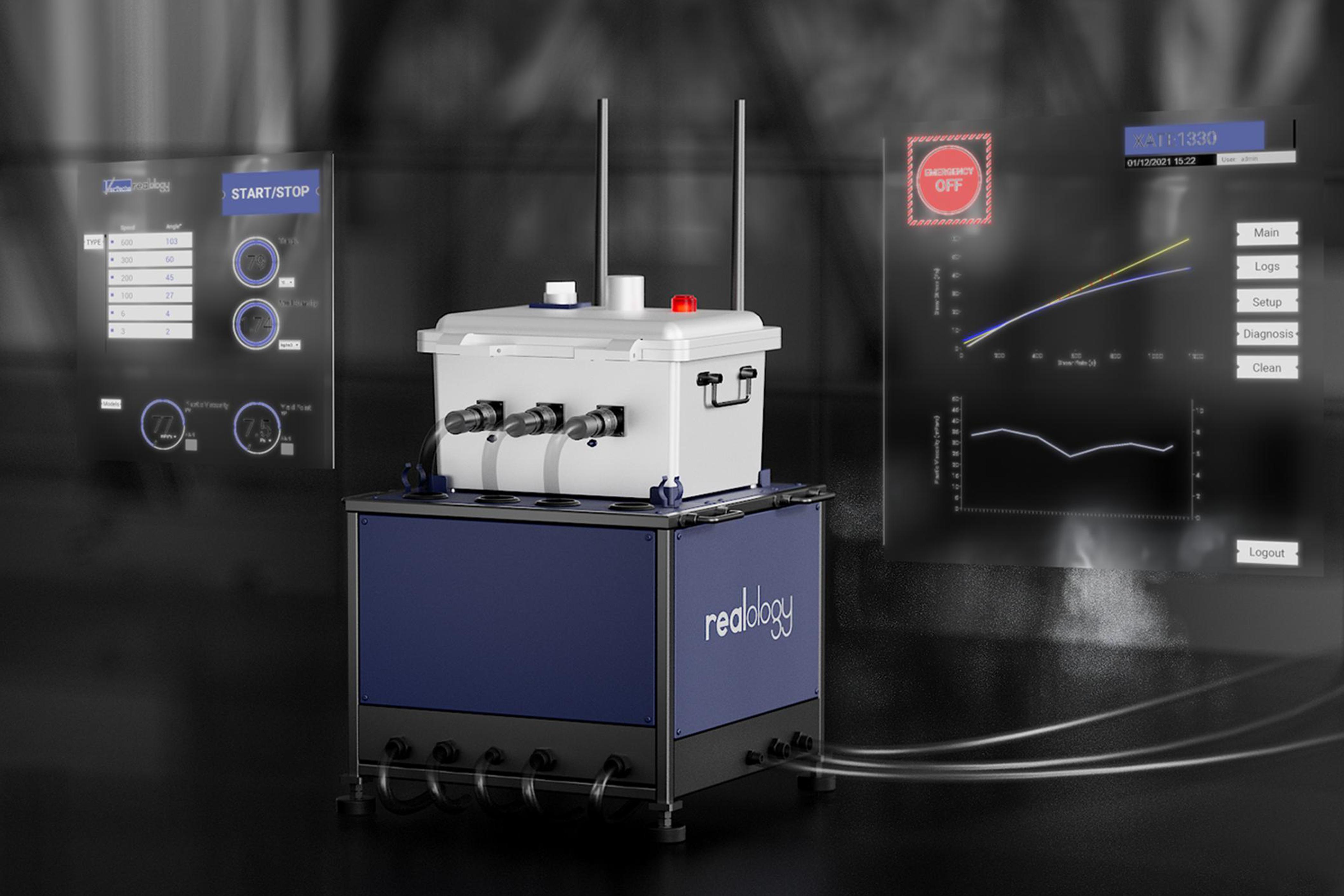
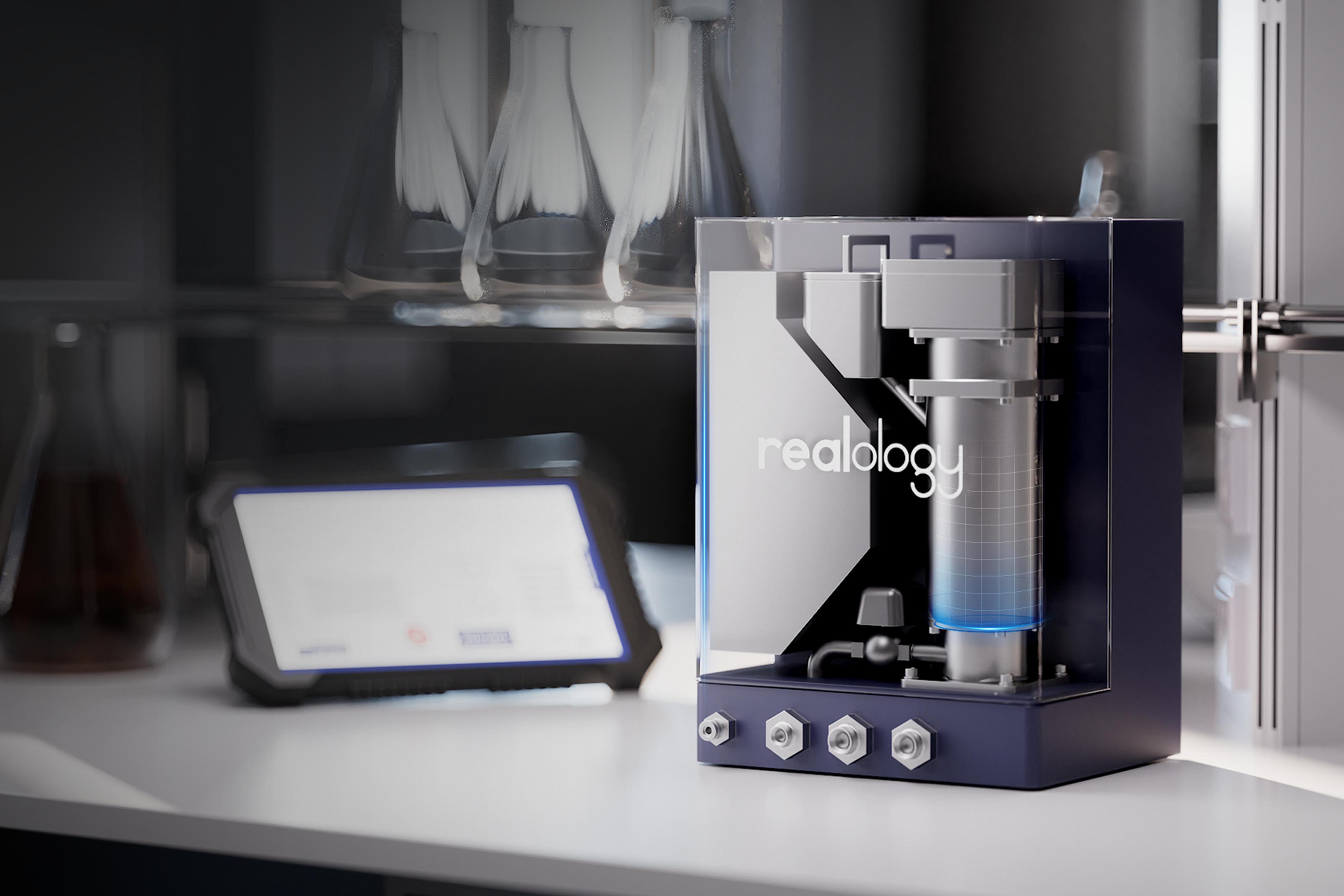
Drilling fluids, often referred to as mud, serve multiple purposes beyond mere lubrication. Their rheological properties—viscosity, yield point, and gel strength—determine how effectively they can carry cuttings to the surface, control formation pressures, and prevent unwanted interactions with the surrounding rock. When fluid rheology is poorly managed, it can lead to instability in the wellbore, where the walls might fracture or cave in due to inadequate support. This is where wellbore stability comes into sharp focus; it's not just about keeping the hole open but ensuring that the entire operation proceeds without costly interruptions. Vertechs' Intelligent Fluids Monitoring Technology exemplifies how modern wellbore technologies can address these challenges by providing continuous data on fluid behavior, allowing operators to adjust parameters on the fly and bolster wellbore strengthening measures before issues escalate.
Consider a typical deepwater drilling scenario, where high pressures and temperatures test the limits of conventional methods. Here, fluid rheology plays a pivotal role in maintaining hydrostatic balance, which is essential for wellbore stability. If the fluid's viscosity drops too low under shear stress, it might fail to suspend solids, leading to blockages or even blowouts. Conversely, overly thick fluids can increase friction, slowing down the drilling process. Vertechs' approach to wellbore technologies integrates sensors and analytics that track these rheological changes in real time, enabling proactive wellbore strengthening. By injecting specialized additives or altering circulation rates based on live data, teams can reinforce the wellbore walls, preventing fractures from propagating and ensuring the borehole remains intact throughout the operation.
The connection between fluid rheology and wellbore strengthening is particularly evident in lost circulation events, a common hurdle in porous or fractured formations. When drilling fluids escape into the rock, it disrupts the pressure equilibrium, compromising wellbore stability. Advanced wellbore technologies, such as those developed by Vertechs, include intelligent systems that detect these losses early through rheological monitoring. For instance, a sudden change in fluid density or flow characteristics signals potential problems, prompting immediate wellbore strengthening interventions like the deployment of bridging agents or lost circulation materials. These materials, designed to seal off leaks without altering the overall fluid rheology too drastically, help restore balance and maintain operational continuity. It's this seamless integration that makes such technologies indispensable in today's high-stakes drilling environments.
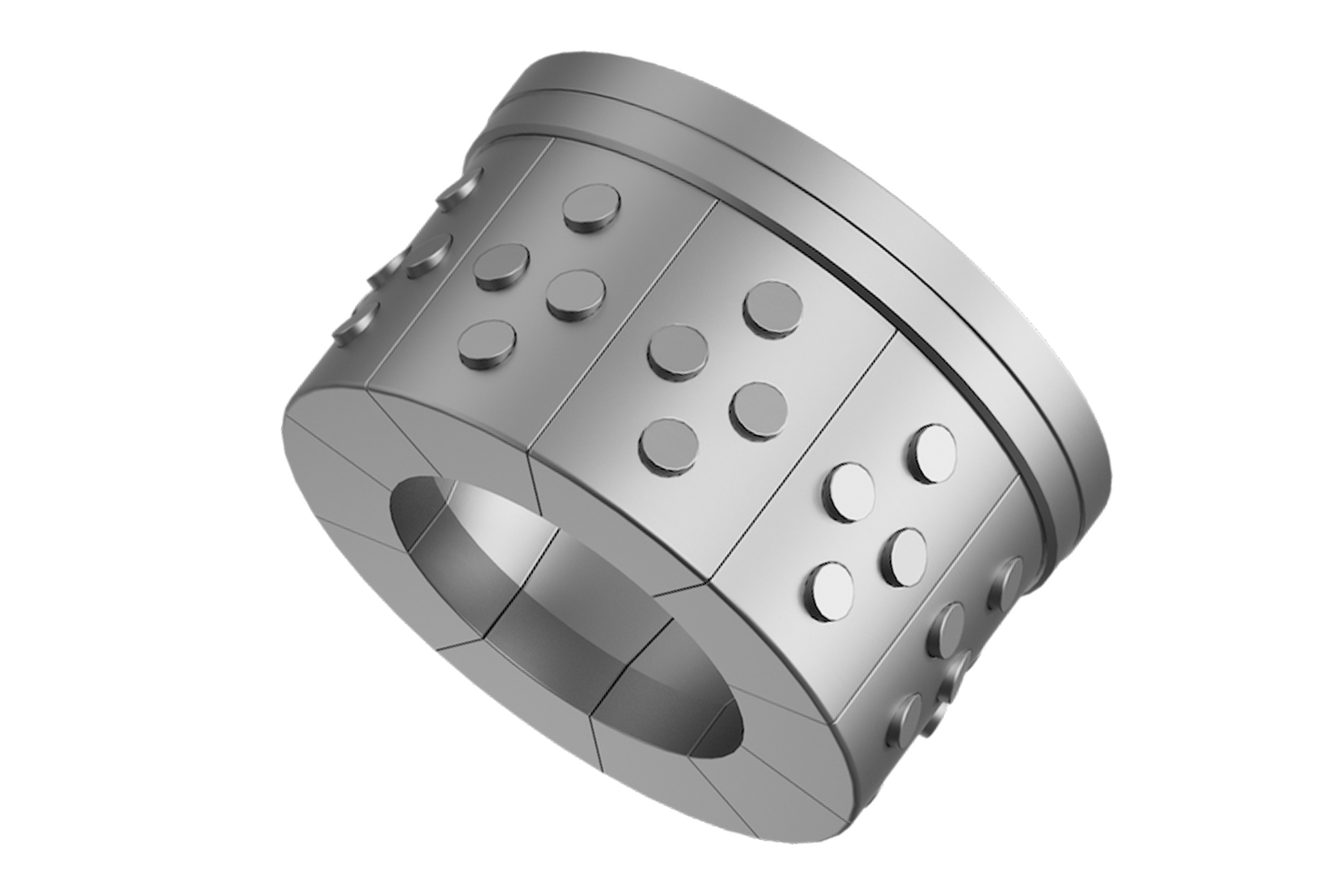
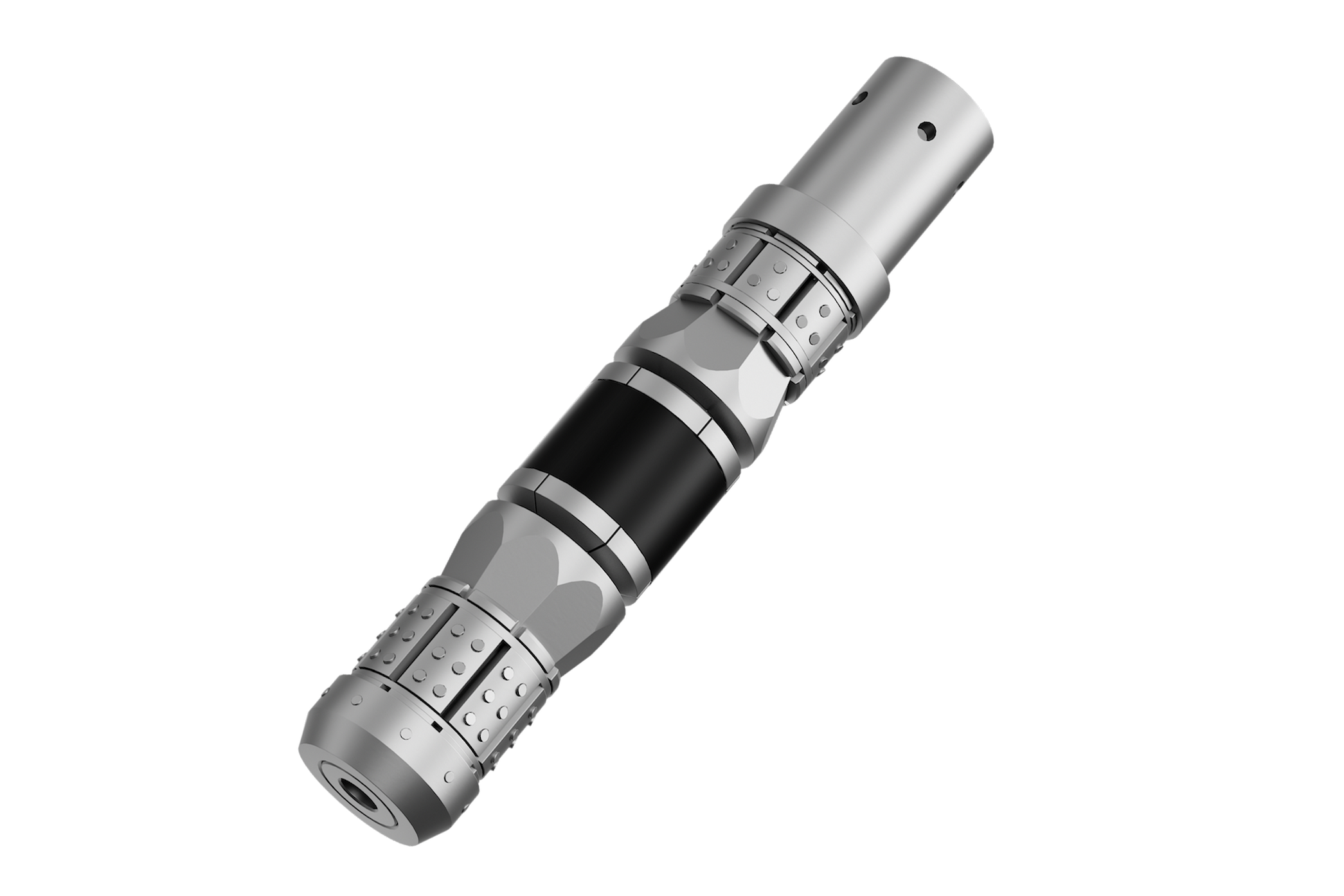
Beyond immediate fixes, long-term wellbore stability relies on a holistic understanding of how fluid rheology evolves over the course of a well's life. In unconventional reservoirs, where hydraulic fracturing is involved, the initial drilling phase sets the stage for subsequent completions. Vertechs' Unconventional Completion & Dissolvable Technology complements this by offering tools that enhance wellbore strengthening during these critical stages. Fast Drill Plugs and BHA add-ons, for example, work in tandem with optimized fluid systems to ensure that rheological properties support efficient plug setting and removal, reducing non-productive time and bolstering overall wellbore integrity. This synergy highlights how wellbore technologies are not isolated tools but interconnected solutions that amplify each other's effectiveness.
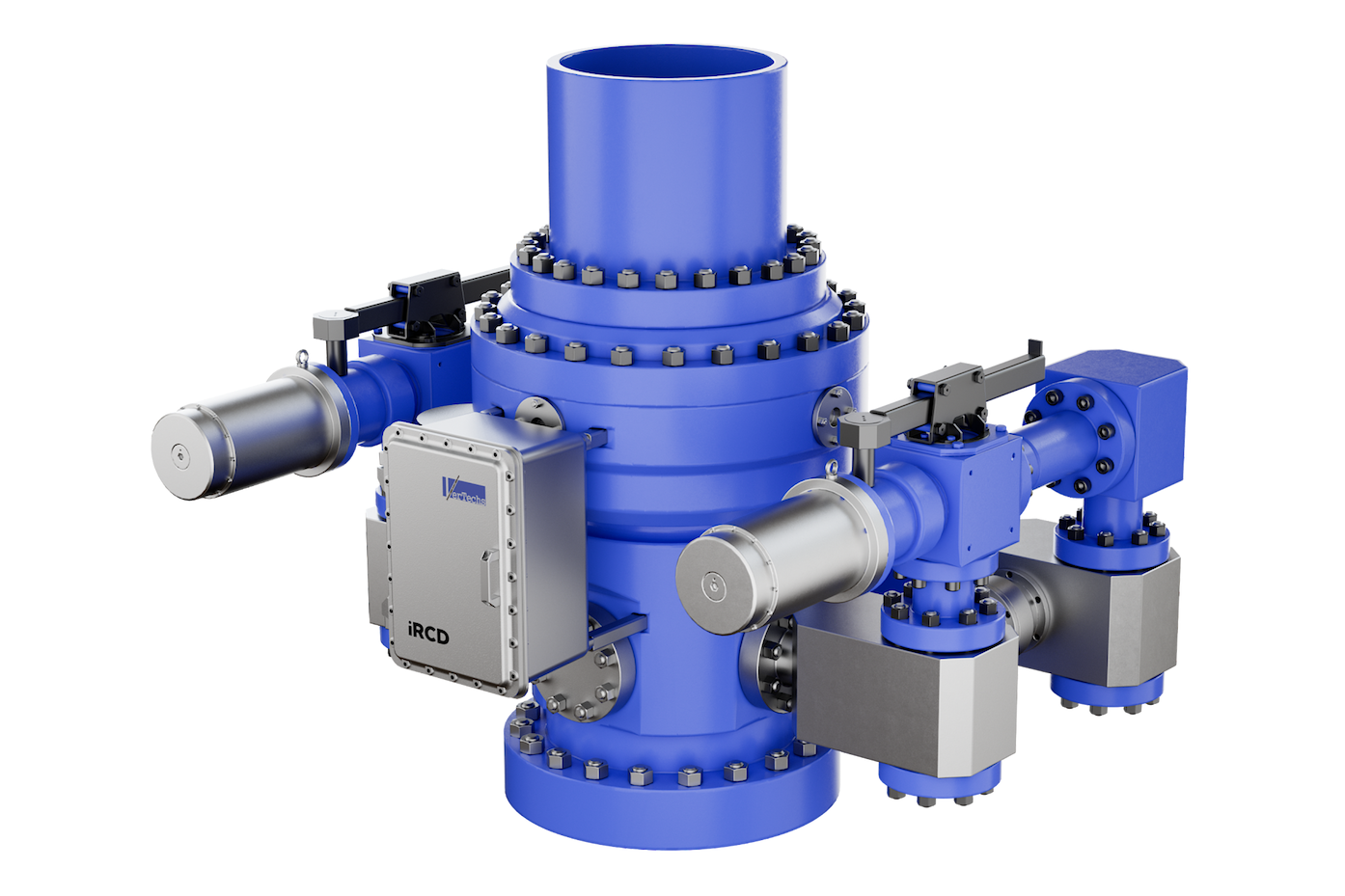
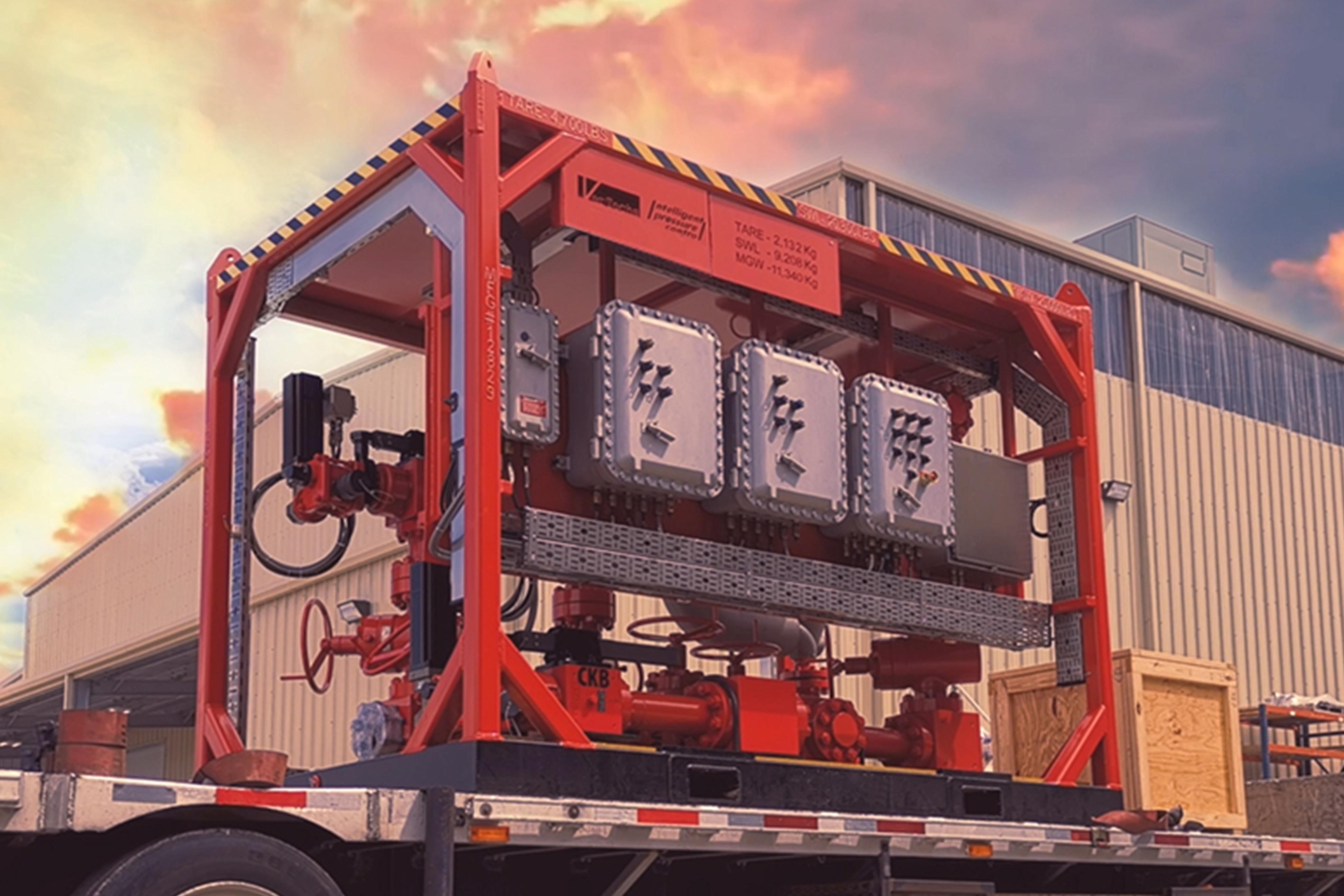
As the industry shifts toward more sustainable practices, the role of fluid rheology in minimizing environmental impact cannot be overstated. Properly managed fluids reduce the volume of waste generated and lower the risk of spills that could affect groundwater or surface ecosystems. Wellbore stability, achieved through precise rheological control, ensures that operations stay contained, preventing unintended releases. Vertechs' Intelligent Pressure Control Technology, including devices like the Intelligent Rotating Control Device, further refines this by maintaining closed-loop systems that monitor and adjust fluid dynamics. This not only enhances wellbore strengthening but also aligns with regulatory demands for safer, greener drilling. Operators who leverage these wellbore technologies find themselves better equipped to handle the unpredictability of subsurface conditions, turning potential liabilities into manageable aspects of the workflow.
In practice, the benefits of integrating fluid rheology with wellbore stability strategies are borne out in real-world applications. Take a shale gas project in a tectonically active region: fluctuating stresses on the wellbore demand fluids that adapt without losing their supportive qualities. By employing Vertechs' real-time monitoring, teams can fine-tune rheological parameters—perhaps increasing gel strength to combat vibrations or thinning the fluid for better penetration—while simultaneously applying wellbore strengthening techniques like stress caging. This method, where particles are embedded in the formation to create a reinforced barrier, relies heavily on the fluid's ability to transport and place these materials effectively. The result is a more resilient wellbore that withstands the rigors of extended drilling campaigns, showcasing how wellbore technologies evolve to meet specific challenges.
Moreover, the advent of data-driven approaches has transformed how we approach fluid rheology in the context of wellbore technologies. Machine learning algorithms, embedded in systems like those from Vertechs, analyze historical and real-time data to predict rheological shifts that could jeopardize wellbore stability. This predictive capability allows for preemptive wellbore strengthening, such as adjusting mud weight or introducing polymers to enhance viscosity under anticipated conditions. It's a far cry from the trial-and-error methods of the past, offering a level of precision that boosts efficiency and safety. Engineers no longer react to problems; they anticipate them, weaving fluid rheology into a broader tapestry of wellbore management that includes everything from casing design to completion strategies.
The economic implications are equally compelling. Downtime due to wellbore instability can cost millions, but by optimizing fluid rheology through advanced wellbore technologies, operators can slash these expenses. Vertechs' Intelligent Well Control systems, for instance, provide the oversight needed to maintain rheological consistency, ensuring that wellbore strengthening efforts are targeted and effective. This not only extends the life of the well but also maximizes resource recovery, as a stable borehole allows for more accurate placement of production equipment. In competitive markets, where margins are tight, such innovations give companies a decisive edge, proving that investment in wellbore technologies pays dividends in both the short and long term.
Looking ahead, the future of drilling will likely see even deeper integration of fluid rheology with emerging wellbore technologies. Nanotechnology, for example, could introduce smart additives that self-adjust rheological properties in response to downhole conditions, further enhancing wellbore stability. Vertechs is already paving the way with their focus on intelligent monitoring, setting the stage for these advancements. Wellbore strengthening will evolve from reactive plugging to proactive engineering, where fluids are designed with built-in resilience. This progression underscores the interconnectedness of these elements: fluid rheology isn't just a property to measure; it's a dynamic tool for achieving superior wellbore performance.
In essence, the mastery of fluid rheology is what elevates wellbore stability from a basic requirement to a strategic advantage. Through innovative wellbore technologies like those offered by Vertechs, the industry continues to refine wellbore strengthening techniques, making operations safer, more efficient, and more sustainable. To learn more about how Vertechs can enhance your energy projects, contact us today. Our team is ready to assist you with tailored solutions to meet your specific needs. Reach out via email at engineering@vertechs.com or connect with us on LinkedIn.
Read Our One More Blog(1): Well Control: Importance and Safety Measures in Oil & Gas Operations
Read Our One More Blog(2): Streamlining Plug and Perf Processes: The Role of Vertechs’ Wizard Dissolvable Plug