-
Home
-
Products & Services
-
Dissolvable Plugs
 Fast Drill Plugs
-
Intelligent Rotating Control Device
Intelligent Well Control
-
Intelligent Fluids Monitoring
Real-Time Wellbore Monitoring & Strengthening
Unconventional Completion & Dissolvable Technology
Featured HighlightsIntelligent Pressure Control Technology
Featured HighlightsIntelligent Fluids Monitoring Technology
Featured Highlights -
-
Vertechs Share
-
News
-
QHSE
-
About Us
-
Contact Us





Well Control: Importance and Safety Measures in Oil & Gas Operations
2026-03-19
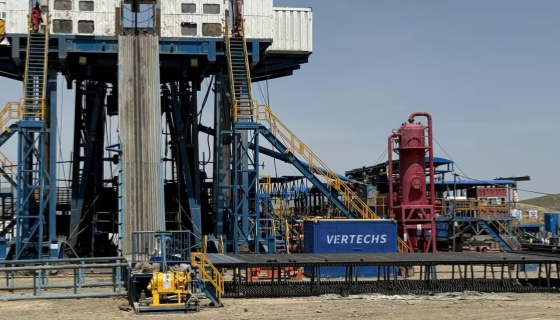
Oil and gas drilling operations involve high pressure environments. Maintaining safety during drilling is important to prevent accidents. It also protects workers. One of the most important safety practices in the industry is well control. This is helpful for managing formation pressure. It also prevents the uncontrolled flow of fluids from the well.
Without proper monitoring, drilling operations may face serious risks such as blowouts or equipment damage. Better controlling methods make sure that drilling fluids work well together. This is important for maintaining a safe wellbore environment.
What Is Well Control in Oil and Gas Drilling?
Controlling well refers to the techniques and procedures. They are used to maintain pressure balance in a drilling well. The goal is to prevent the uncontrolled release of the formation fluids like oil, gas, or water during drilling operations. This is achieved by controlling the pressure inside the wellbore. When formation pressure exceeds drilling fluid pressure, fluids can enter the well. This situation is called a kick. Proper control methods help in detecting kicks early. This also prevents them from developing into dangerous blowouts.
Major Safety Measures Used
Monitoring Drilling Fluid Pressure
Drilling fluids play an important role in maintaining pressure balance within the wellbore. The density of the fluid must be carefully managed to counter formation pressure. Engineers check fluid properties during drilling operations. Maintaining correct fluid pressure is an important part of controlling a well. If the drilling fluid becomes too light, formation fluids may enter the well. Increasing operational risk.
Blowout Preventer Systems
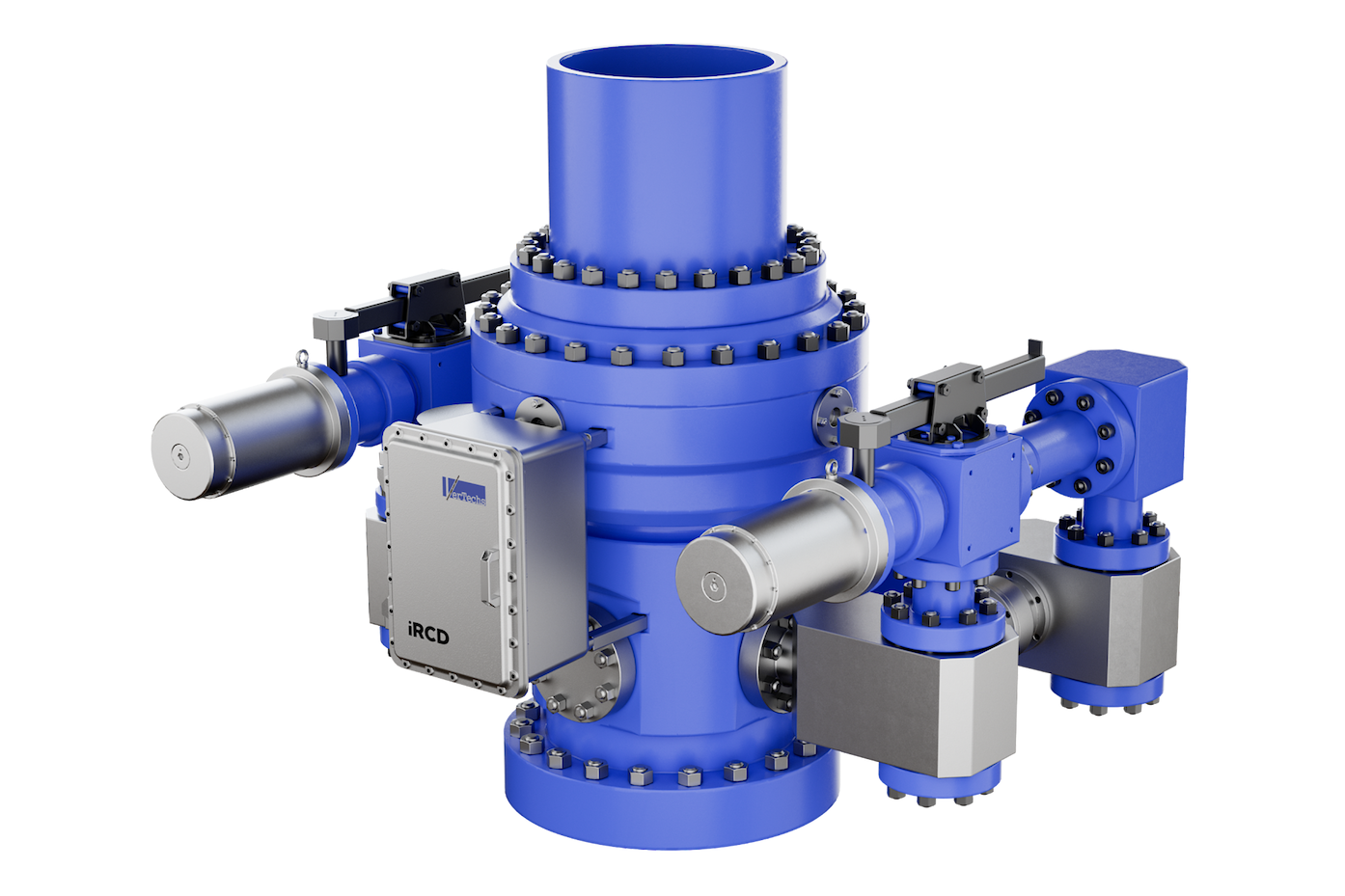
Blowout preventers IOPs) are important safety devices installed in drilling rings. They are designed to seal the well if uncontrolled pressure is present. These systems work as a last line of defence. This is mainly at the time of drilling emergencies. BOP systems are important tools for maintaining control well. They allow operators to stop the flow of fluids. They are also helpful in stabilising the well before serious accidents.
Early Kick Detection
Detecting a kick early helps prevent major control well incidents. Operators check for the drilling parameter. This includes flow rates, pit volume and pressure levels to check unusual changes. When abnormal pressure behaviour is detected, drilling teams can apply the proper well control procedure immediately. Early response directly reduces the operational risks.
Proper Training and Drilling Methods
Personal training is an important factor in maintaining safe drilling operations. Engineers and drilling crews must understand pressure management and emergency response procedures. Well trained teams are better prepared to handle unexpected pressure changes. Training programs also make sure that workers can apply control well techniques properly.
Why Is It Important in Oil and Gas Operations?
Maintaining the stability of the well is important for safe drilling. Uncontrolled pressure events can cause equipment damage. It also causes safety risks to workers. Proper well management makes sure that drilling activities stay stable. Effective control of well practices reduces the risk of blowouts. It is also helpful in uncontrolled fluid releases. They also help to protect the drilling infrastructure. It also maintains operational efficiency during the drilling processes.
What is the Role of Drilling Fluids in Controlling a Well?
Drilling fluids are an important part of pressure management. It is helpful in preventing unwanted fluid entry into the wellbore. Engineers carefully adjust drilling fluid density throughout the operation. These adjustments also help in maintaining effective control while achieving proper drilling performance.
Challenges in Maintenance
Drilling operations many times occur in challenging environments. This includes high pressure formations. These conditions increase the complexity of pressure management during drilling. Advanced monitoring technology is needed to maintain effective control well under such conditions. Continuous monitoring helps operators to check for pressure changes.
Technological Advances
Modern drilling operations use advanced monitoring tools. They also use automated systems to improve safety. Sensors help engineers to track the pressure conditions. These technological improvements support better control as they provide accurate data. This is also helpful for faster response. Automation also reduces human error during drilling operations.
Final Say
Safe drilling operations depend on proper pressure management. Well control is an important practice. This protects workers and the environment during oil and gas exploration. From monitoring drilling fluids to using blowout preventers and advanced technology, multiple systems work together to maintain well stability. Understanding the importance of controlling well helps drilling teams prevent accidents. It also maintains operational efficiency. With proper training, the oil and gas industry can work safely.
FAQs
Q. What is controlling well in drilling operations?
A. Controlling well means the procedures used to maintain pressure balance in a drilling well. It also prevents uncontrolled fluid flow.
Q. What is a kick in drilling?
A. A kick occurs when formation fluids enter the wellbore. This is because of insufficient drilling fluid pressure.
Q. What equipment is used for controlling a well?
A. Common equipment used for controlling wells includes blowout preventers and pressure monitoring tools.
Q. Why is controlling well important for safety purposes?
A. It prevents blowouts. It also protects workers. This reduces the environmental risks during drilling operations.
Read Our One More Blog(1): How Fluid Rheology Impacts Wellbore Stability and Drilling Efficiency?
Read Our One More Blog(2): Unlocking the Future of Energy: How Big Data in Oil and Gas is Reshaping the Industry’s Core