-
Home
-
Products & Services
-
Dissolvable Plugs
 Fast Drill Plugs
Integrated Completion Systems
Dissolvable Cement Retainer
Fast Drill Plugs
Integrated Completion Systems
Dissolvable Cement Retainer
-
Intelligent MPD Manifolds
Intelligent Rotating Control Device
Intelligent All-Electric WBP MPD System
Intelligent Valve Retrofit
-
Intelligent Fluids Monitoring
Real-Time Wellbore Monitoring & Strengthening
Intelligent Drilling Fluids Management
Unconventional Completion & Dissolvable Technology
Featured HighlightsIntelligent Pressure Control Technology
Featured HighlightsIntelligent Fluids Monitoring Technology
Featured Highlights -
-
Vertechs Share
-
News
-
QHSE
-
About Us
-
Contact Us





Future of Plug and Perf Technology in the Oil and Gas Industry
2026-01-23
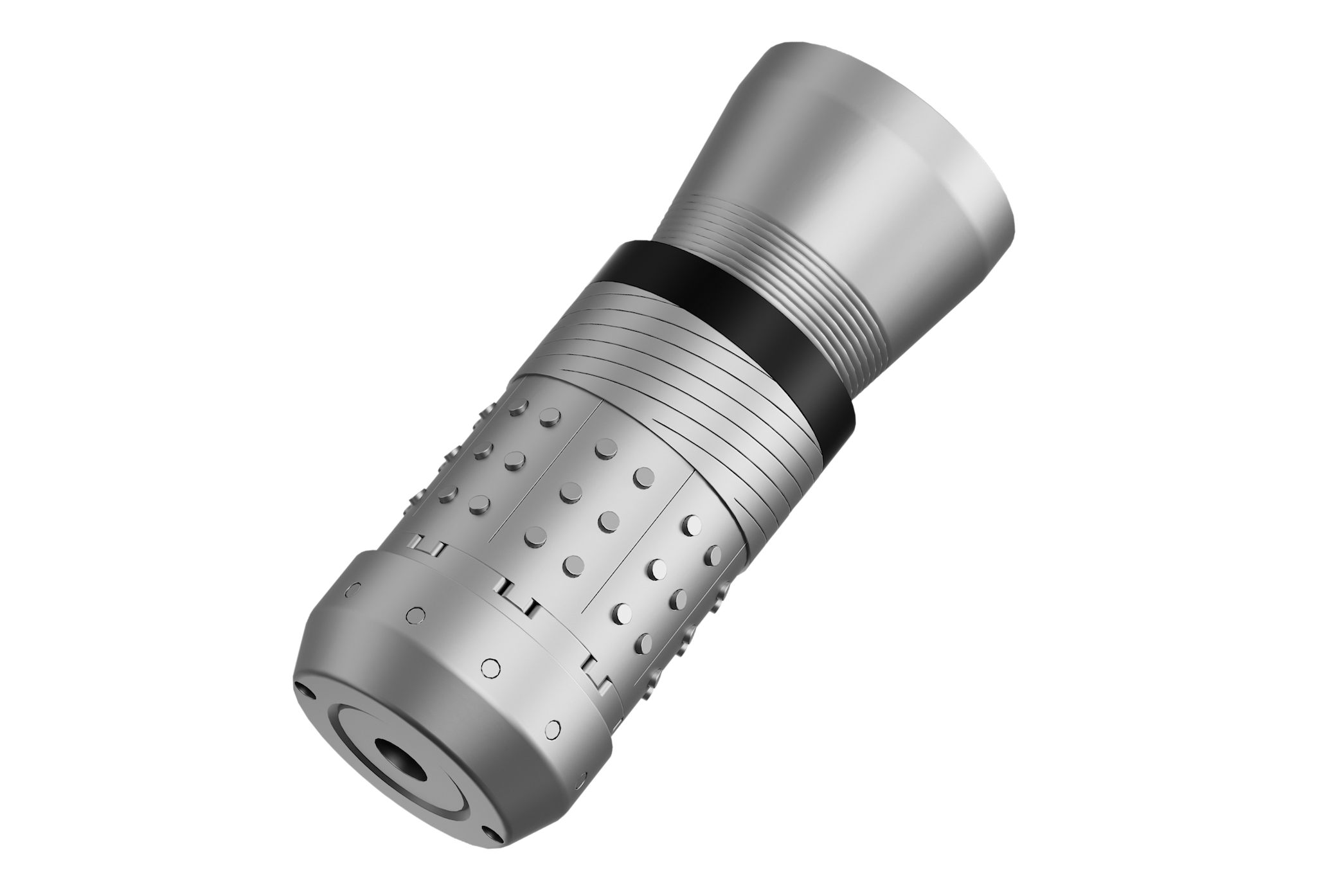
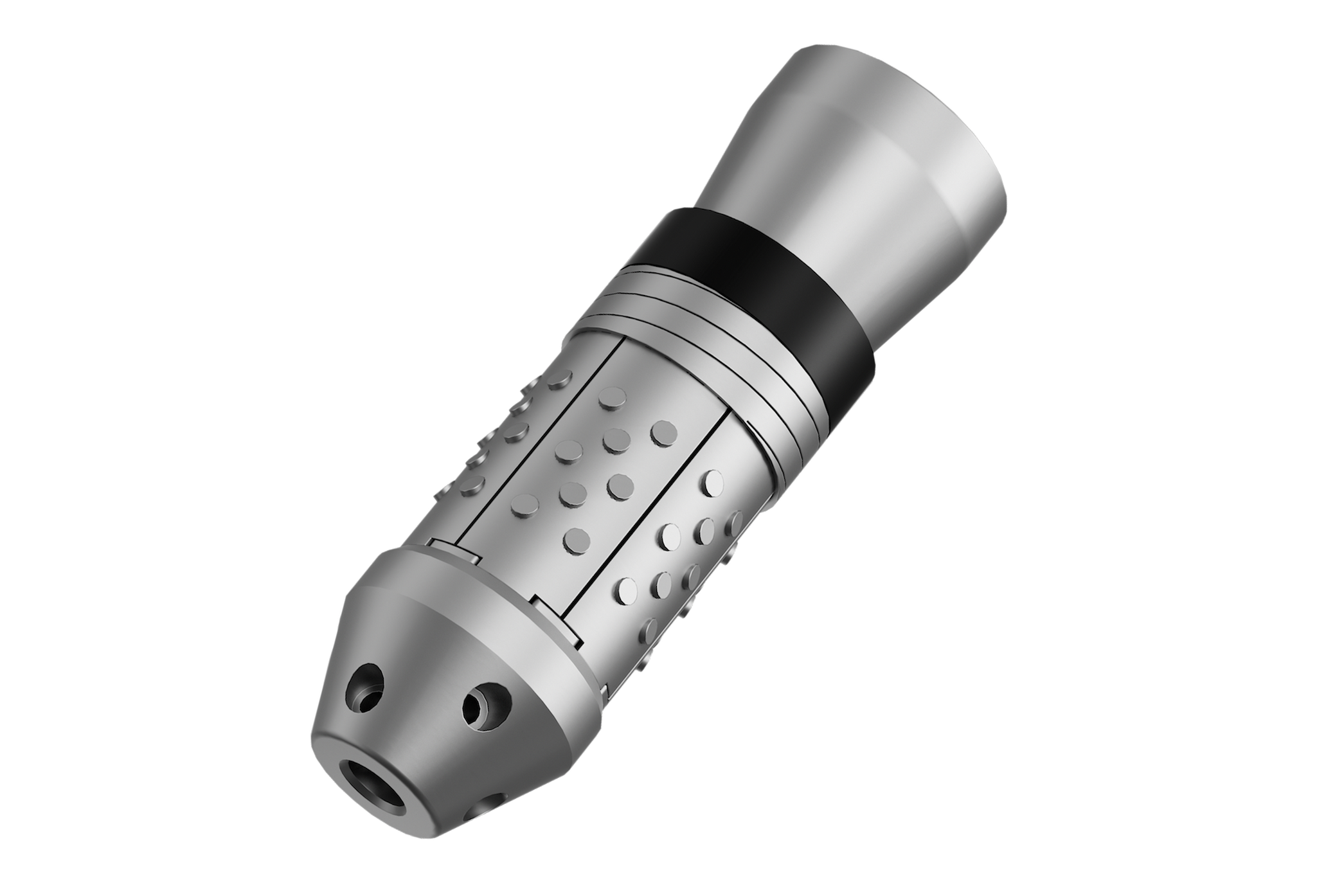
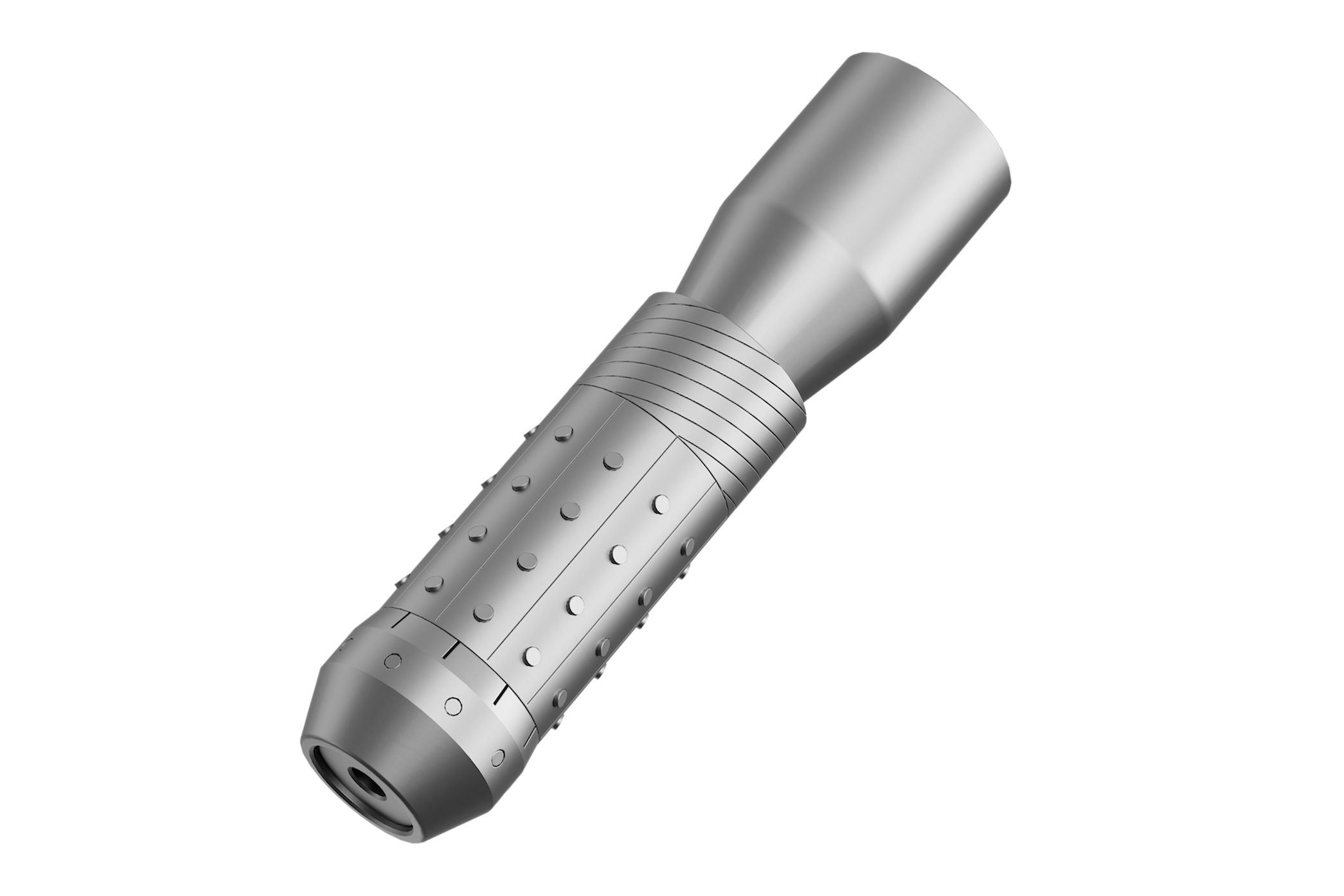
A phenomenal transformation is being experienced by the completion landscape in 2026, and this transformation is a result of the necessity to be efficient in evermore complex unconventional reservoirs. Although numerous technologies have tried to dethrone it, the Plug and Perf technique is still the benchmark in multistage hydraulic fracturing. But the future of this technique is no longer merely that of mechanical isolation, but of the continuous combination of automation, material science, and real-time intelligence. The next generation of oilfield productivity is being characterised by the development of Plug and Perf as operators seek longer laterals and increased stages.
The Intelligent Automation and Auto-Pumpdown Rise
The clearest change in Plug and Perf operations is the change from manual and fully automated control systems, which are closed-loop. Previously, the pumpdown process of conveying the plug and perforating guns into the wellbore depended entirely on the instinct of the wireline operators and the pump operators. This has today become a meticulous science with the aid of AI-driven services. Automated pumpdown systems have been installed to synchronize fluid pumps and wireline units in real-time to maintain the fluid pump speed and pressure to avoid tool string stalls or cable tension problems. Such automation reduces the risk of expensive "fishing" tasks and the amount of fluid needed to transfer the tools, which directly affects the bottom line.
Developments in Dissolvable Plug Technology
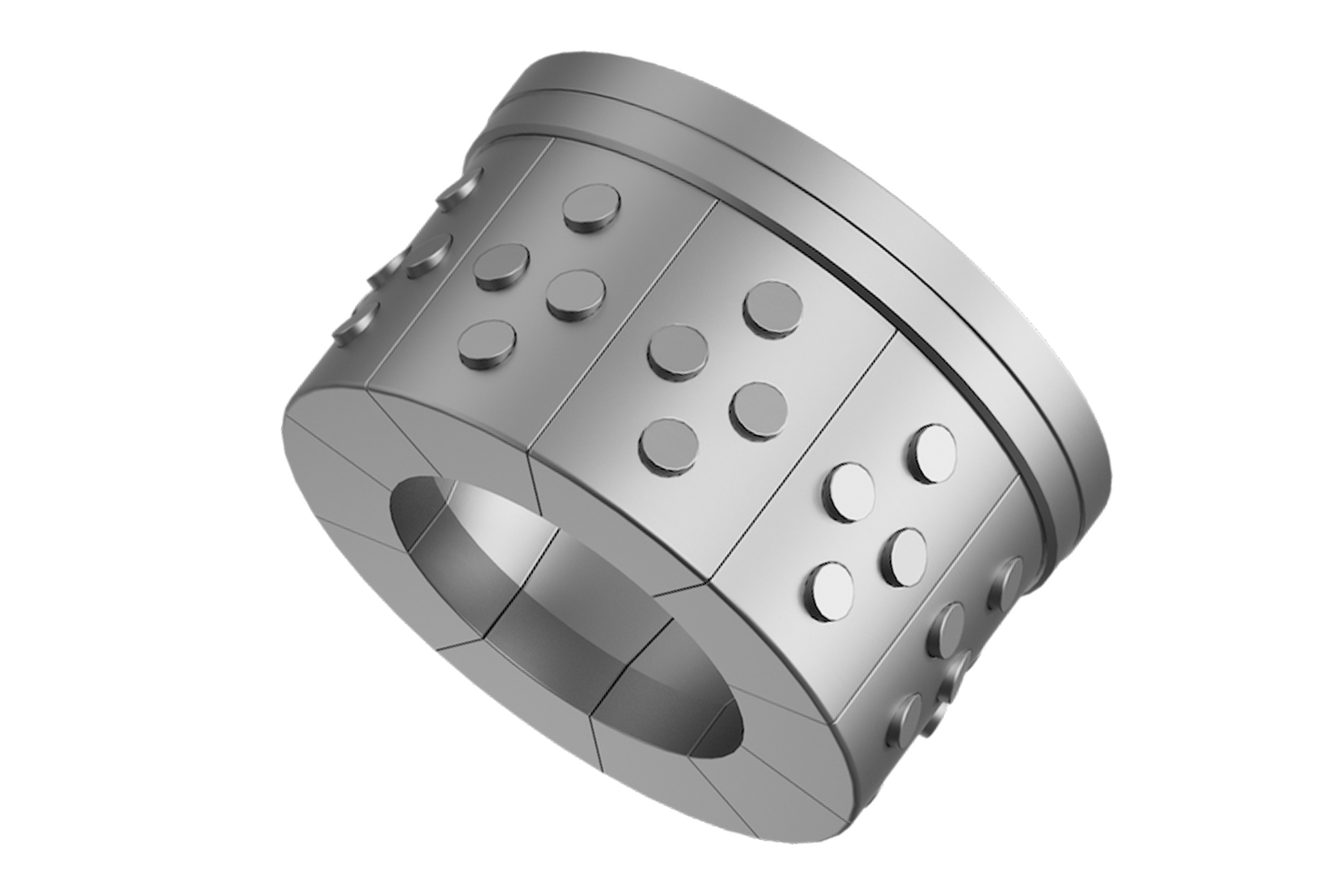
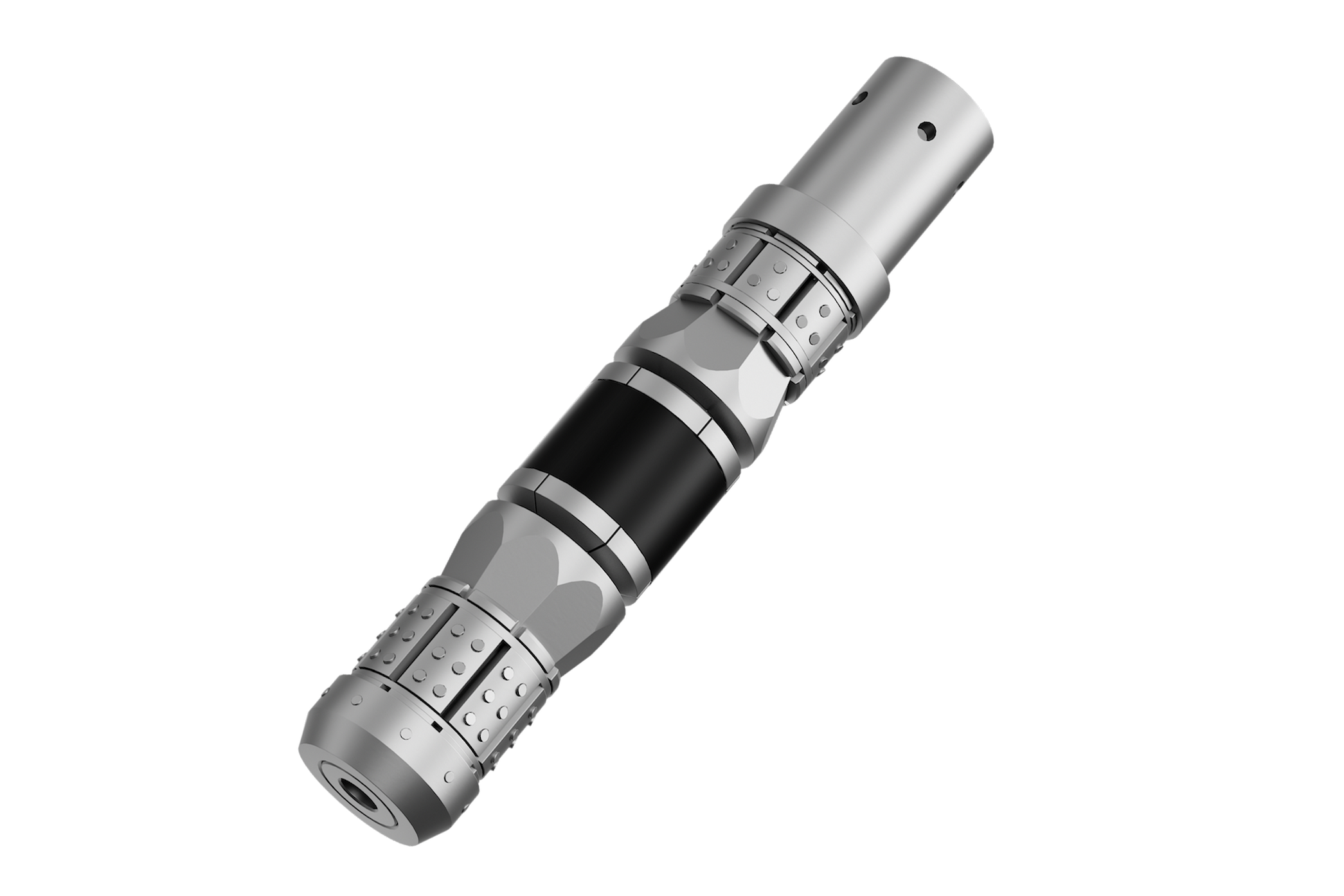
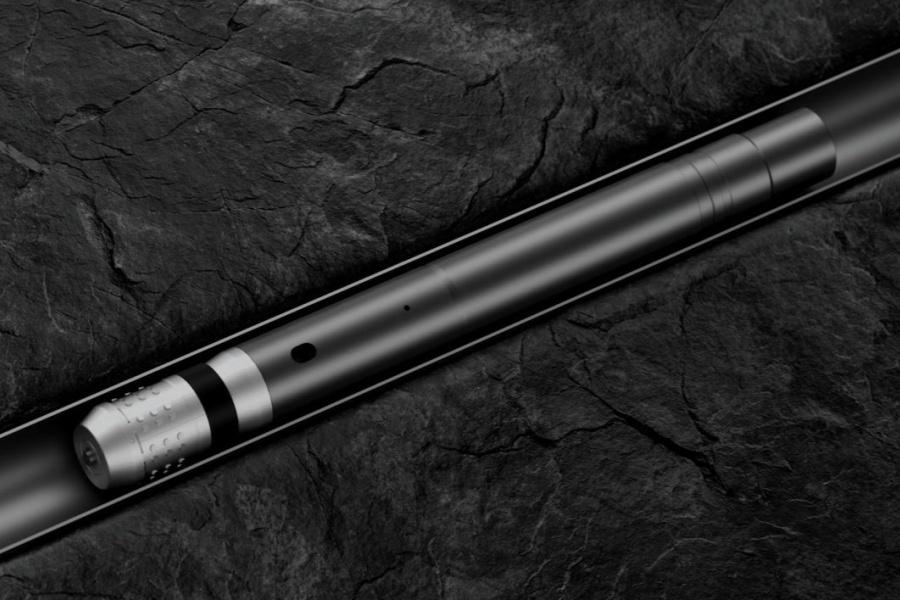
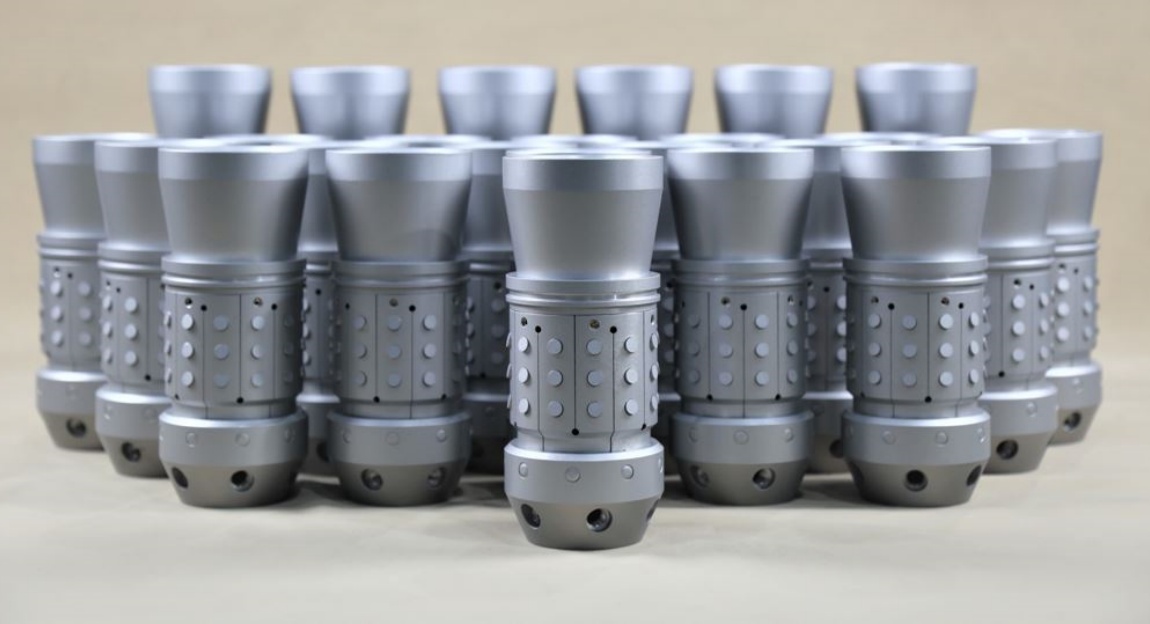
The biggest problem in Plug and Perf in the industry over the years was the mill-out stage. Once fracturing was done, it was necessary to drill composite plugs out with coiled tubing, which added days to the schedule and posed a high level of mechanical risk. The future is in dissolvable bridge plugs with high technology. High-strength magnesium alloys and degradable elastomers have now been designed to withstand extreme temperatures and pressures of up to 150 C temperature, and to completely dissolve in wellbore fluids. This interventionless method avoids the necessity of post-frac cleanouts to allow wells to be brought online much more quickly, and also decreases the operational footprint.
Clustering Efficiency by Real-time Diagnostic
A common criticism of conservative Plug and Perf was "heel-bias," in which the closest clusters of clusters to the well-head would receive the majority of the fluid and proppant, and the toe would not be stimulated. This is overcome by the future of this technology,y which is in high-fidelity diagnostics. Combining fiber-optic sensing and sophisticated acoustics, now engineers can put in place fluid distribution in each and every cluster of a stage in real-time. Such information may be used to introduce designs with Extreme Limited Entry (XLE), wherein the size and number of perforations are refined in order to have a balanced network of fractures. The consequence is a more homogeneous contact of the reservoir and a great increase in the estimated ultimate recovery.
Extreme Laterals and HPHT Well Engineering
The mechanical stress on Plug and Perf equipment has increased as the industry transitions to so-called super-laterals of more than 15,000 feet. The new generation of tools is also being designed to operate in high-pressure, high-temperature (HPHT) conditions. These tools have shorter and sturdier designs that bypass narrow curves in the wellbore and do not compromise integrity. The use of materials like special coatings and non-corrosive alloys ensures that, despite the most demanding chemical conditions, the plug remains stable during the aggressive frac and then fractures the minute it is needed. Such dependability is necessary in preserving the integrity of wellbores in the most difficult shale plays in the world.
Sustainability and Environmental Footprint
The industry is also committed towards environmental, social, and governance (ESG) objectives,s which are also shaping the future of Plug and Perf. The industry is greatly decreasing the carbon intensity per well by lowering the time to completions and also by removing the use of mill-out rigs. Moreover, automated systems are highly accurate, thereby saving a lot of fresh water and chemical additives applied in the stimulation process. By 2026, it aims for green completions, which will see each stage maximized to produce the finest output, and at the same time, reduce physical and environmental impact on the surface.
About Vertechs
Vertechs is the first company to offer high-performance completion and drilling solutions. Our experience is in uniting high-tech downhole instruments with computerized smartness to empower our allies. In innovation, we make sure that all our supported operations are safer, faster, and more efficient. We are your future of energy.
Frequently Asked Questions
1. What is the principal benefit of dissolvable plugs?
They avoid coiled tubing mill-outs, cut down on the completion time and costs, and eliminate the mechanical risk of leaving behind debris in the wellbore.
2. What are the benefits of automating wireline?
Automation allows the establishment of a closed-loop system, which controls the pump rates and line tension so that equipment failures and the correct delivery of the tool string to the target depth can be avoided.
3. What is the significance of cluster efficiency in plug and perf?
Stable cluster efficiency will guarantee the overall section of the reservoir is uniformly stimulated to eliminate any wasted fluid and optimize oil and gas recovery out of the well.
4. Is there a possibility of using plug and perf in high-temperature wells?
Yes, today, modern tools and dissolvable materials are particularly designed to ensure their structural integrity even at HPHT conditions of more than 150 o C and 10000 psi.
5. Does technology contribute to the reduction of carbon emissions?
It will decrease the fuel consumed and the emissions emitted by the onsite equipment by reducing the number of days it takes to complete and by removing the post-frac interventions.
Read Our One More Blog(1): Benefit from Big Data Analytics in the Oil and Gas Industry
Read Our One More Blog(2): Revolutionizing Well Completions: The Synergy of Plug and Perf with Advanced Well Packer Systems