-
Home
-
Products & Services
-
Dissolvable Plugs
 Fast Drill Plugs
Integrated Completion Systems
Fast Drill Plugs
Integrated Completion Systems
-
Intelligent Rotating Control Device
Intelligent Well Control
-
Intelligent Fluids Monitoring
Real-Time Wellbore Monitoring & Strengthening
Unconventional Completion & Dissolvable Technology
Featured HighlightsIntelligent Pressure Control Technology
Featured HighlightsIntelligent Fluids Monitoring Technology
Featured Highlights -
-
Vertechs Share
-
News
-
QHSE
-
About Us
-
Contact Us






Loss Circulation in Drilling: The Role of Real-Time Wellbore Strengthening
2026-05-21
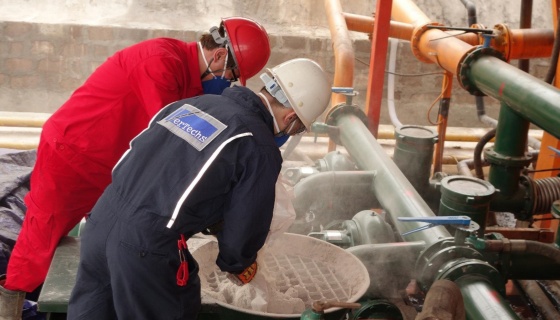
Loss circulation in drilling is arguably the most difficult and expensive problem encountered during such operation. Loss circulation occurs when the drilling fluids are lost to the formations rather than received to the surface through the annular space. Loss circulation can be responsible for the non-productive time, increase in logistics cost, wellbore instability and even a serious well control incident. With the increase in drilling complexity there is a move towards real time wellbore strengthening.
Understanding Loss Circulation in Drilling
Loss circulation in drilling occurs when the hydrostatic pressure of the fluid is higher than the formation fracture pressure. As a result, the fluid will be lost into natural cracks, vugs and highly permeable zones. Losses (fluid being lost to the formation) can vary from a small bleed off of returns to a complete loss of all returns.
In extreme situations this can cause operations to be suspended and remediation required. Loss of circulation often occurs in fractured carbonates, depleted reservoirs and weak formations where the formation can not sustain high pressure.
Common Causes of Loss Circulation
By far one of the biggest reasons for loss of fluids in naturally fractured formations. These formations tend to have paths along the fracture into the formation allowing fluid into it. Also, high porosity formations could have a large quantity of fluid if the formations can take it leading to high formation permeability.
Another primary contributor is too high equivalent circulating density. If the circulating mud weight gets too high by the increased pressure it can prop fracture the formation and start loss circulation. Incorrect mud weight and inadequate pressure control are also key contributors of loss drawing.
Mechanical factors such as surge pressure during pipe movement can further weaken the formation and increase the likelihood of fluid losses. In many cases, multiple factors combine to create challenging loss circulation conditions.
Impact of Loss Circulation on Drilling Operations
Loss circulation can be very damaging operationally and financially. The negative operational impacts through loss of expensive drilling fluids and the consequent increase in costs is perhaps the most immediate impact of loss circulation. Loss of expensive drilling fluids with ongoing replacement dramatically increases costs.
Another serious problem that is caused by working in the deepwater environment is wellbore instability. When drilling fluid leaks into the formation it can reduce the hydrostatic pressure in the wellbore.
This can cause the well to collapse or the formation fluids to invade the well. This can result in a kick and well control incident. Non-productive time is increased due to loss of circulation as well. Work must be halted to allow engineers to regain circulation with certain materials or procedures. This stops work at the time it is happening, but it also lengthens the project time.
What is Real-Time Wellbore Strengthening?
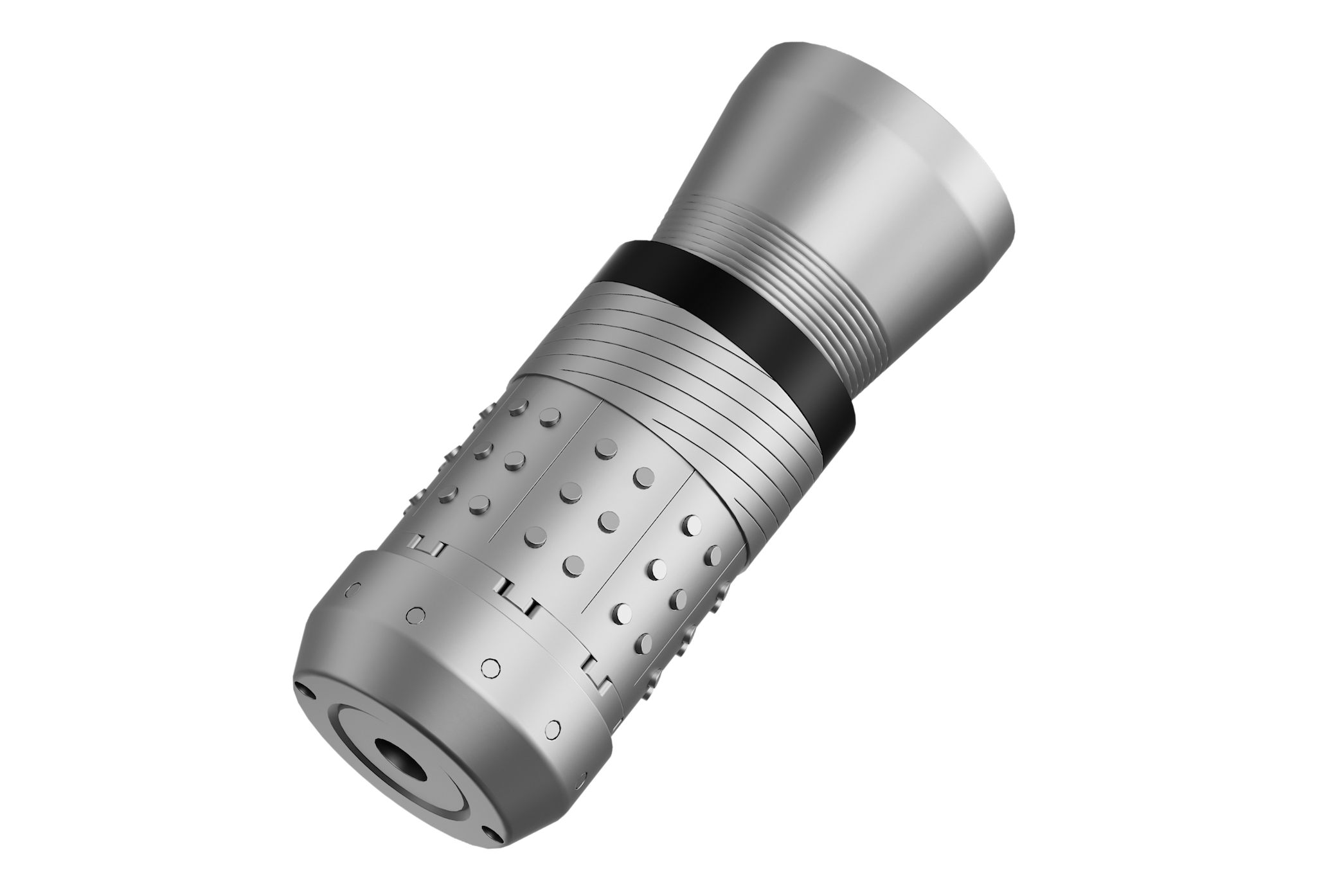
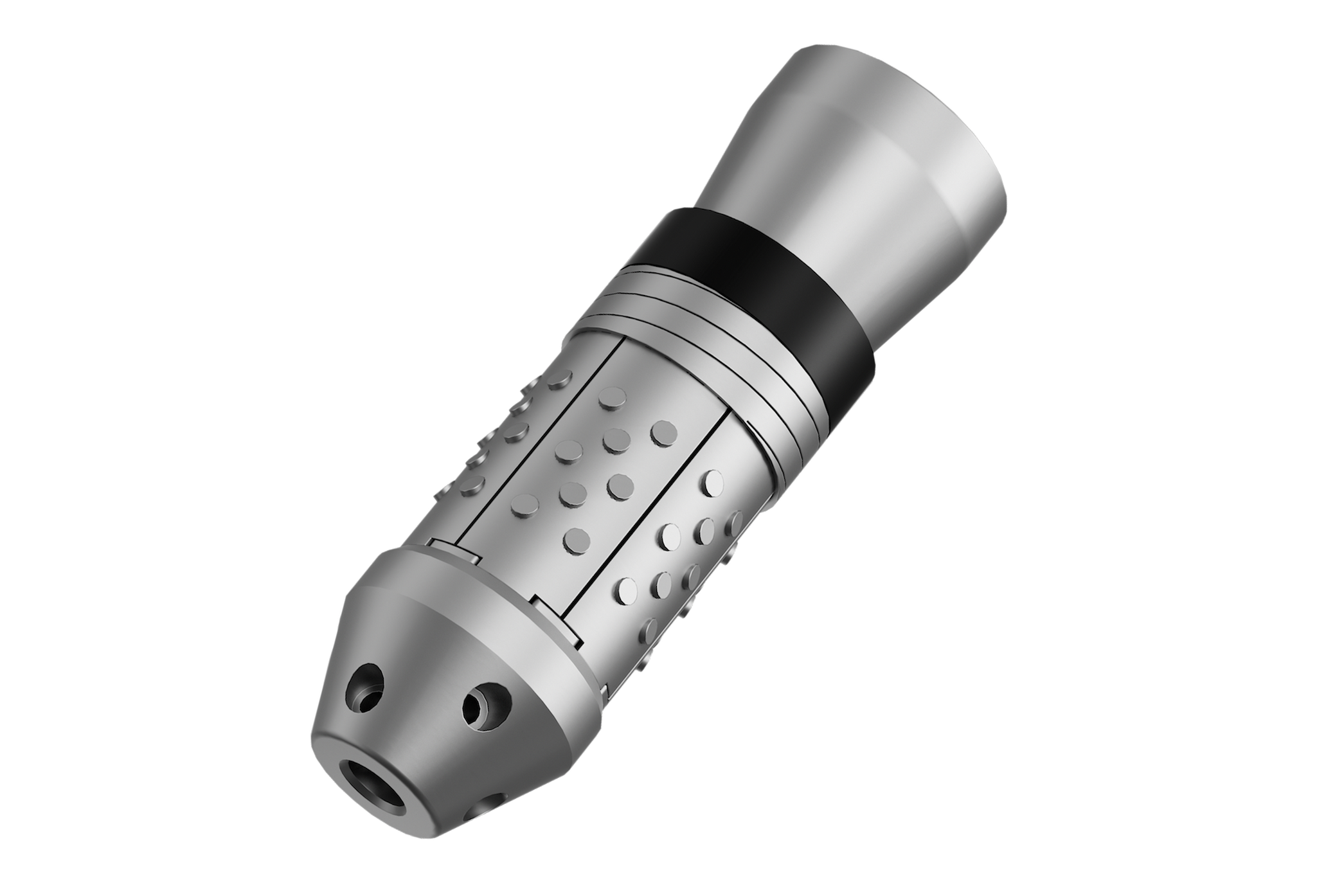
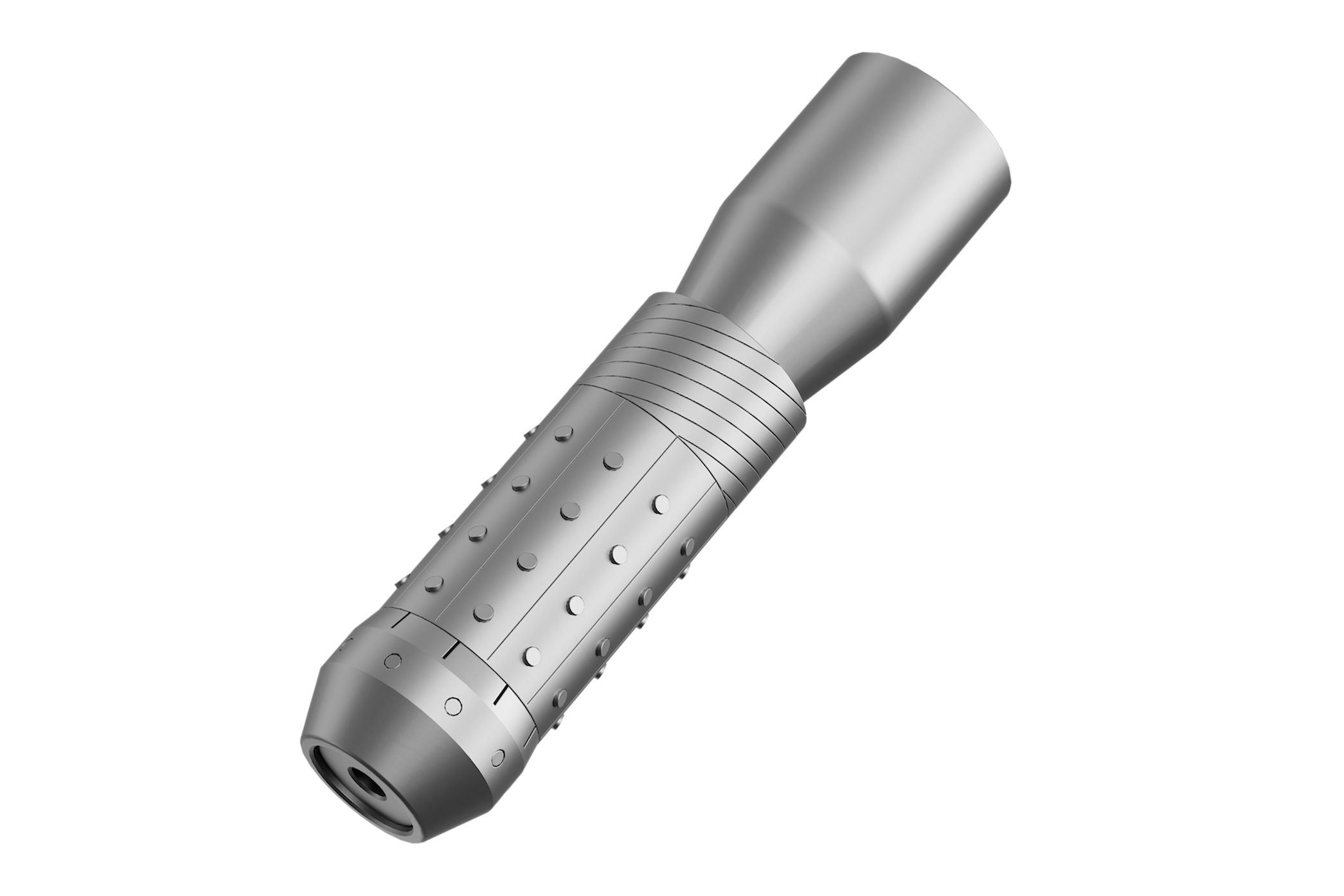
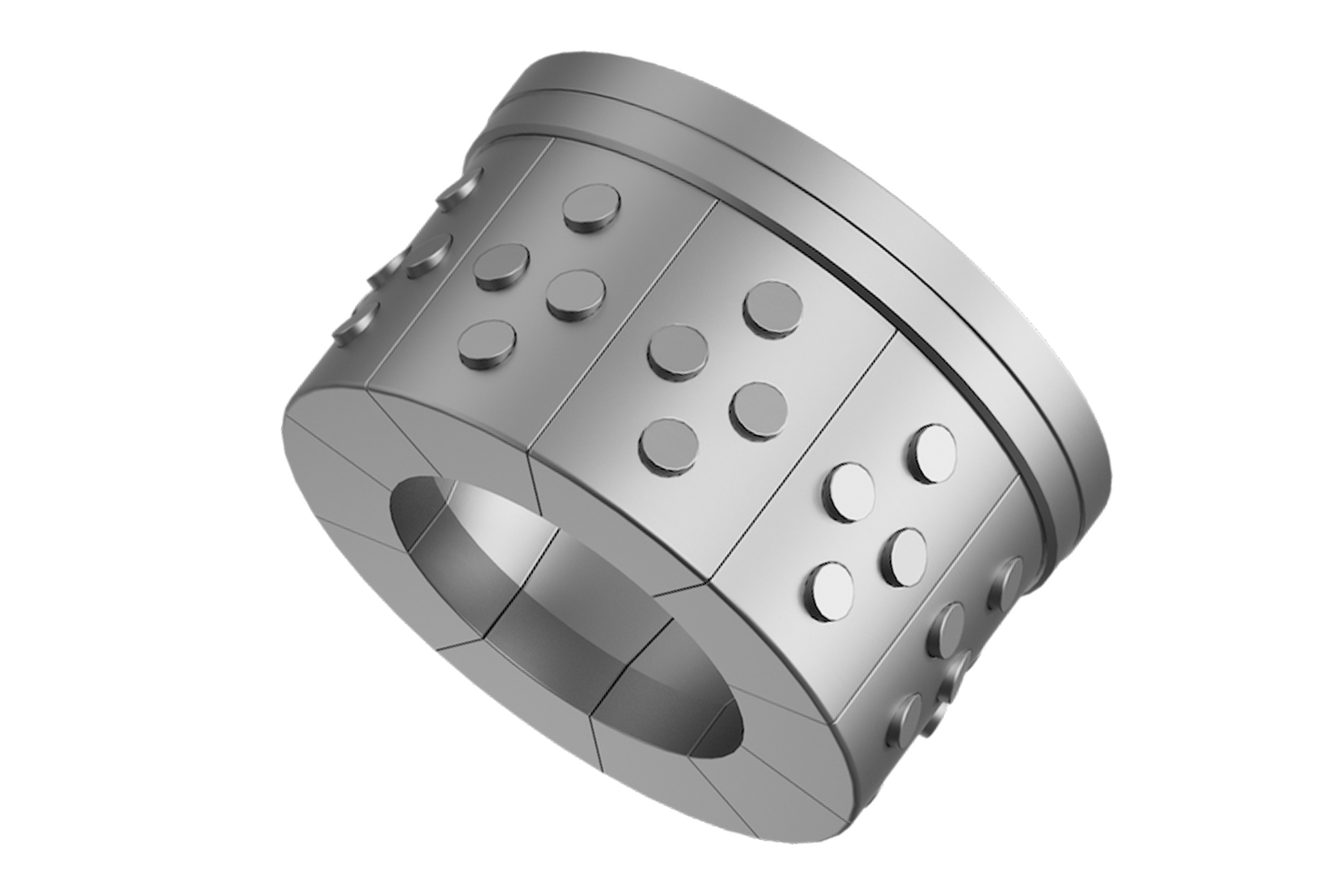
Real time well bore strengthening is an improved technique of strengthening the weak zones while drilling the well bore. The idea of strengthening the weak zone is not to react to the fluid losses but to act before the fluid losses occurred.
This systematic process involves the constant monitoring of downhole conditions and because of this the distribution of drilling parameters and fluids. Thereby by injecting reinforcing agent into the drilling flow to mitigate loss epicenter and reinforcing potential weak formation.
Role of Real-Time Monitoring in Wellbore Strengthening
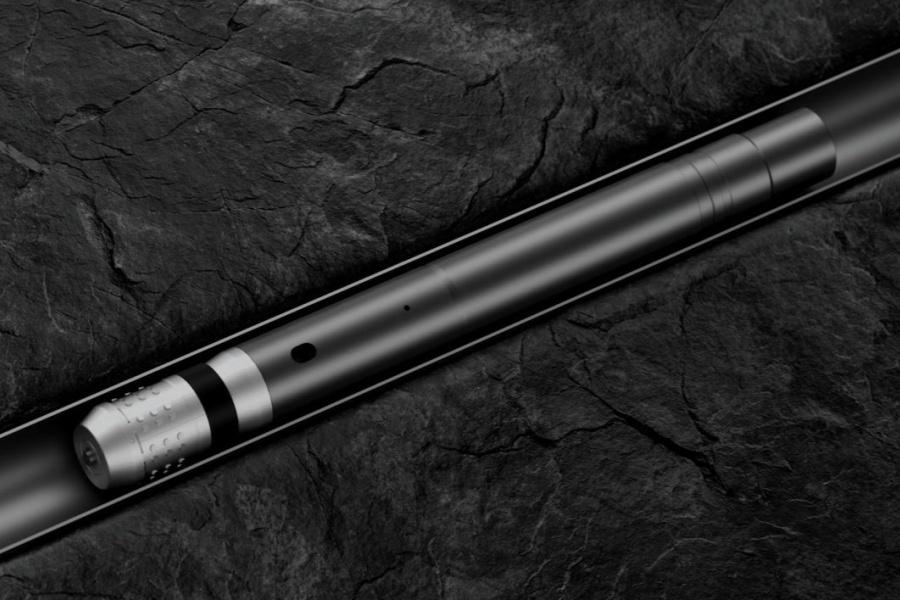
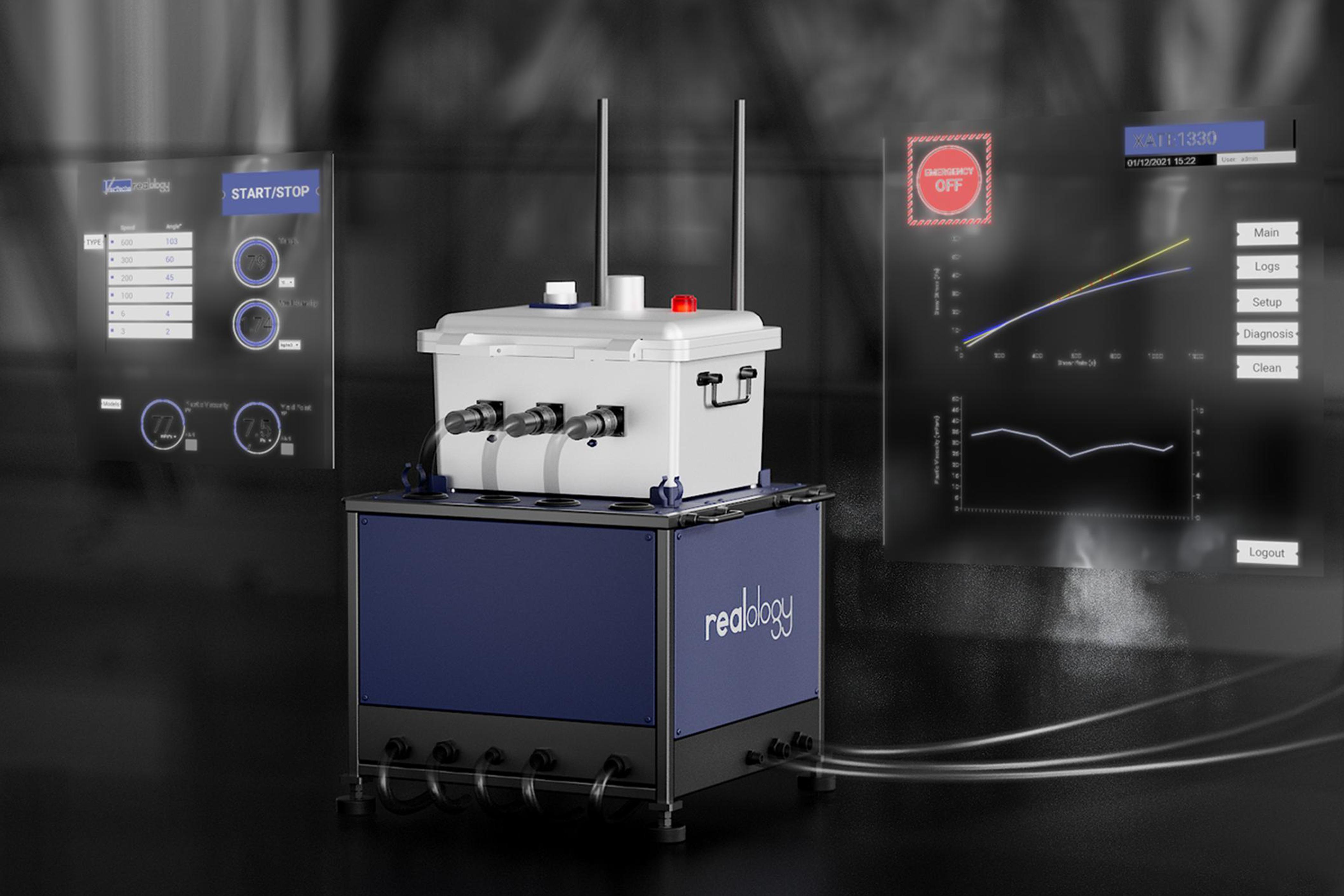
Contemporary drilling companies utilize high-tech sensors coupled with sophisticated data analysis programs to provide real-time regulation of pressure, fluid response, and the reaction of the formation. This constant observation enables engineers to alert what they believe to be the onset of great formation weakness, and fluid loss.
Immediate adjustments can be made by the drilling crews by analyzing parameters such as equivalent circulating density, flow rate and bumps in pressure to prevent serious loss circulation and optimize drilling performance.
In addition, the real-time systems aid in the optimization of the placement of wellbore strengthening materials. The real-time data can help realize the accurate treatment at the right time.
Materials Used in Wellbore Strengthening
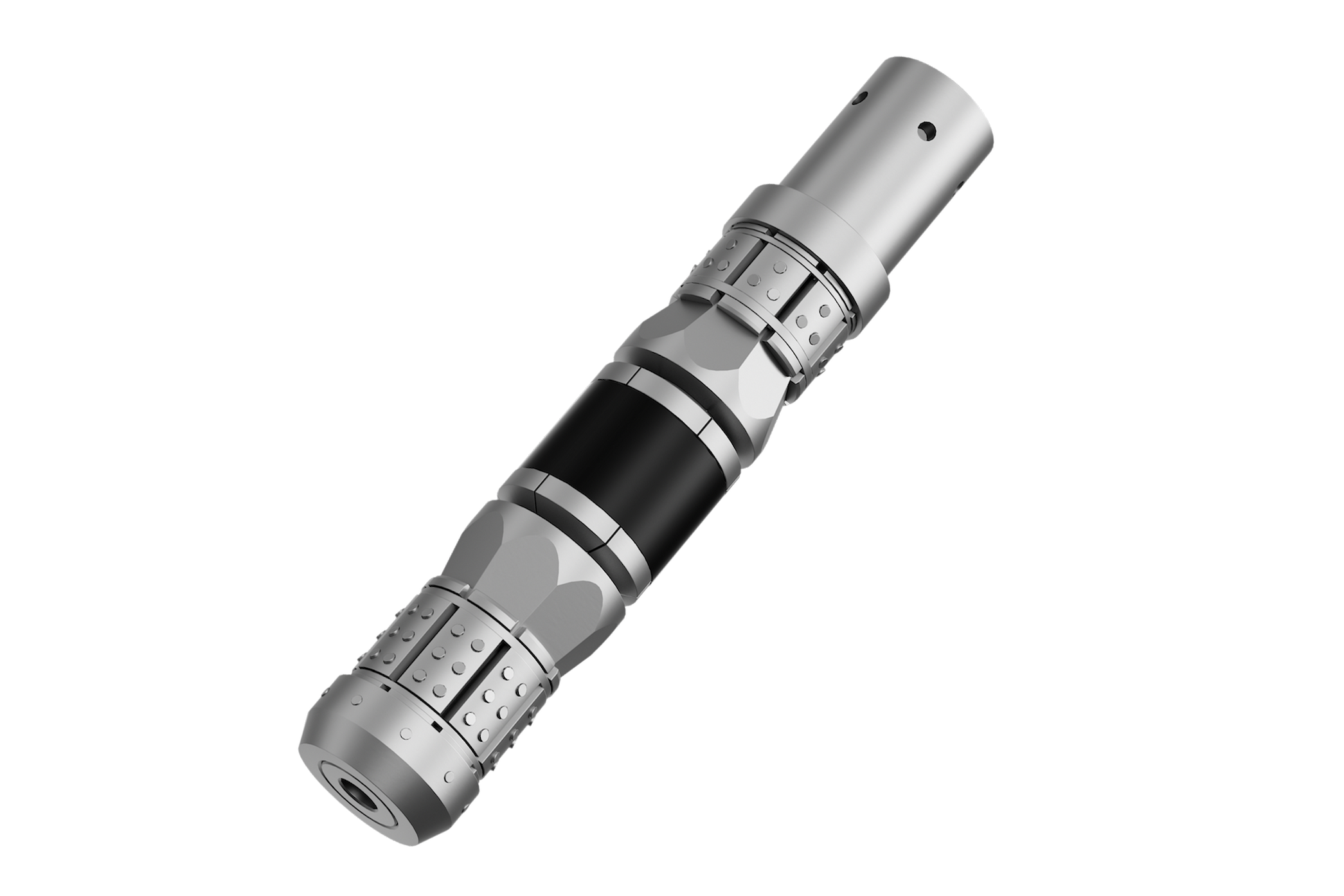
The process of strengthening the wellbore involves getting the pack off specially engineered materials to seal fractures and strengthen weak formations. These materials consist of bridging compounds, deformable particles and fibrous additives.
These materials once incorporated into the mud, bridge the fractures and pore spaces of the formation preventing further loss to the formation.
The quality and success of the treatment is established by the selection of the correct material combination suited to the formation properties and drilling parameters. Refined formulations are now being created that can offer more flexibility and endurance at high pressures and high temperatures.
Benefits of Real-Time Wellbore Strengthening
Advantages of real time wellbore strengthening loss circulation. One of the main advantages of real time borehole strengthening is to eliminate or minimize the loss of fluid. Eliminating or minimizing the loss of circulating fluid can reduce the cost of drilling and optimize the economy of the operation. Improved well bore stability is also a benefit.
By doing this it will help prevent weak formations from collapsing, plugging the well, getting stuck pipes and more well control problems. This method also allows the unproductive time to be saved by limiting the remedial treatments, shock periods and/or iterations of circulation. Both rapid progress of drill progress and enhanced safety make it popular.
Future of Loss Circulation Management
The end of easy loss circulation management in drilling is sure to come with further automation and the increased use of prediction devices. Artificial intelligence and machine learning are now being employed in drilling systems to predict formation response behavior and adjust wellbore strengthening strategies because of this. With these advancements, drilling companies will be able to plan for more proactive drilling, utilizing warnings and mitigation techniques to not only reduce risks but also increase efficiency even in harder, more challenging formations. As technology continues to progress, real time wellbore strengthening is anticipated to become commonplace in modern drilling.
About Vertechs
At Vertechs, we are leaders in providing intelligent drilling solutions to complex problems including loss circulation in drilling. By working from our technical understanding, intelligent fluids systems and monitoring systems, to enhance wellbore stability and reduce well time, we are able to offer a safer, more reliable and cost effective drilling performance.
Frequently Asked Questions
1. What loss circulation is in drilling?
During drilling, what exactly happens when fluid that has been pumped downhole fails to return up the annulus as planned?
2. What causes loss circulation?
This may be due to fractured formations, highly permeable zones, abnormal high pressures or low pressure within formation rock.
3. How does real-time wellbore strengthening work?
This technique entails using round-the-clock surveillance and special substances to shore up weak formations and prevent fluid losses while drilling.
4. Why is loss circulation dangerous?
The escape of drilling mud into the formation can result in a number of problems such as wellbore instability, increased cost, poor well control and non-productive time.
5. What materials are used for wellbore strengthening?
To block off fractures and reinforce formations, people use bridging agents, fibrous materials as well as deformable particles.
Read Our One More Blog(1): Revolutionizing Drilling Fluid Management with Vertechs' Intelligent Monitoring Solutions
Read Our One More Blog(2): How Dissolvable Plugs Are Revolutionizing Plug and Perf Operations