-
Home
-
Products & Services
-
Dissolvable Plugs
 Fast Drill Plugs
Integrated Completion Systems
Dissolvable Cement Retainer
Fast Drill Plugs
Integrated Completion Systems
Dissolvable Cement Retainer
-
Intelligent MPD Manifolds
Intelligent Rotating Control Device
Intelligent All-Electric WBP MPD System
Intelligent Valve Retrofit
-
Intelligent Fluids Monitoring
Real-Time Wellbore Monitoring & Strengthening
Intelligent Drilling Fluids Management
Unconventional Completion & Dissolvable Technology
Featured HighlightsIntelligent Pressure Control Technology
Featured HighlightsIntelligent Fluids Monitoring Technology
Featured Highlights -
-
Vertechs Share
-
News
-
QHSE
-
About Us
-
Contact Us

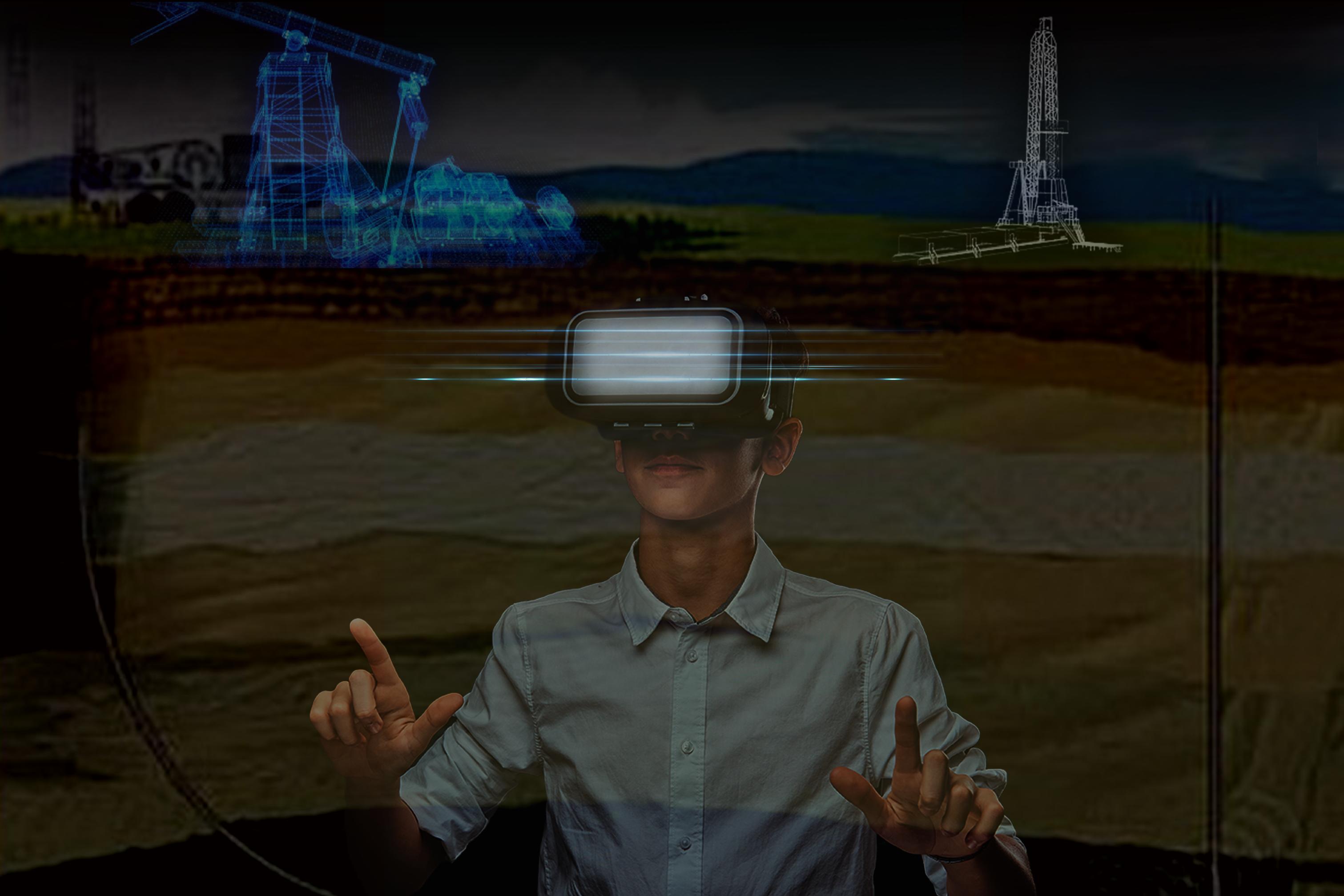
Mastering Well Control: How Vertechs Elevates Oil Drilling through Smart Equipment and Integrated
2026-02-06
In the world of oil and gas, well control is not simply a box to check — it is the lifeline of every drilling operation, the foundation that ensures safety, efficiency, and long-term success. When I think about what “well control” truly means, it brings to mind a fluid, dynamic balance: between geological pressure, downhole formations, drilling machinery, and human decisions. That balance becomes far more achievable when a company like Vertechs enters the picture — combining traditional oil drilling equipment and machinery with digital intelligence and real-time analytics to redefine what oil drilling really means.
Oil drilling, in its simplest “oil drilling definition,” involves creating a borehole deep into the earth’s subsurface rock to access hydrocarbons. Historically, this process relied heavily on robust mechanical oil drilling machines and oil drilling machinery — drill rigs, casing hardware, drilling fluid systems — and operators’ discipline. But as wells become deeper and geological formations more complex, conventional approaches often struggle to maintain well control under rapidly changing downhole pressures. Enter modern challenges: narrow pressure windows, unstable formations, unpredictable kicks, and the constant risk of blowouts or fluid losses. Without precise control, drilling can become both unsafe and economically inefficient.
This is where Vertechs stands out. As a global energy-technology company, Vertechs offers a comprehensive portfolio that unites oil drilling equipment, intelligent oil drilling machinery, and advanced well control solutions. Their emphasis on “one-stop digital application upgrades, AI engineering applications, and disruptive downhole technology products” means that oil drilling is no longer purely mechanical — it’s becoming smart, integrated, and adaptive.
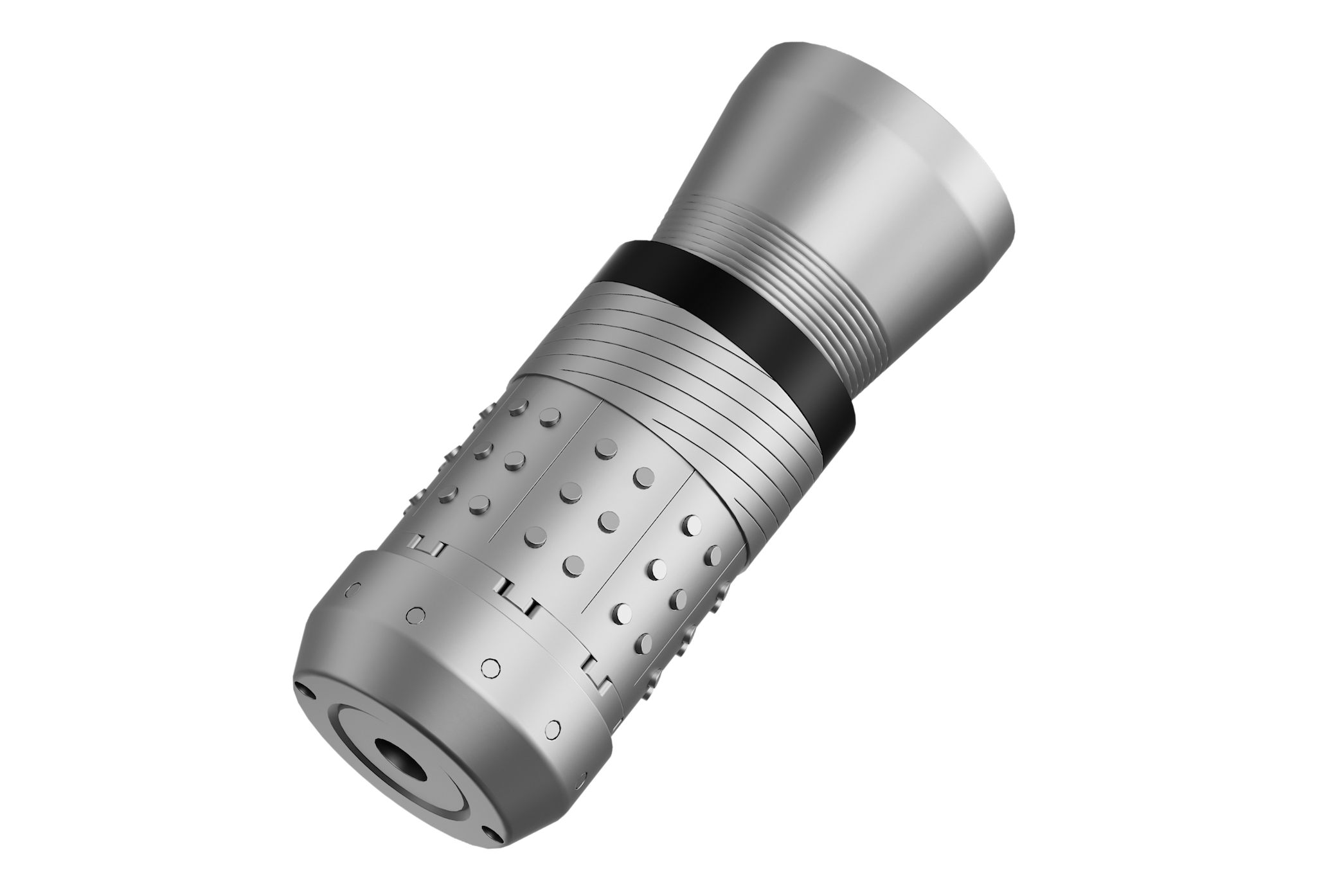
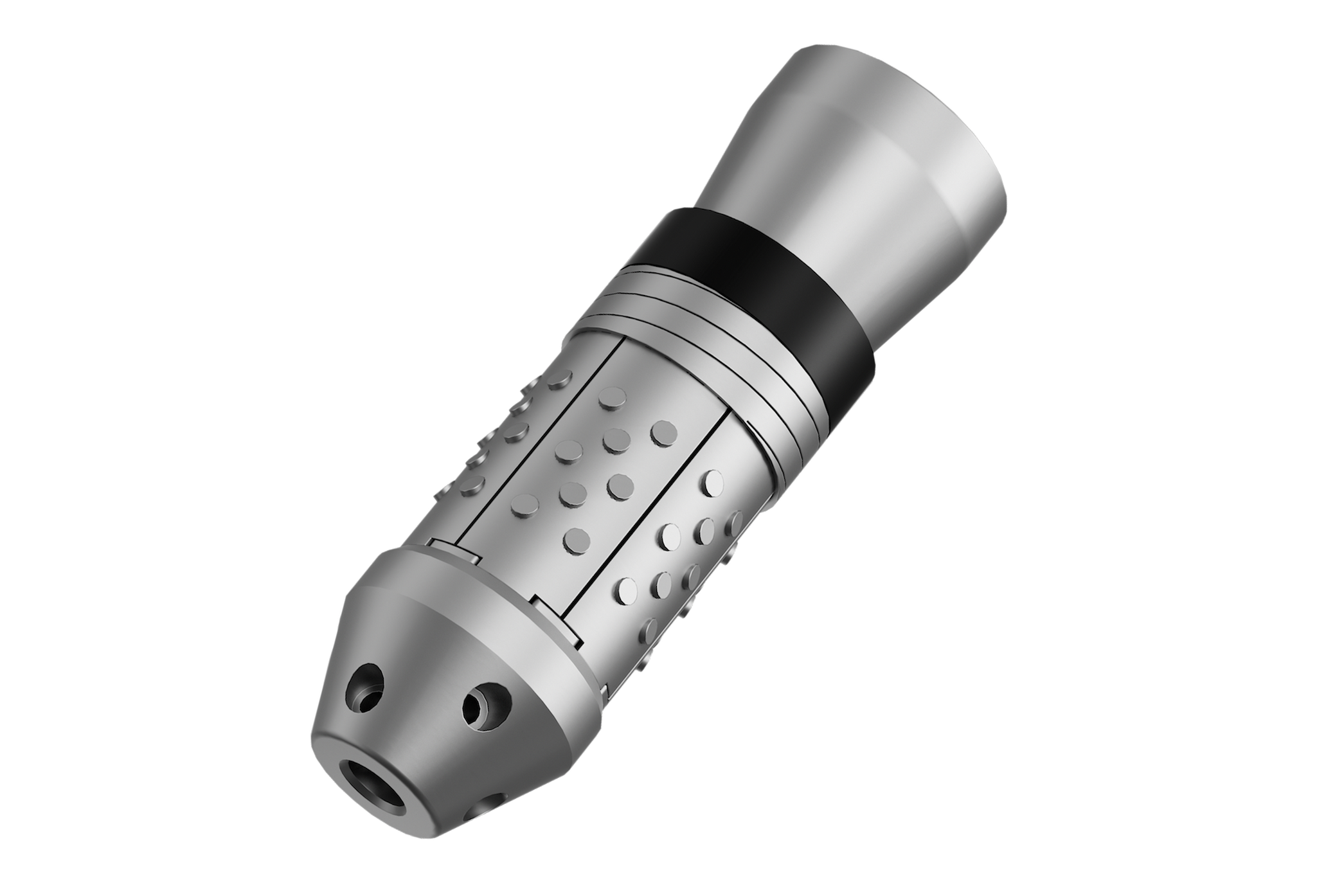
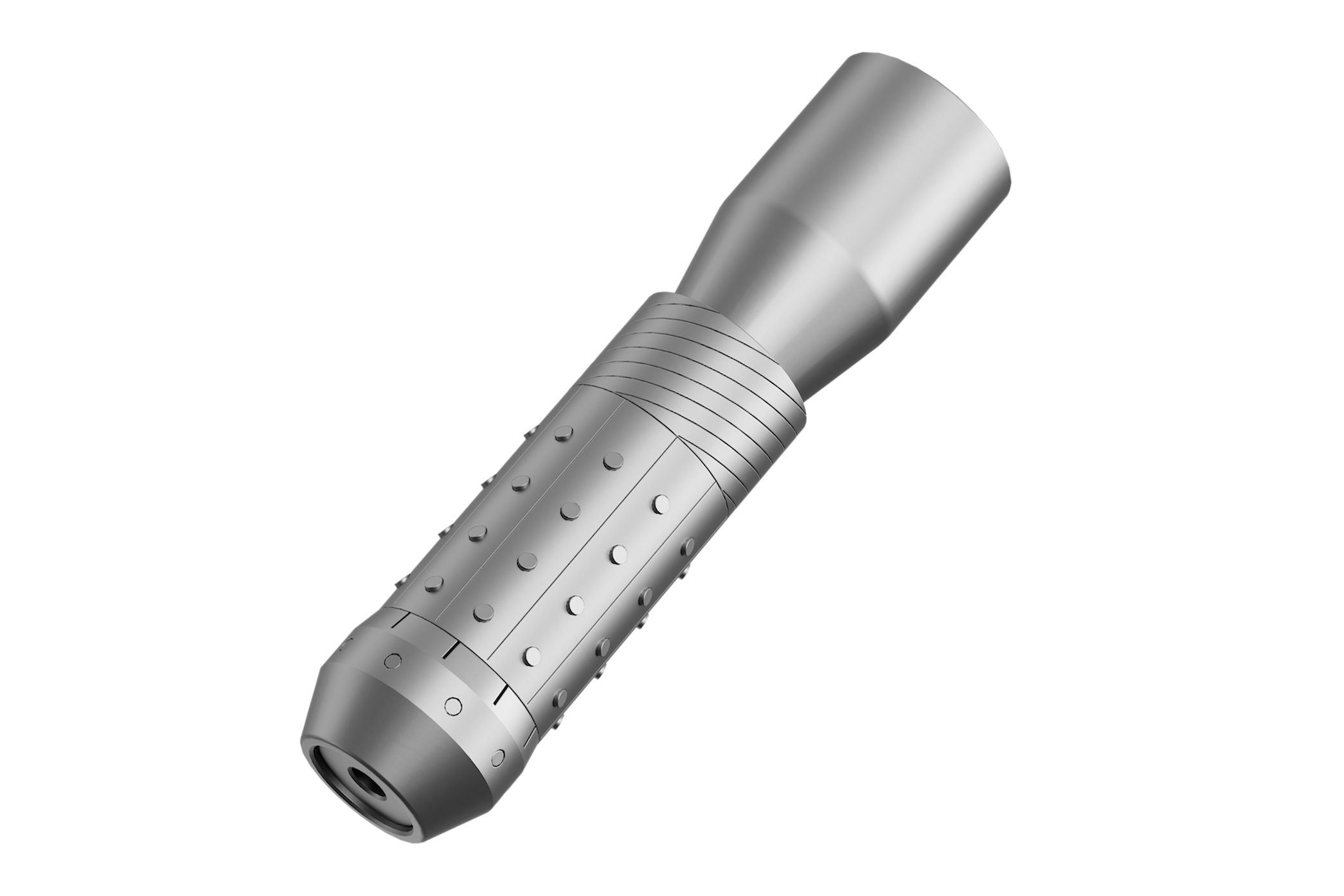
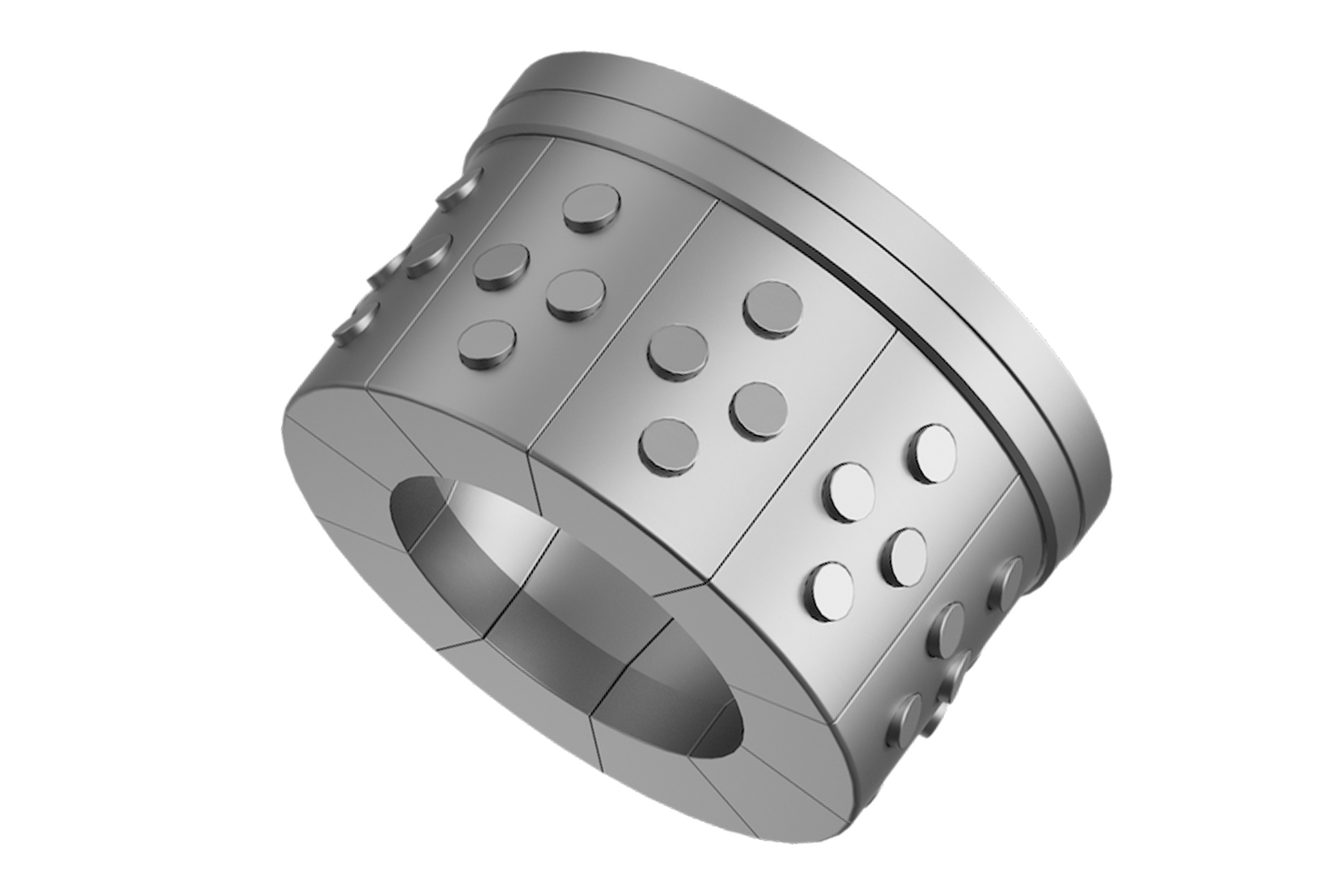
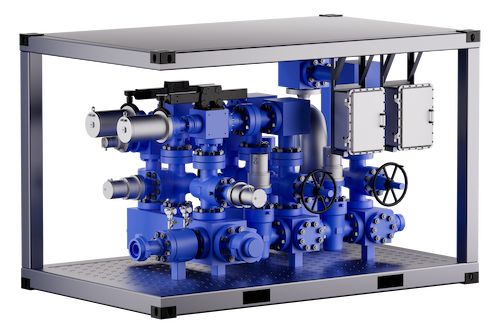
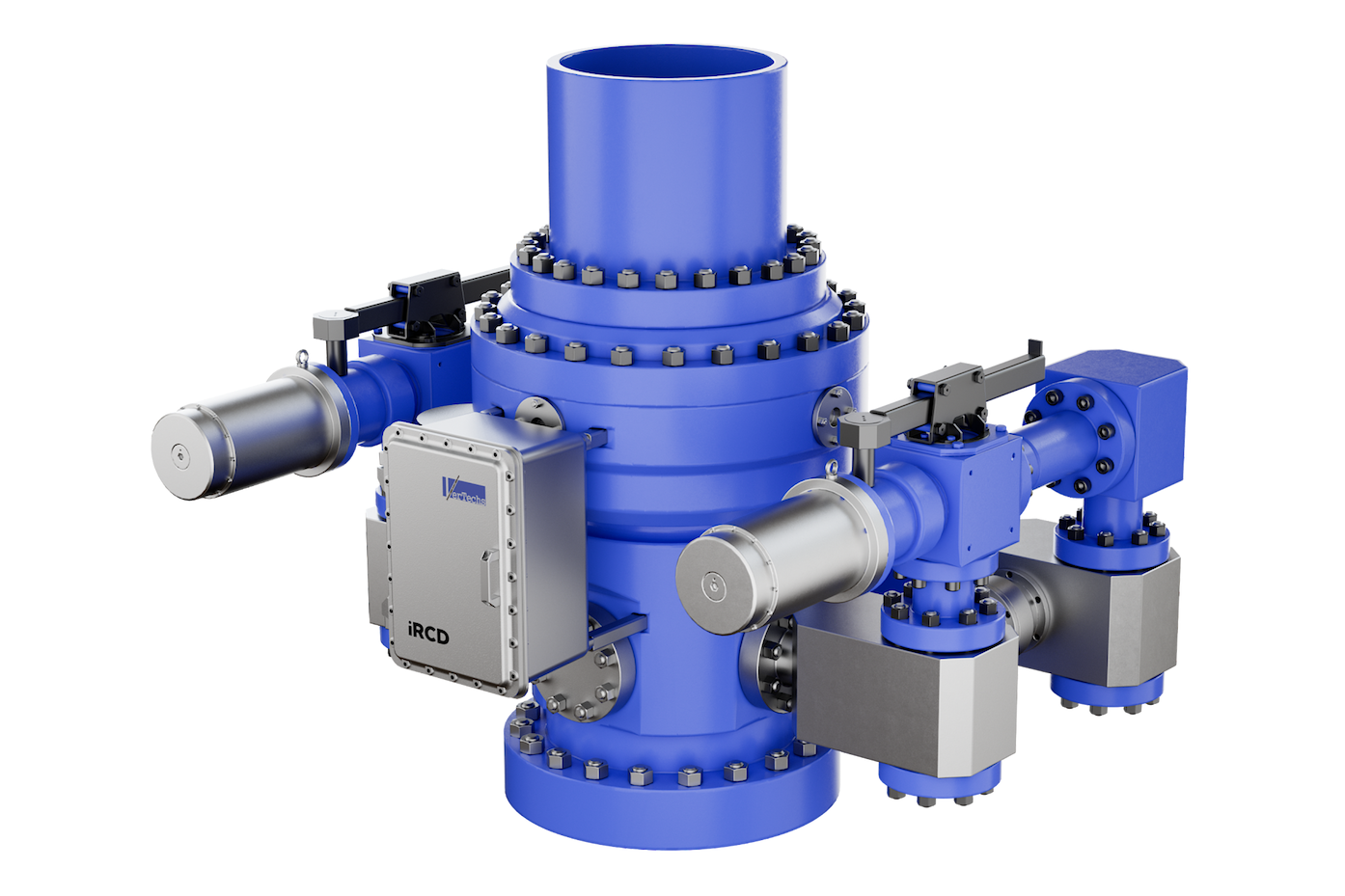
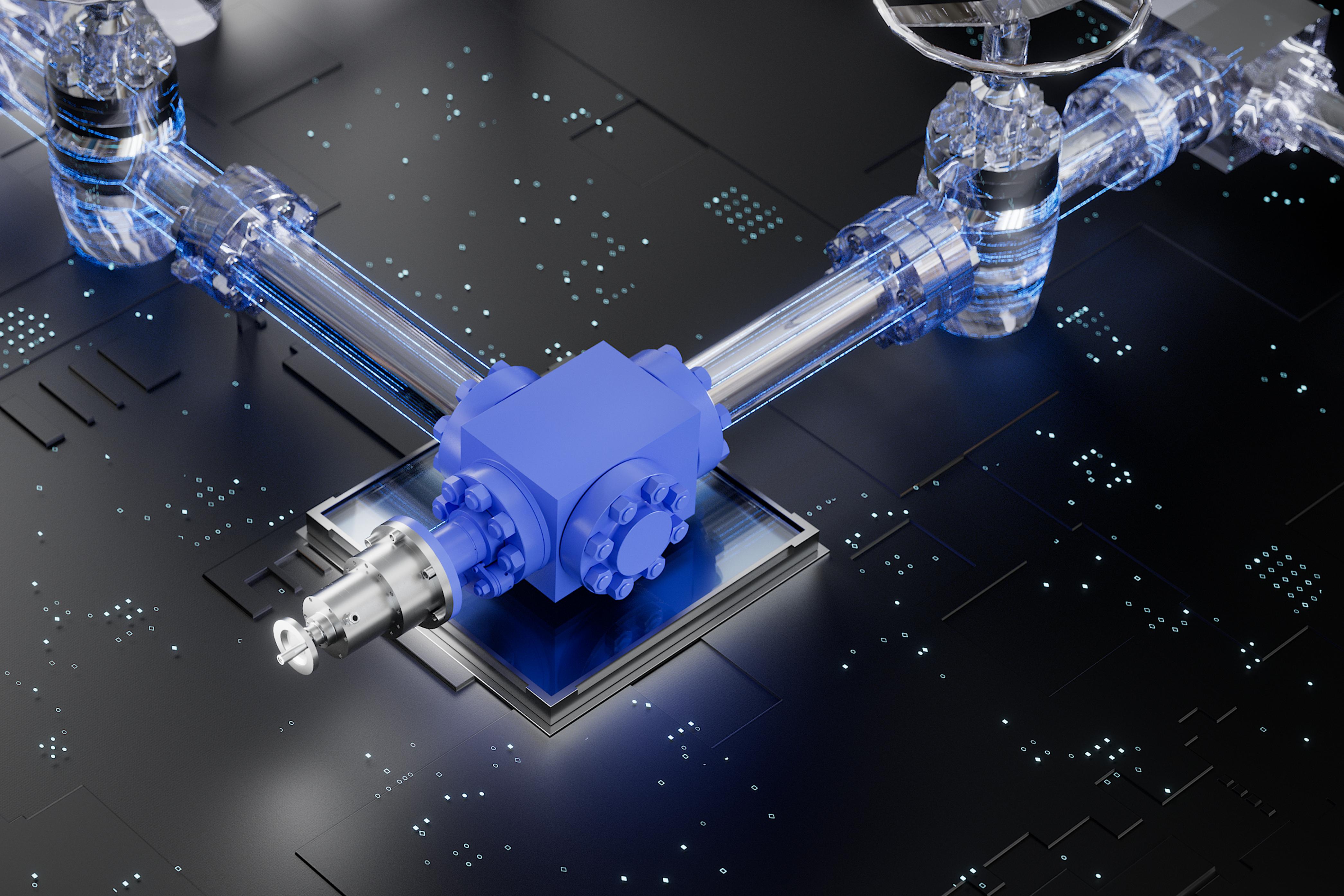
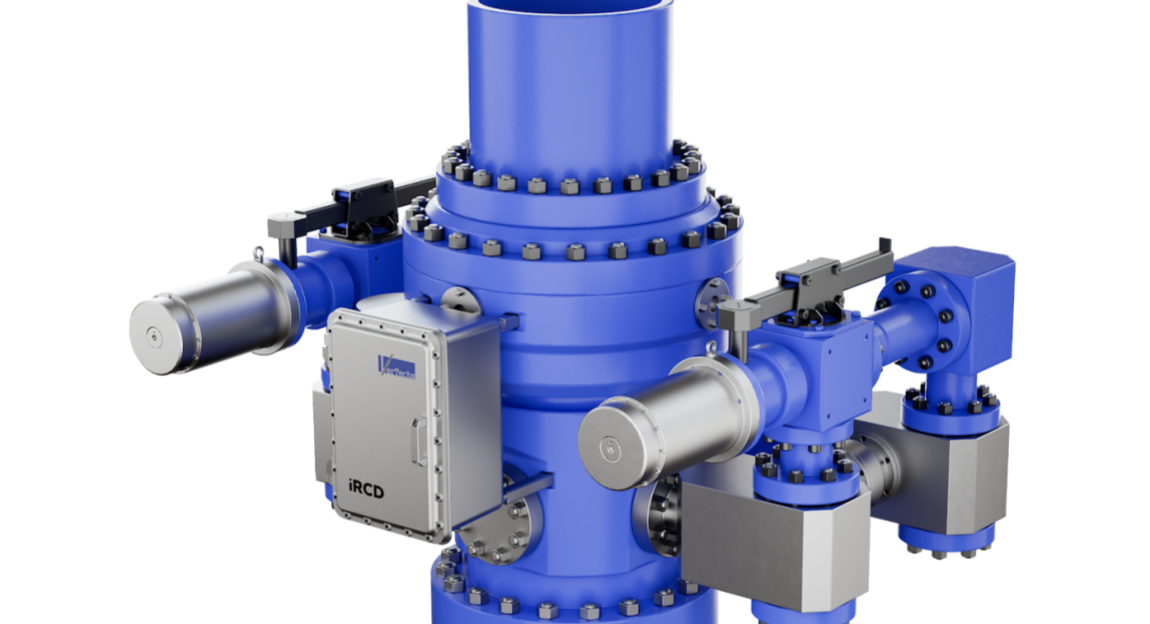
Take their IPC-MPD system (Intelligent Pressure Control for Managed Pressure Drilling). This is not just another piece of “oil drilling equipment.” It represents a paradigm shift: a fully electric manifold system with precision electric chokes and adaptive algorithms that maintain annular pressure in real time, enabling accurate MPD with minimal footprint. This modern oil drilling machinery allows for precise well control applications, even in highly challenging formations.
By integrating such systems, operators gain a level of control over downhole pressure that far outperforms traditional setups. The result: fewer kicks, reduced risk of blowouts or formation damage, and a drilling environment that is more predictable and safer. In other words, well control becomes not just reactive — but proactive and intelligent.
But controlling pressure is only one part of the equation. Effective oil drilling also depends heavily on the behavior of drilling fluids, whose roles range from cooling and lubricating the drill bit, carrying cuttings to the surface, to maintaining wellbore stability and balancing formation pressure. Vertechs acknowledges this and provides next-generation drilling fluid solutions that treat fluid management as integral to well control, not just an auxiliary concern. Their optimized fluid formulations and monitoring systems adapt to different drilling environments — whether conventional or demanding deepwater wells — ensuring that drilling fluid dynamics support, rather than undermine, overall well integrity.
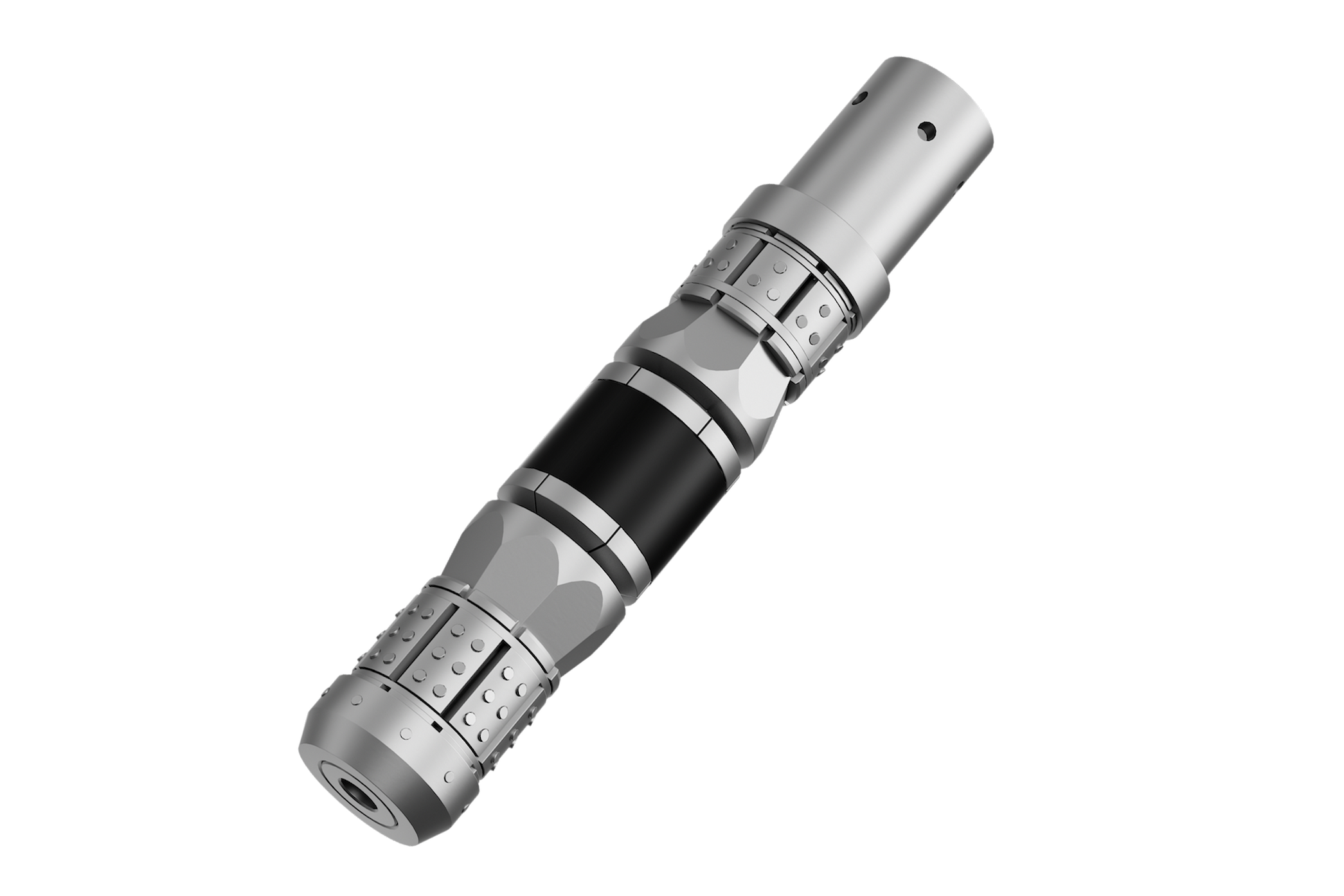
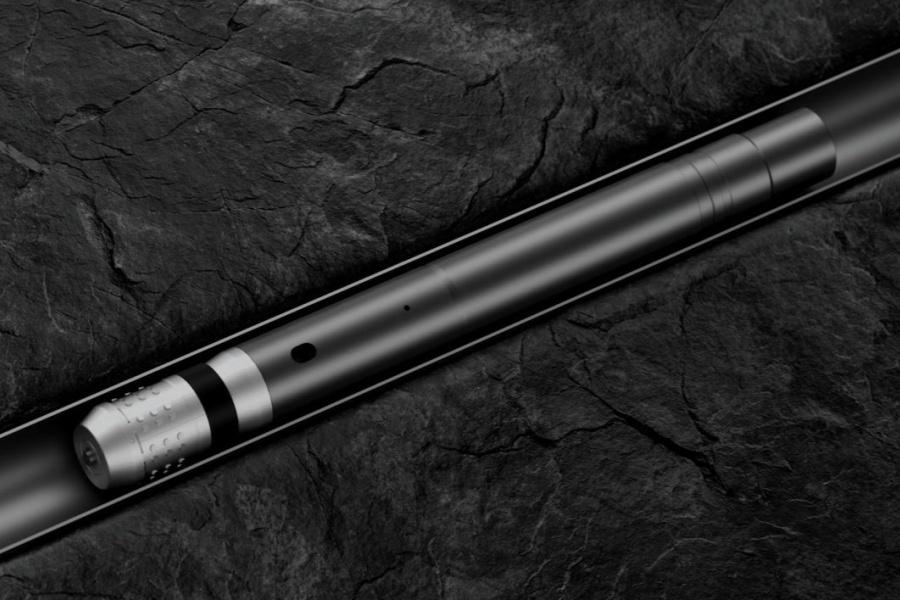
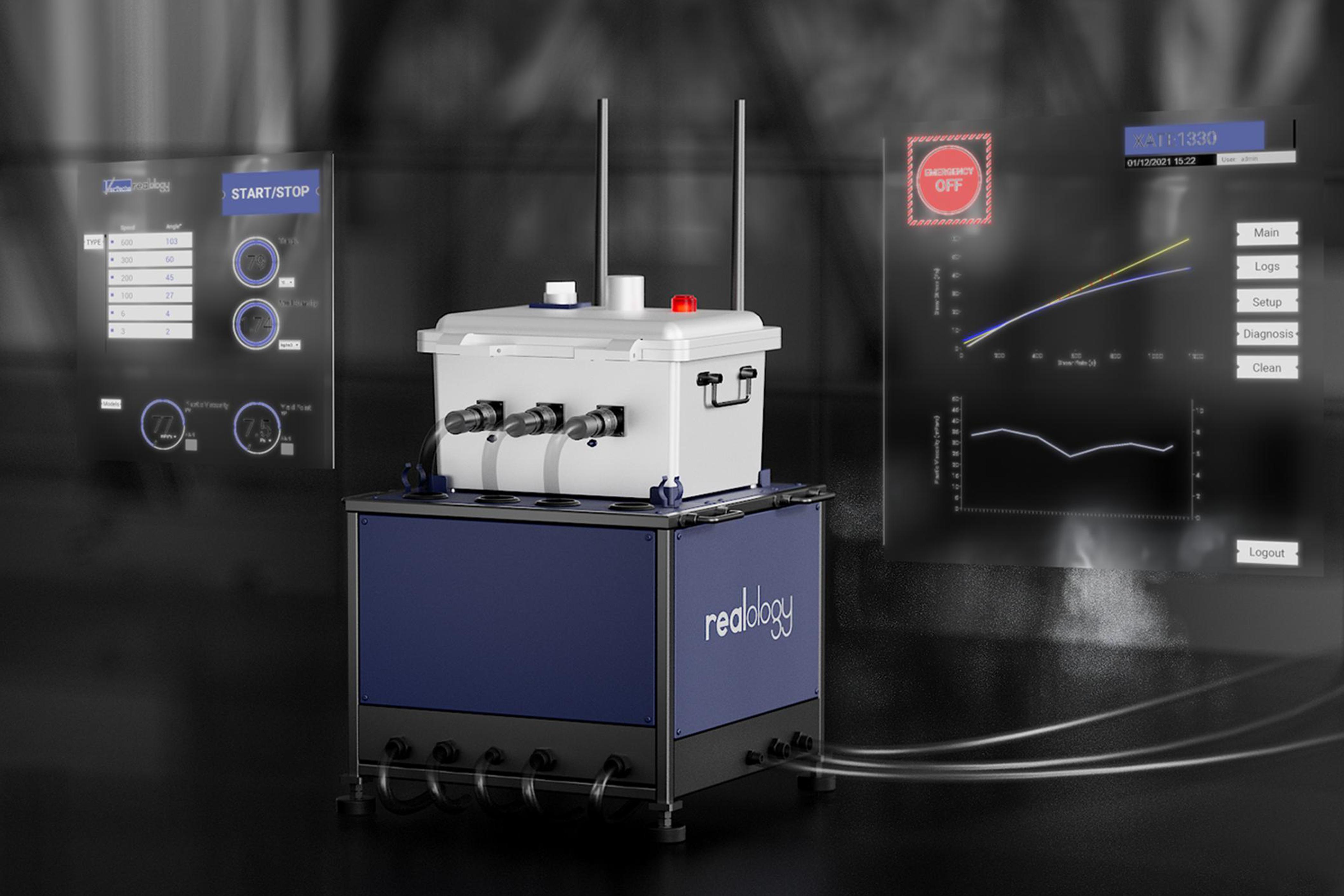
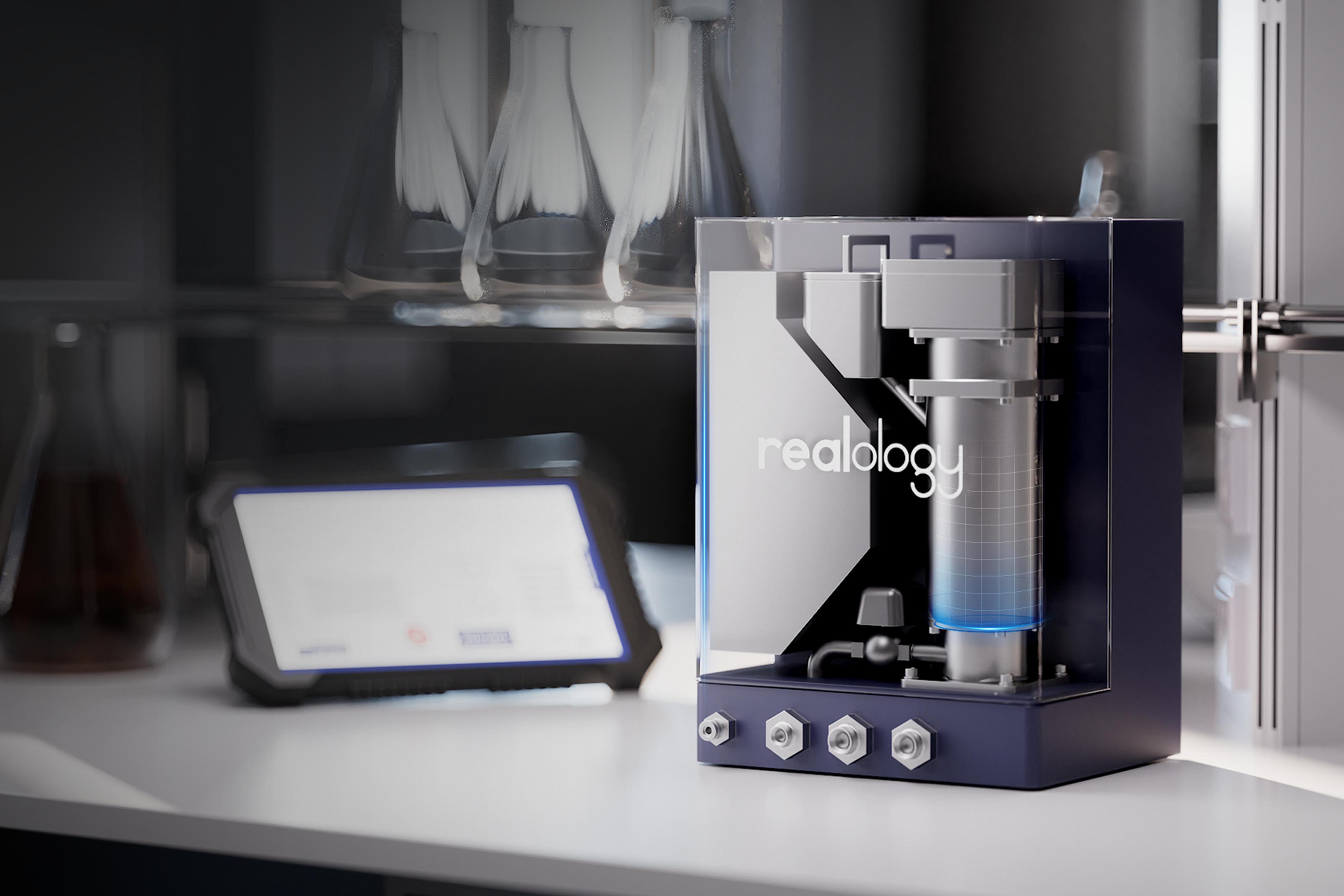
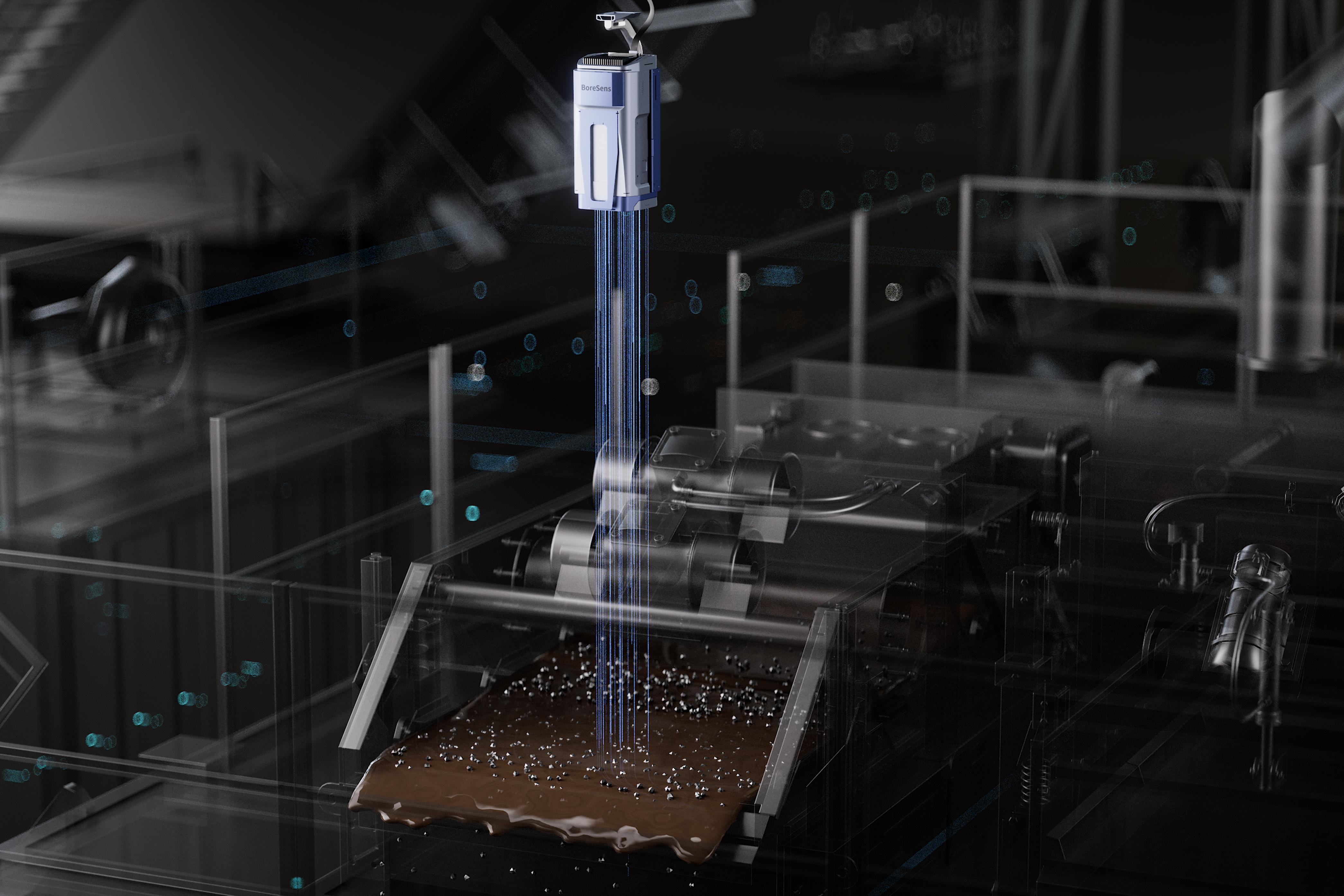
Particularly impressive is Vertechs’ REALology Intelligent Drilling Fluids Monitoring System. This system continuously captures critical fluid parameters — viscosity, density, environmental conditions — and feeds real-time data into the broader drilling control system. This fluid monitoring becomes a cornerstone in well control: sudden changes in fluid properties can indicate a shift in formation pressure or potential influx, and smart monitoring enables operators to respond before issues spiral out of control.
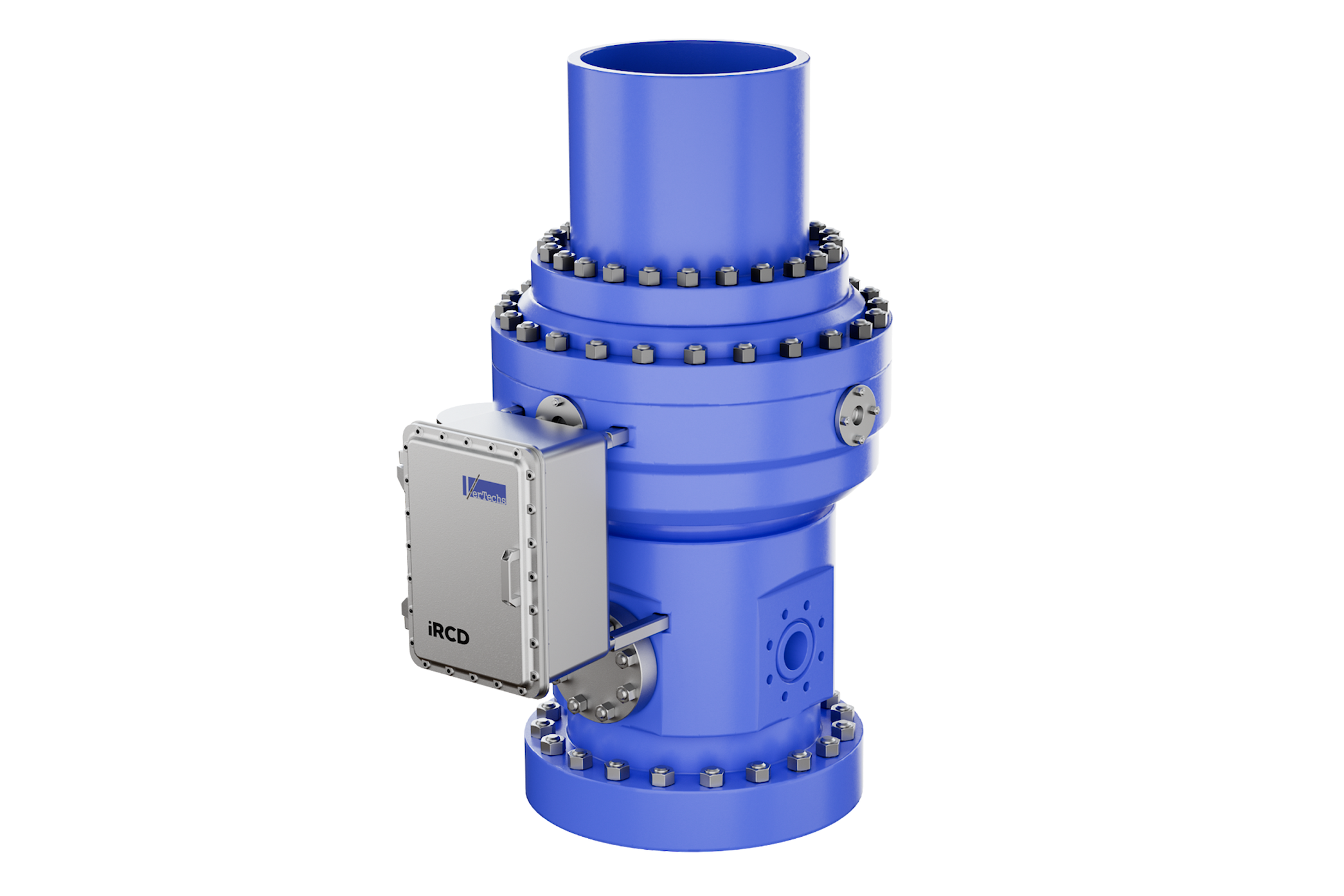
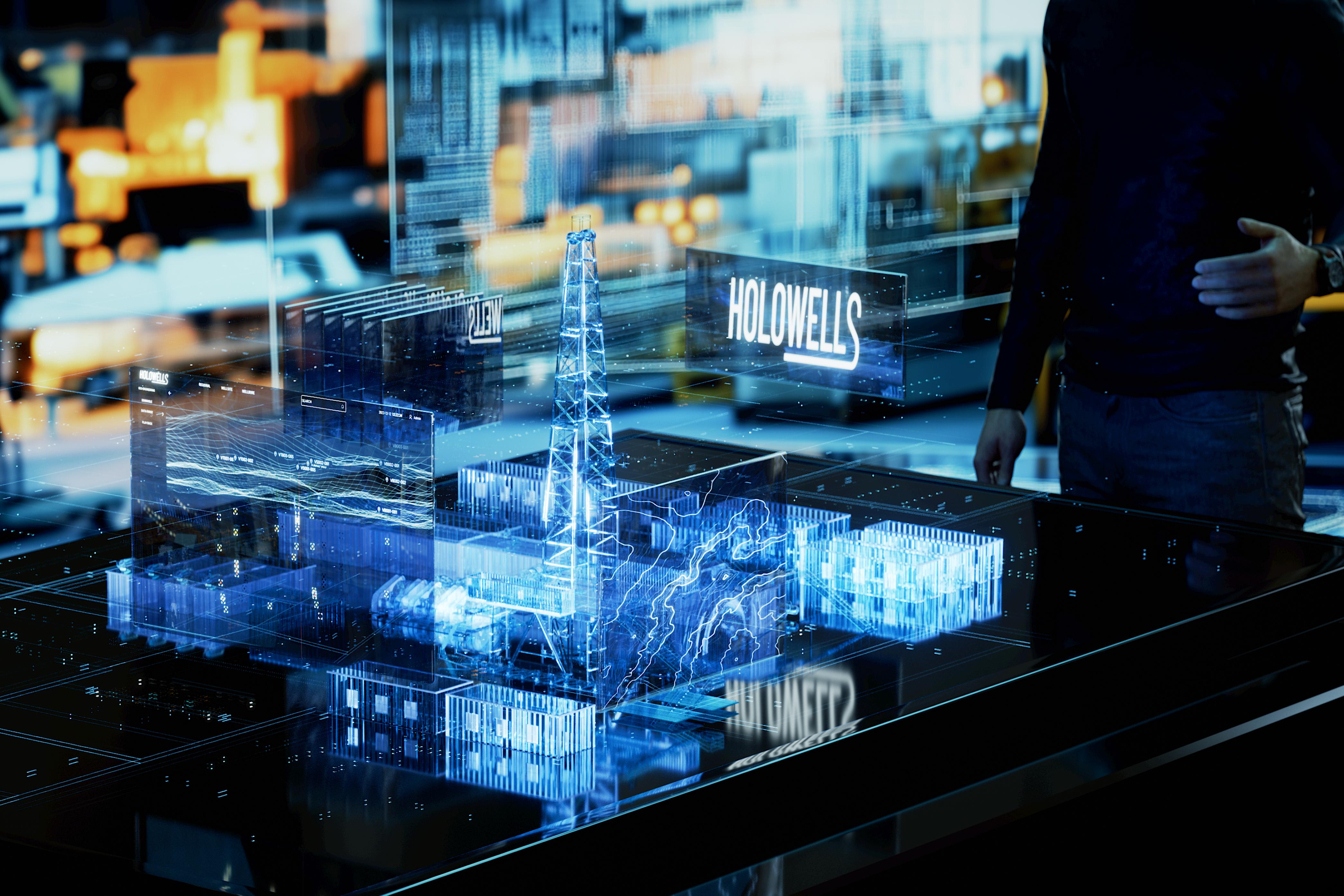
Under this framework, “oil drilling equipment” and “oil drilling machinery” are no longer isolated components. They are part of an interconnected ecosystem, orchestrated by intelligent software and real-time monitoring. Drilling rigs, chokes, RCDs (rotating control devices), fluid systems — all communicate, integrate, and adapt to subsurface reality. What this means, practically speaking, is that oil drilling becomes far more efficient: fewer non-productive times (NPT), less wasted fluid, less risk of hazardous events, and ultimately a safer working environment.
Moreover, in the hands of skilled engineers, this technology doesn’t replace human judgment — it enhances it. Equipped with data and predictive analytics, engineers can anticipate potential pressure kicks, formation instability, or fluid loss before they escalate, allowing them to make informed adjustments. The human-machine partnership becomes the real “well control” asset.
Looking at the bigger picture, this shift has profound implications for the future of oil drilling. As exploration pushes into deeper, more challenging reservoirs — deepwater wells, fractured formations, unconventional resources — traditional oil drilling machinery and equipment will increasingly fall short. What’s needed is a holistic, smart, adaptive approach that unites mechanical robustness with data-driven intelligence. Vertechs, with its global footprint and advanced portfolio, is helping lead that transformation.
In that sense, well control evolves from a reactive safety measure into a strategic advantage — one that improves safety, cuts costs, enhances efficiency, and ultimately enables operators to tap reservoirs that once seemed unreachable. The definition of oil drilling changes: no longer merely boring a hole into the ground and hoping for the best. Instead, drilling becomes a carefully orchestrated operation — where every component, from fluid to machinery to software, works in unison.
Thus, when we speak about oil drilling today — in terms of oil drilling definition, oil drilling equipment, oil drilling machine, or oil drilling machinery — it’s worth understanding that we are witnessing a transformation. A transformation from brute mechanical force to intelligent, adaptive systems; from reactive crisis management to proactive well control. And for anyone interested in the future of oil and gas, that change is not just welcome — it may well be essential.
As drilling challenges grow more complex, the industry needs partners that offer more than hardware. It needs integrated solutions, real-time monitoring, and intelligent control — a combination that companies like Vertechs deliver. By doing so, they don’t just sell oil drilling machinery or equipment; they enable safer, smarter, more sustainable drilling. And in that shift lies the real future of well control. To learn more about how Vertechs can support your energy technology needs, please contact us, via email at engineering@vertechs.com.
Read Our One More Blog(1): Drilling Fluid and Cementing: How Vertechs is Redefining Well Integrity
Read Our One More Blog(2): Big Data in Oil and Gas: How Analytics Is Transforming Exploration and Production