-
Home
-
Products & Services
-
Dissolvable Plugs
 Fast Drill Plugs
Integrated Completion Systems
Dissolvable Cement Retainer
Fast Drill Plugs
Integrated Completion Systems
Dissolvable Cement Retainer
-
Intelligent MPD Manifolds
Intelligent Rotating Control Device
Intelligent All-Electric WBP MPD System
Intelligent Valve Retrofit
-
Intelligent Fluids Monitoring
Real-Time Wellbore Monitoring & Strengthening
Intelligent Drilling Fluids Management
Unconventional Completion & Dissolvable Technology
Featured HighlightsIntelligent Pressure Control Technology
Featured HighlightsIntelligent Fluids Monitoring Technology
Featured Highlights -
-
Vertechs Share
-
News
-
QHSE
-
About Us
-
Contact Us
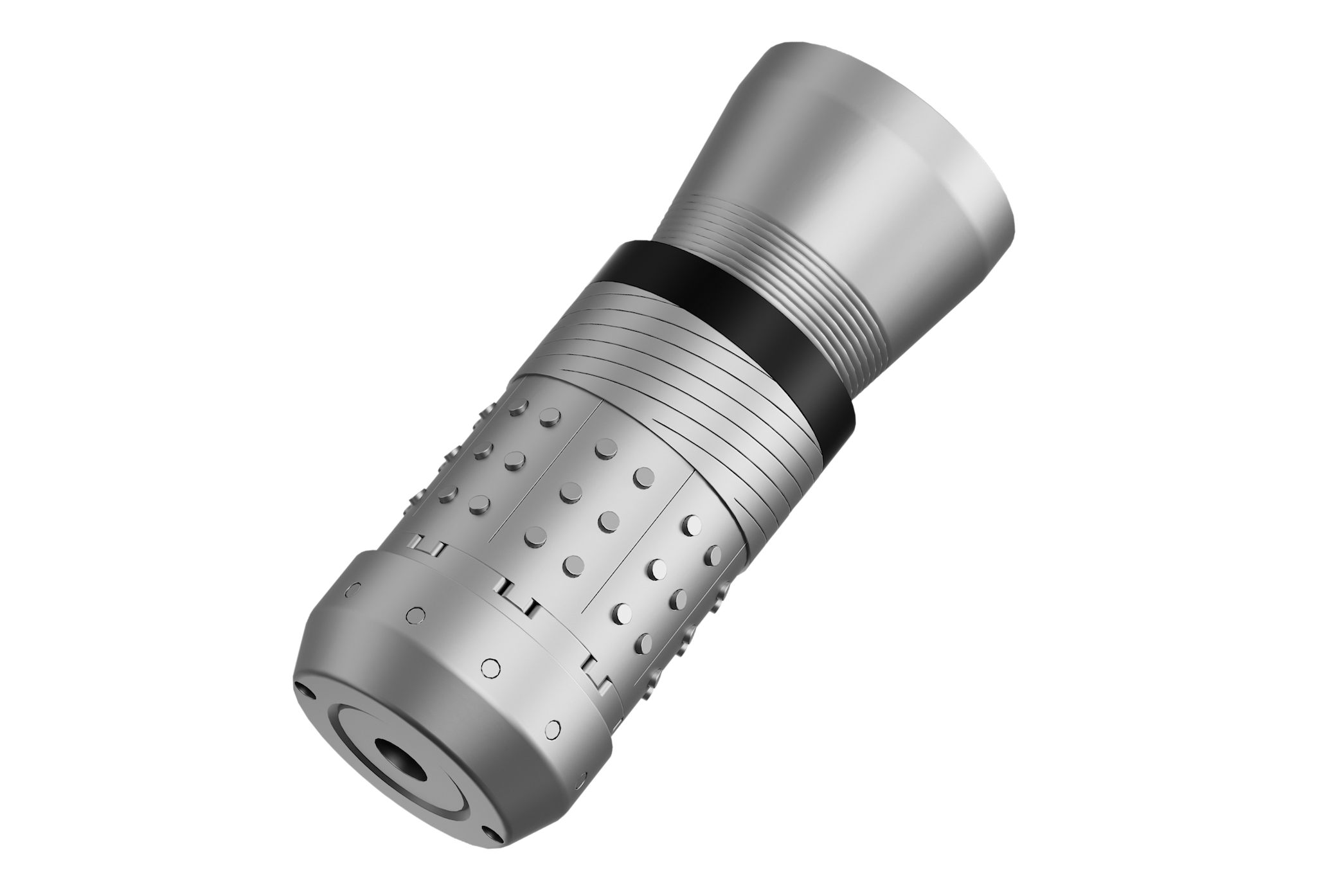
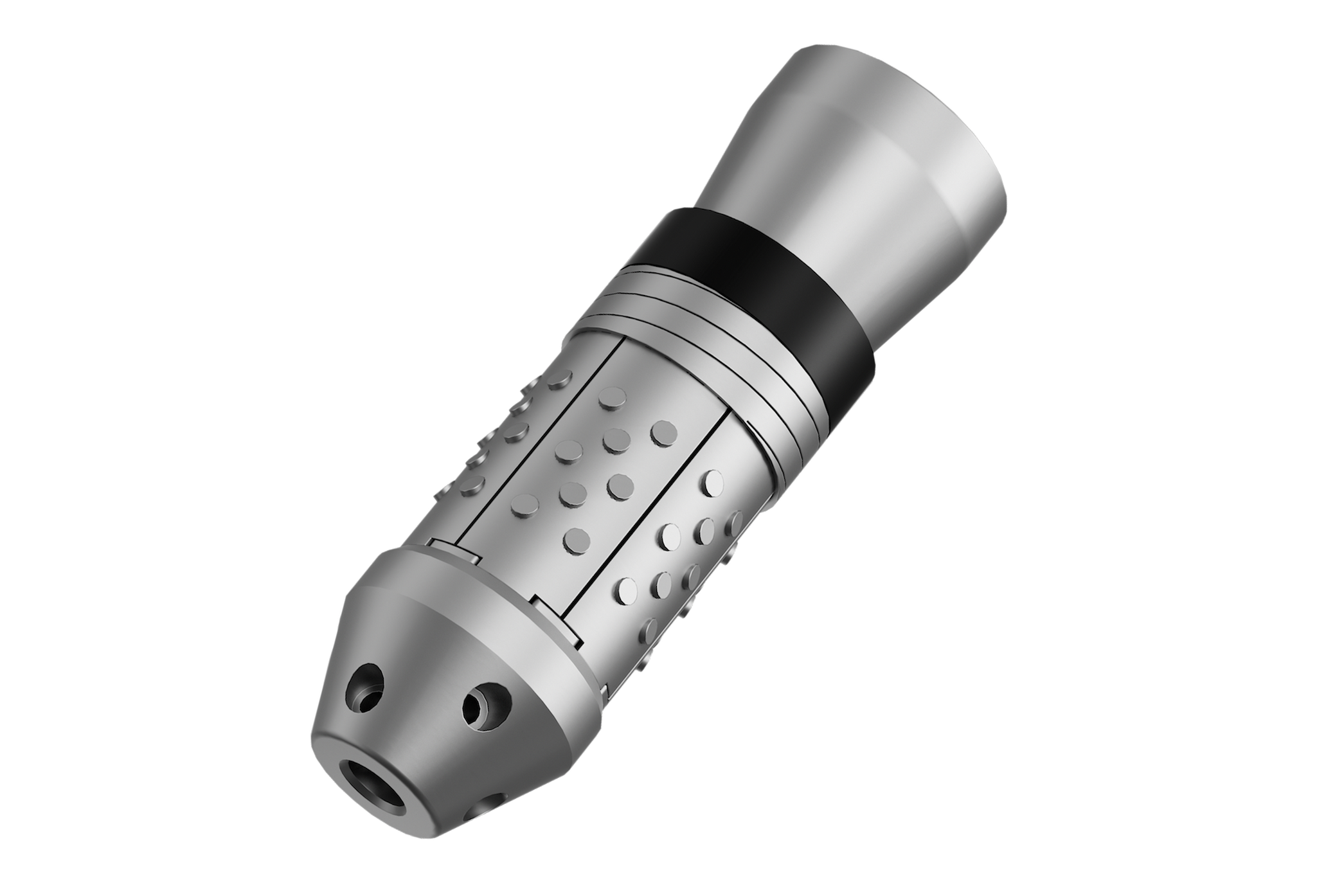
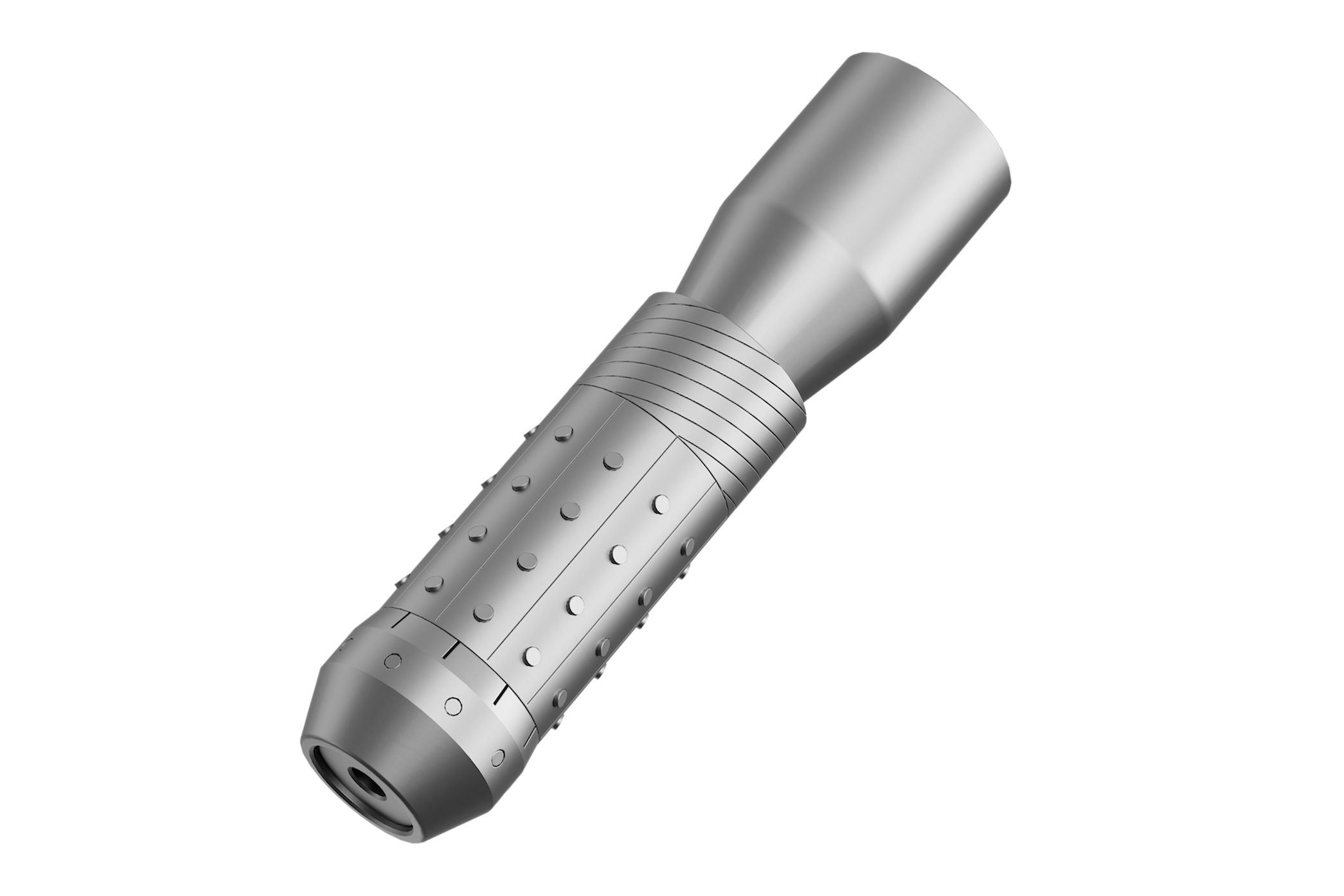
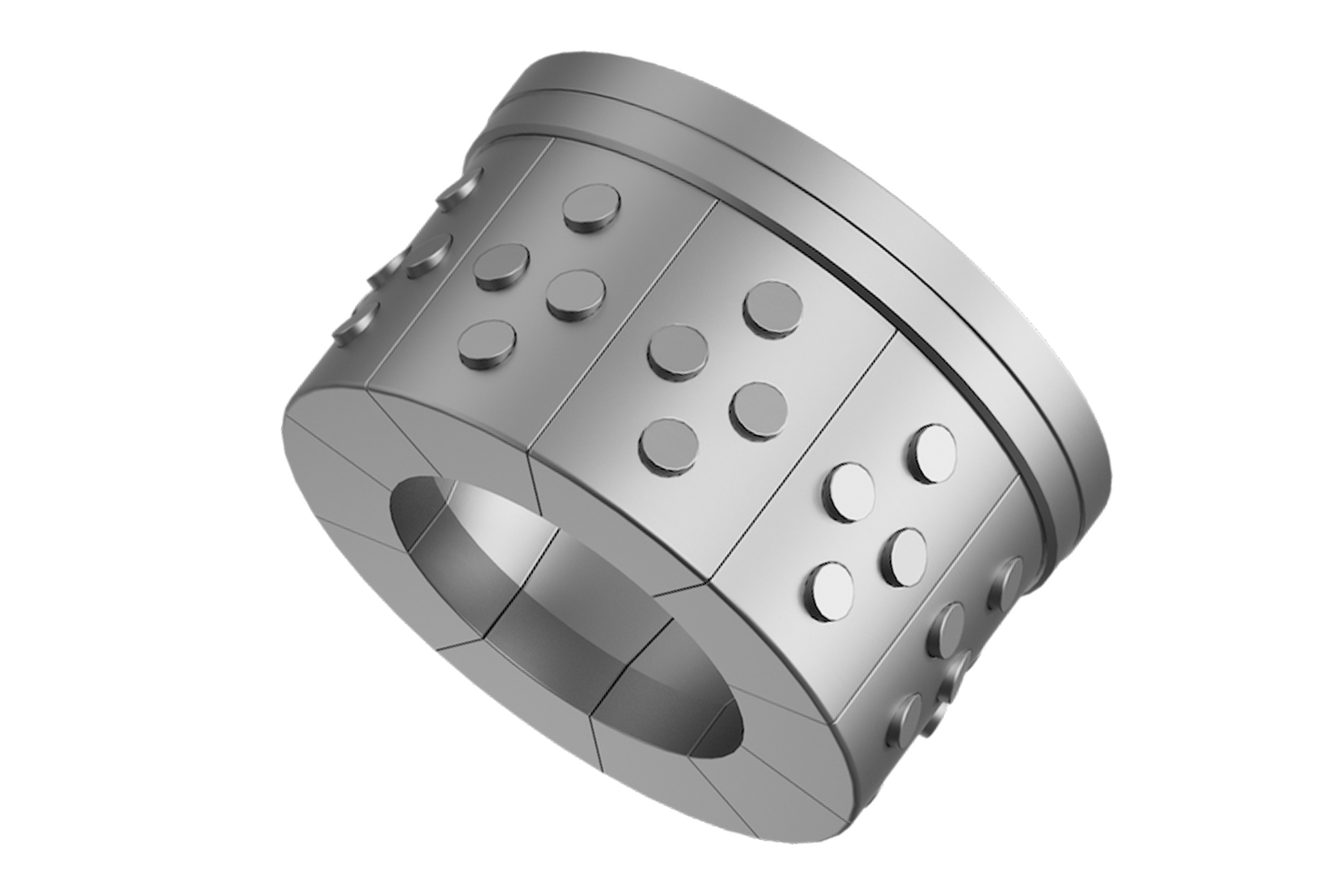






How Real-Time Wellbore Strengthening (RWSS) Technology Helps Prevent Loss Circulation in Drilling
2025-12-05

Have you considered how to prevent circulation losses in drilling before they occur?As the complexity of well designs increases, traditional systems of managing loss of fluid during drilling (e.g. reactive responses) have generally led to the excessive loss of fluids, instabilities in reservoirs and delays in the drilling and completion process. The presence of pressure-sensitive formations and drilling in narrow margins pose new difficulties for drilling teams. The availability of real-time information and the capability to establish a wellbore prior to penetrating through are critical for drilling teams.
This guide outlines how you can use Real-Time Wellbore Strengthening (RWSS) technology to better anticipate, control and reduce the chances of loss circulation in drilling and providing you with the ability to drill safely, smoothly, and efficiently.
Understanding the Challenge of Loss Circulation in Drilling
When drilling fluids seep into fractures/vugs/weak formations/depleted zones, they lose circulation; this creates problems in drilling including:
Increased wellbore instability
Differential sticking of the drill bit
Inefficient hole-cleaning
Damaged formations, and
High non-productive time (NPT) and high material costs associated with repairing damaged formation or sealing off these high-risk zones.
Real-time technologies solve these problems because many of the wells that require real-time solutions often contain very narrow pressure windows or microfractures and therefore cannot rely solely on normal drilling fluids to provide adequate fluid stability and sealing performance.
How RWSS (Real-Time Wellbore Strengthening) Technology Works
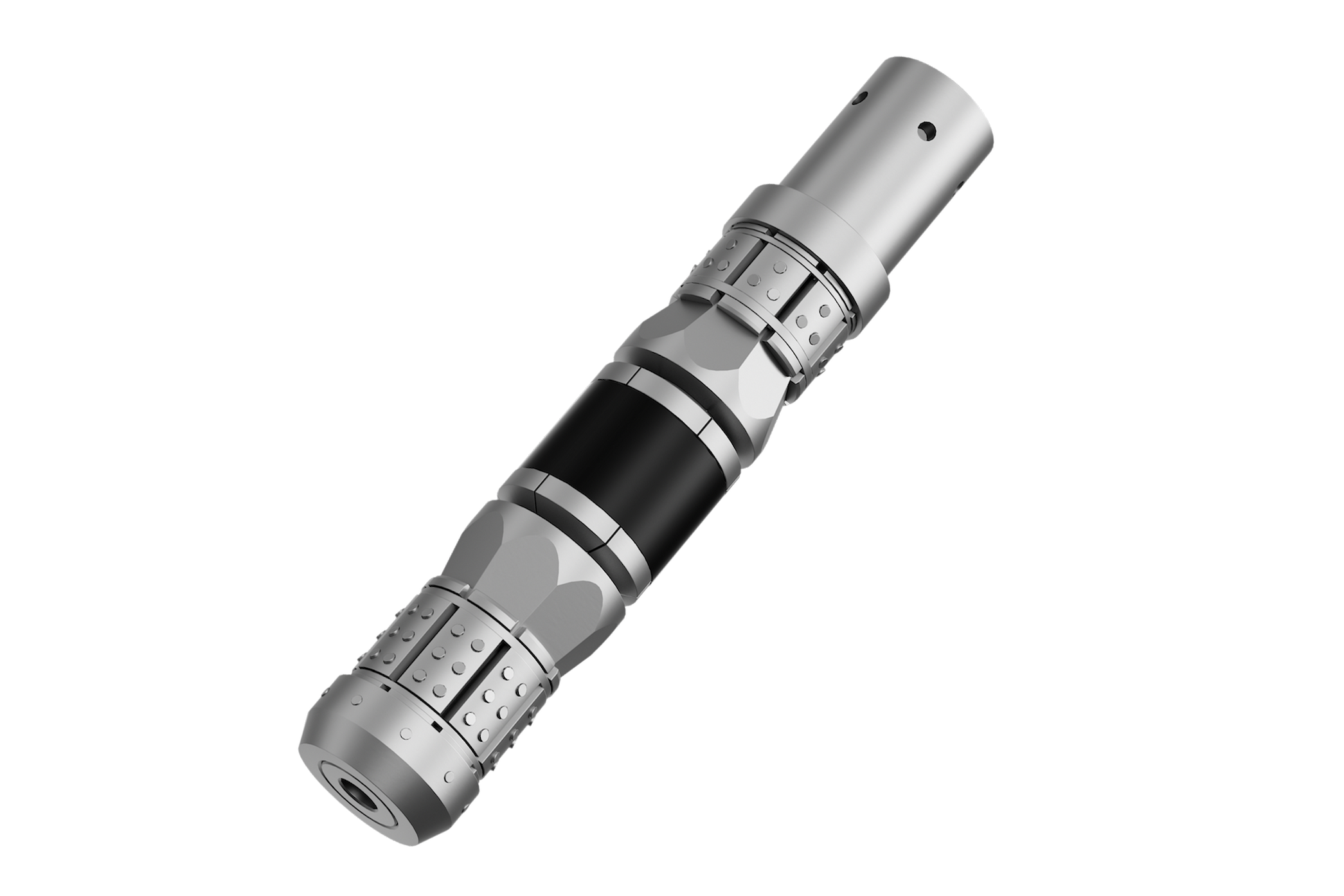
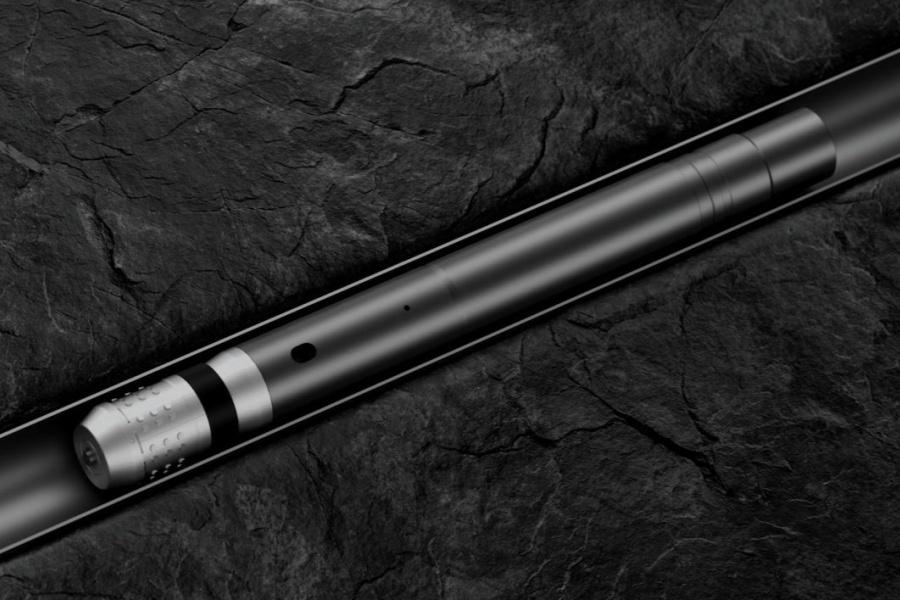
The RWSS technology improves a wellbore's capacity to preserve stability and reduces fluid invasion during drilling, by generating an area of low permeability around it in relation to the surrounding rock, through the rapid formation of an impermeable barrier. By proactively providing a means of enclosing a wellhead with materials that create an enhanced structure, RWSS subsequently minimizes the potential for inducing fractures and other forms of Loss Circulation in Drilling, before such mechanical failures arise. The principal operational elements of RWSS technology are as follows.
Strengthening Materials That Respond To Formations
Strengthening and sealing materials that can fill in areas void of stabilizing material and serve to support the ground surface from which to drill to a formation and stabilize its weakest parts against excessive concentration of drilling fluids. Strengthening & sealing materials are engineered to perform effectively at the point of contact with drilling equipment while simultaneously limiting fluid migration into the ground at all times during drilling operations.
Real-time Evaluation Of Monitoring Systems
RWSS monitoring systems have built-in high-pressure testing systems and high-frequency monitoring devices that are used to evaluate and determine the impact of strengthening materials on formation. These devices allow the rig crew to receive continual feedback during the drilling operation and provide a means of making immediate modifications to improve performance in real-time.
Optimization Of The Well When The Drilling Operation Is In Progress
RWSS technology allows drilling operations to proactively develop the capacity of the well, whereas traditional methods for loss control typically only occur after the drilling process is complete.
Benefits of Using RWSS to Prevent Loss Circulation in Drilling
RWSS (Real-Time Wellbore Strengthening) provides operators with several important advantages. Through proactively sealing weak zones and preventing fluid ingress, RWSS promotes drilling consistency and eliminates unplanned downtime due to failed operations. The following list describes the major ways that RWSS creates safer and more efficient operations:
Improves Stability of Wellbores:
With RWSS, a strong barrier formation around the weak zones of wellbore drilling reduces fluid penetration and strengthens the weak geological formations in the wellbore, therefore, greatly decreasing the chances of failure or gap-off.
Reduces Non-Productive Time (NPT):
RWSS allows operators to quickly identify problems and adjust the drilling program to reduce remedial time, which increases overall efficiency.
Versatile across Different Fluids:
RWSS products work in all types of drilling fluids including oil based, water based, synthetic and allow operators to have a great deal of adaptability to different types of wells.
Data-Driven Control of Operations:
Drilling engineers utilize real-time data to understand the wellbore conditions and help them monitor; therefore, being able to identify potential problems before they become serious.
Lower Costs for Operations:
By minimizing the occurrence of lost circulation in drilling and reducing the frequency of multiple treatments or the need for expensive lost circulation materials, RWSS can provide quantifiable savings in operational costs.
Why Real-Time Strengthening Is the Future of Drilling Efficiency
As drilling efforts continue to move into more complex and non-traditional areas, there is also an increased reliance on reactive methods to manage losses associated with Loss Circulation in Drilling operations. The introduction of real-time strengthening techniques will allow operators to take proactive measures in avoiding drilling instability and to operate in accordance with current standards for risk mitigation and operational excellence, ultimately reducing the risk of accidents, delays, and unplanned downtime.
Final Thought
Real-Time Wellbore Strengthening technology provides a proactive and comprehensive method for reducing the risk of loss of circulation in drilling by enabling safer drilling and significantly lowering Non-Productive Time (NPT). With the ability to assess real-time stresses and utilize stronger, more efficient, and better-performing strength-enhancing materials, this technology is now considered a key tool for helping operators operate successfully in difficult geological formations. Vertechs has extensive experience providing real-time strengthening systems to companies worldwide to assist with the creation of more efficient and stable drilling operations.
Converse with a Vertechs expert today to learn how the Real-Time Wellbore Strengthening system can assist with your drilling operation and reduce or eliminate the risk of loss of circulation during drilling operations, or to request a consultation.
Frequently Asked Questions
1. What's the difference between RWSS and traditional methods of managing circulation loss during drilling?
RWSS is applied proactively to provide wellbore support through live data feeds during drilling. Traditional methods are typically applied once loss of circulation has already occurred.
2. Is RWSS applicable when drilling through highly fractured or pressure-sensitive formations?
Yes! RWSS has been specifically designed to recognize and respond to formations that present challenges so you can control your well and reduce the risk of unexpected losses.
3. Will RWSS work with my current drilling fluid system?
RWSS can utilize various types of fluids. There is no need for you to change your existing fluid program to implement RWSS.
4. Can RWSS really help decrease the amount of unplanned down time while drilling in the most critical parts of the drilling cycle?
Yes! RWSS allows you to monitor loss of circulation earlier in the drilling process so that you can minimize interruptions and maintain on-time performance.
5. What support will Vertech's provide my team to ensure that RWSS is successfully implemented?
Vertech's will supply field-service technicians, equipment for real-time monitoring, and technical support so that you receive the maximum benefit and are able to protect your investment in RWSS.
Read Our One More Blog(1): Weaving Real-Time Insight: How Big Data in Oil and Gas Meets Logging While Drilling
Read Our One More Blog(2): How Vertechs is Revolutionizing Well Control and MPD for the Modern Energy Landscape