-
Home
-
Products & Services
-
Dissolvable Plugs
 Fast Drill Plugs
Integrated Completion Systems
Fast Drill Plugs
Integrated Completion Systems
-
Intelligent Rotating Control Device
Intelligent Well Control
-
Intelligent Fluids Monitoring
Real-Time Wellbore Monitoring & Strengthening
Unconventional Completion & Dissolvable Technology
Featured HighlightsIntelligent Pressure Control Technology
Featured HighlightsIntelligent Fluids Monitoring Technology
Featured Highlights -
-
Vertechs Share
-
News
-
QHSE
-
About Us
-
Contact Us





IPC-MPD Managed Pressure Drilling Case Studies | Vertechs Group Solutions
2026-06-09
In today’s drilling industry, formations are becoming deeper, tighter, and far more unpredictable. Conventional drilling methods often struggle when the pressure window becomes extremely narrow or when unexpected influx and losses occur.
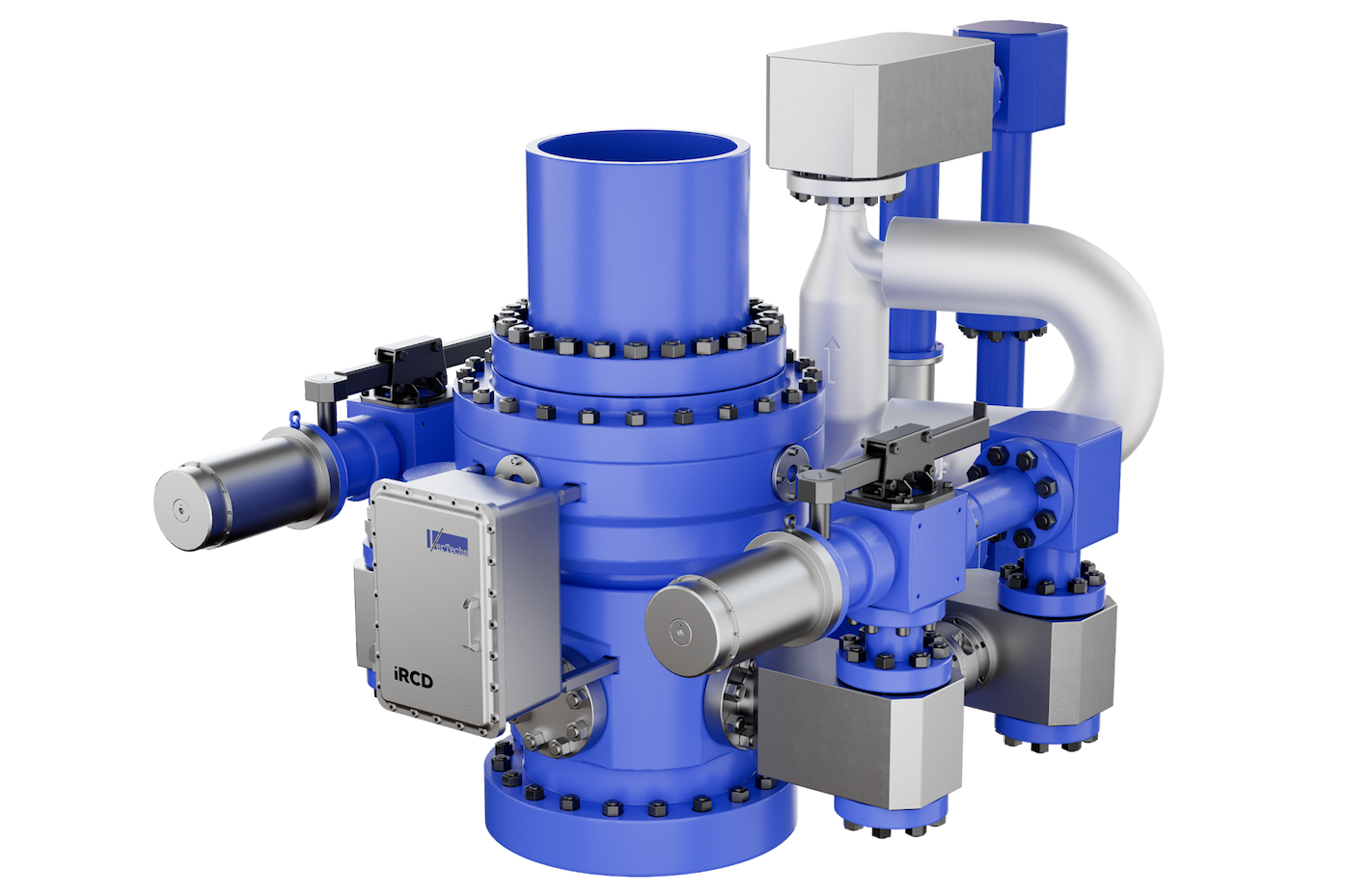
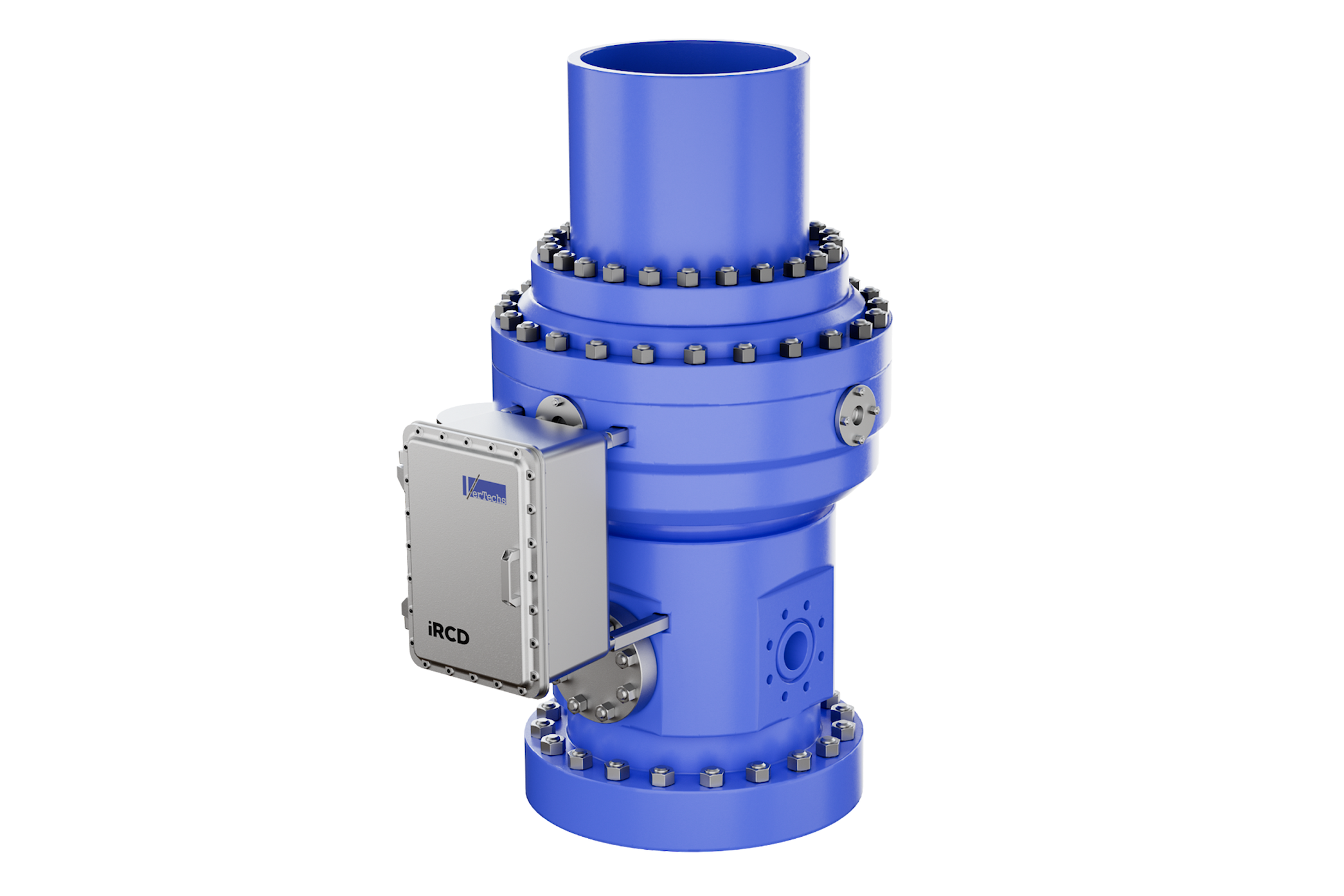
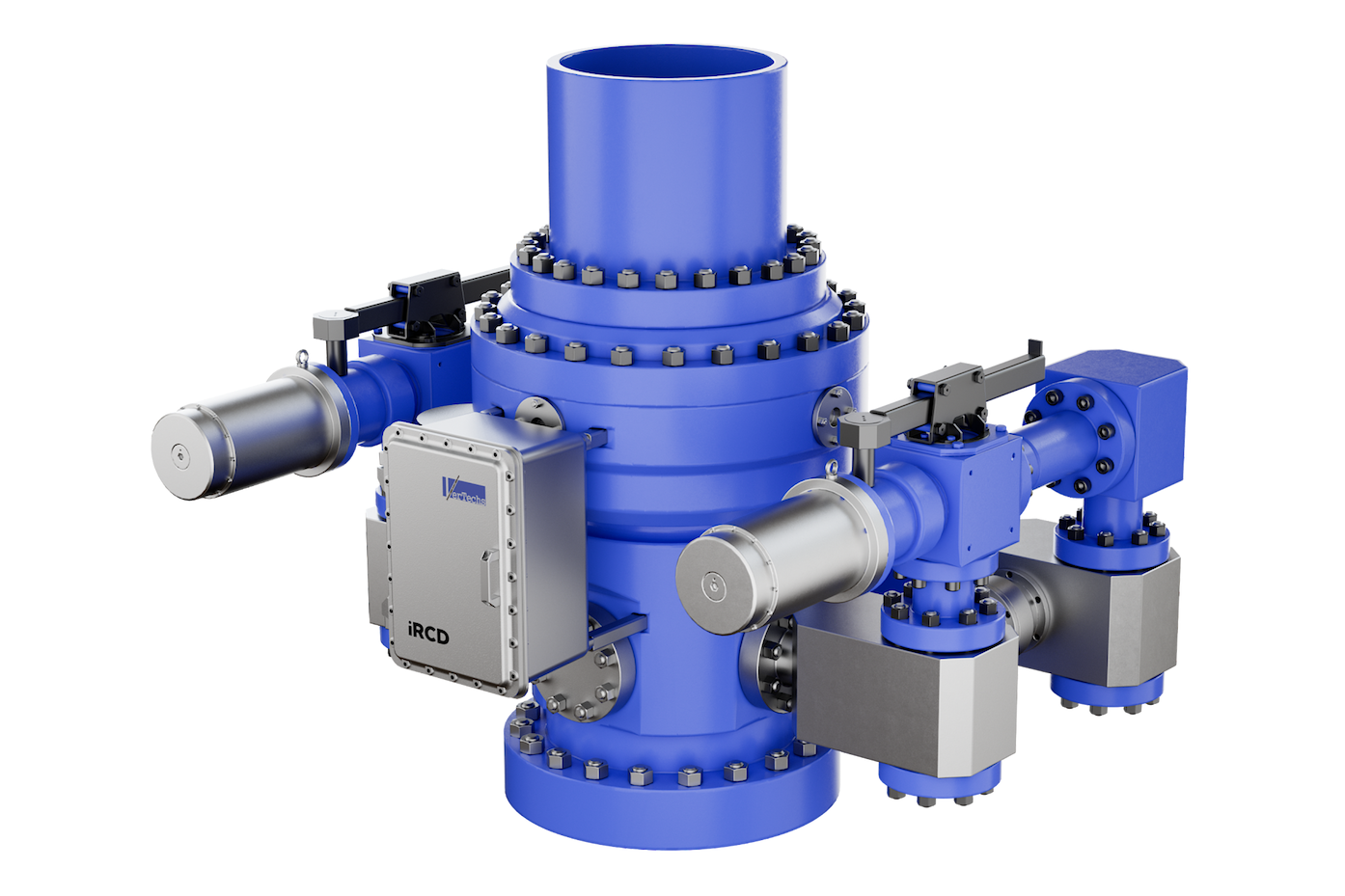
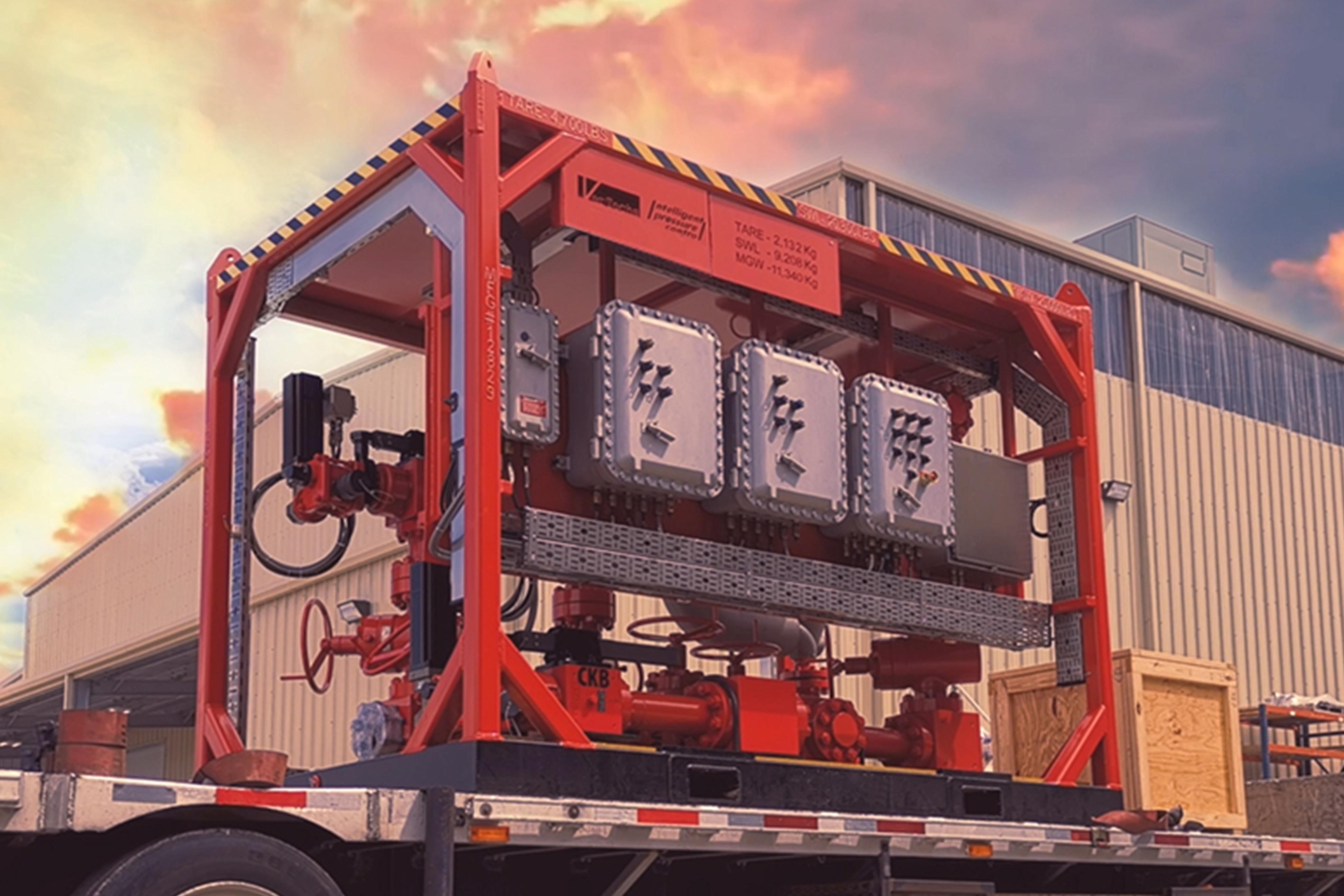
To address these challenges, managed pressure drilling (MPD) has become a key engineering solution. The IPC-MPD system from Vertechs Group has been deployed in multiple demanding field environments across China, showing strong performance in pressure control, risk reduction, and operational stability.
Below are three real-world applications demonstrating how IPC-MPD was used in different types of challenging reservoirs.
Ultra-Deep Slimhole Oil Well: Precision Pressure Control in Tight Windows
In Northwest China, IPC-MPD was applied to an ultra-deep slimhole oil well where the operational margin was extremely limited.
The well was drilled between 6,260 m and 8,100 m (20,541 ft – 26,575 ft), using 6-inch casing in a single casing run. The drilling fluid system relied on OBM with a relatively high mud weight of 2.16–2.20 g/cm³ (18.02–18.36 ppg), while the formation presented an extremely narrow ECD window of less than 0.05 g/cm³ (<0.42 ppg="">
During May to July 2024 operations, IPC-MPD was used for both MPD drilling and workover activities.
What made this case particularly challenging was the extremely tight pressure tolerance. Even minor fluctuations could have resulted in instability. To manage this, IPC-MPD used real-time hydraulic modeling to continuously simulate downhole pressure behavior.
This allowed the operation team to maintain stable pressure conditions during:
Circulation phases
Tripping operations
Connection events
Ultimately, the well successfully reached depths beyond 8,000 m (26,247 ft) while maintaining safe pressure balance throughout the entire operation.
High-Pressure Gas Well: Controlling Kicks and Stabilizing Cementing Operations
A second application of IPC-MPD took place in Southwest China in a high-pressure, high-production gas reservoir.
This project ran from April to October 2023 and included two casing sections (8 1/2 in and 6 in) with a total depth range of 3,410 m to 5,072 m (11,190 ft – 16,632 ft). The operation used OBM with mud density ranging from 2.12 to 2.25 g/cm³ (17.70–18.77 ppg), while the ECD window remained tightly constrained at less than 0.1 g/cm³ (<0.83 ppg="">
The well experienced multiple operational challenges, including kicks and losses across different intervals. In total, more than 8 downhole kick and loss events were successfully managed using IPC-MPD control strategies.
One of the key achievements was maintaining constant bottomhole pressure circulation for 9 continuous days, particularly during a sequence of 14 gas discharge operations.
This stable pressure control helped:
Reduce non-productive time (NPT)
Improve cementing reliability
Shorten the overall well completion cycle
The case clearly demonstrates how managed pressure drilling can stabilize high-risk gas wells where traditional methods struggle to maintain consistent wellbore conditions.
High H₂S Fractured Reservoir: Safe Drilling in Extreme Sour Conditions
The third case involved a fractured gas reservoir in Southwest China with extremely high hydrogen sulfide content, exceeding 30,000 ppm H₂S.
This operation was conducted between February and July 2021, covering depths from 4,804 m to 6,210 m (15,758 ft – 20,379 ft). The drilling program used WBM with a high mud density of 2.32–2.40 g/cm³ (19.37–20.03 ppg), while the ECD window remained tight at less than 0.1 g/cm³ (<0.83 ppg="">
Despite the highly corrosive and hazardous environment, IPC-MPD enabled precise bottomhole pressure control throughout drilling and cementing operations.
The system delivered several important outcomes:
Safe drilling in a high H₂S environment (>30,000 ppm)
Noticeable improvement in cementing quality
More stable drilling performance in fractured formations
A new operational benchmark: drilling 250 m deeper than planned measured depth (820 ft)
Faster-than-expected exploration progress in the region
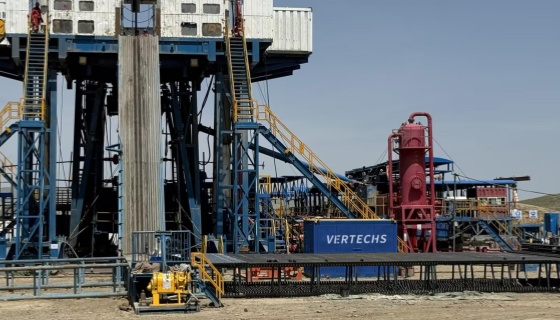
This case highlights the importance of MPD technology in sour gas reservoirs, where both safety and precision are critical.
Across all three field applications, the IPC-MPD system demonstrated consistent value in handling complex drilling challenges. Whether dealing with ultra-deep slimholes, high-pressure gas zones, or high H₂S fractured formations, managed pressure drilling (MPD) provided a stable and controllable drilling environment.
Key benefits observed include:
Improved bottomhole pressure stability
Reduced kicks and loss incidents
Enhanced cementing performance
Lower non-productive time
Greater operational safety in high-risk wells
As drilling environments continue to evolve, IPC-MPD stands out as a practical solution for operators facing increasingly narrow pressure windows and complex subsurface conditions.
With a commitment to cutting-edge solutions and operational excellence, Vertechs continues to empower operators worldwide, helping them navigate the toughest drilling conditions with confidence. Whether you’re looking to optimize your current MPD setup or explore new drilling opportunities, our team is ready to provide expert guidance and tailored solutions.
Reach out to us to learn more about our solutions for your next project.
Read Our One More Blog(1): Types of Drilling Fluid Used in Oil and Gas Exploration
Read Our One More Blog(2): Big Data in Oil and Gas: HOLOWELLS Digital Twin Reduces Drilling Risk and Improves Efficiency