-
Home
-
Products & Services
-
Dissolvable Plugs
 Fast Drill Plugs
Integrated Completion Systems
Fast Drill Plugs
Integrated Completion Systems
-
Intelligent Rotating Control Device
Intelligent Well Control
-
Intelligent Fluids Monitoring
Real-Time Wellbore Monitoring & Strengthening
Unconventional Completion & Dissolvable Technology
Featured HighlightsIntelligent Pressure Control Technology
Featured HighlightsIntelligent Fluids Monitoring Technology
Featured Highlights -
-
Vertechs Share
-
News
-
QHSE
-
About Us
-
Contact Us





Types of Drilling Fluid Used in Oil and Gas Exploration
2026-06-04
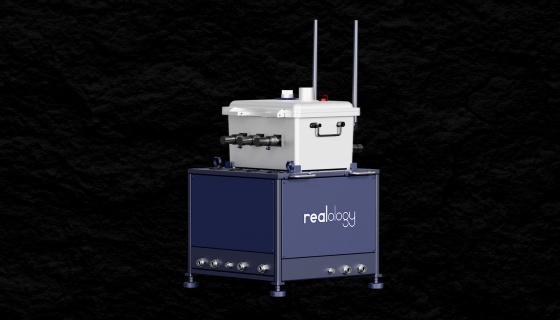
In the field of oil and gas exploration, drilling operations demand systems that are carefully designed to ensure efficiency, safety, and integrity of the well. Drilling fluid is one of the most important items in drilling. These specially formulated fluids have various applications such as pressure control, cuttings transport, cooling, lubrication and wellbore stabilization. The selection of the drilling fluid is important since the properties of the fluid in different formations and different drilling environments are different.
The knowledge of the oil and gas drilling fluid types and understanding their operations helps in understanding how the drilling operations are optimized, and how related risks are managed.
What is Drilling Fluid?
Drilling fluid is a medium that circulates while drilling and fulfills the function of supporting the drilling process. Pumped down drill string and up through annulus with rock cuttings.
The drilling fluid directly influences the speed of drilling, wellbore stability, equipment life and project costs. It is critical, therefore, that a decision be made on fluids when planning a well.
Water-Based Drilling Fluid
The most common drilling fluid used in the oil and gas industry is water-based fluid. In such systems, water is the continuous phase, with a number of additives used to give the desired characteristics.
The use of water-based fluids is generally more popular due to their relative economy and environmental ease of handling. They are frequently used in shallow wells, normal formations and for those applications that do not involve extreme temperatures and pressures.
They are typically made up of clays, polymers, weighting materials, and chemical additives to control viscosity, fluid loss, and wellbore stability.
Oil-Based Drilling Fluid
Oil-based systems employ oil as the continuous phase, rather than water. Considering their extensive application in difficult drilling situations where greater performance is needed, these drilling fluids are very widely used.
Oil based fluids are good lubricants and are effective for direction and horizontal drilling. They also stand up well to high temperature and high pressure environments that may be problematic to conventional water-based systems.
They also have the benefit of controlling shale swelling and minimizing interactions with reactive shales. They are very useful in unstable geologic conditions.
But most often, oil-based fluids are more expensive and come with greater environmental management requirements because of the disposal and handling requirements.
Synthetic-Based Drilling Fluid
Synthetic-based fluids have been formulated to offer the best of both worlds - performance and environmental friendliness. These fluids are based on synthetic compounds, and are thermally stable and have excellent lubricating properties.
Often employed in offshore applications and sensitive environments for which there are stricter regulations. Synthetic systems perform well and are less toxic and impactful on the environment.
Synthetic based drilling fluid systems are gaining widespread use in technically challenging projects due to their versatility.
Pneumatic Drilling Fluids
Gases are used as the drilling medium in certain drilling conditions. Air, mist, foam, or gas is used in pneumatic systems to remove cuttings and to keep the circulation going.
The appropriate systems are especially good for hard rock formations and for depleted reservoirs where fluid invasion into the formation should be kept to a minimum. One other advantage of pneumatic drilling is the ability to lower bottom-hole pressure to improve penetration rates.
But because of the added complexity in operation and safety concerns, it is necessary to have special equipment and attention to detail for these systems.
Foam-Based Drilling Fluid
A foam system is made of gas, water and foaming agents to produce a light drilling medium. This type of drilling fluid is suitable in the formation where conventional fluids can lead to formation damage or fluid losses.
The foam fluids have the advantages of improving the process of transporting cuttings and maintaining the relative low of hydrostatic pressure. They are commonly used in underbalanced drilling operations and low-pressure formations.
They possess light weight characteristics, which are beneficial for certain well bore pressure management applications.
Factors Influencing Drilling Fluid Selection
Several operational and geological parameters determine the type of drilling fluid used. The type of fluid used depends on formation characteristics, well depth, pressure conditions, temperature and environmental regulations.
Economics is also an important factor. Advanced systems can provide better performance but need to be considered in the context of cost and logistic considerations.
The type of fluids used will not remain constant during drilling. Drilling conditions will change during the drilling operations and adjustments may need to be made.
Importance of Proper Drilling Fluid Management
The key to successful drilling is using the proper drilling fluid. Continuous monitoring and maintenance are also essential in order to perform at its best.
Regular testing and adjustment of fluid properties, including density, viscosity and filtering properties are needed. Good fluid management prevents stuck pipe, hole cleaning and instabilities in the wellbores.
Digital monitoring systems and real-time analysis are increasingly being used to fine-tune the performance of drilling fluids and operate the rigs more efficiently.
Future Trends in Drilling Fluid Technology
The key points of development in drilling fluid technology are related to sustainability, automation and performance. The development of new additives and formulations to improve the efficiency and decrease the impact on the environment.
The management of drilling fluids is also transforming, thanks to data-driven systems and smart monitoring technologies. These innovations enable the operators to adjust the drilling activities in real time, contributing to a better performance and a cost reduction.
Drilling fluid technology will continue to change to support the more complex drilling requirements found in more difficult environments as exploration progresses.
About Vertechs
For efficient and reliable oil and gas exploration, we have advanced solutions for drilling fluid at Vertechs. Close collaboration with our client to optimize fluid systems to the most demanding environments and well variations. Our knowledge, experience and expertise enable us to deliver better wellbore stability, operational efficiency and a long term drilling success.
Frequently Asked Questions
1. What is drilling fluid used for?
The uses of the drilling fluid include pressure control, transportation of cuttings, cooling, lubrication and wellbore stability.
2. Which is the most popular type of drilling fluid?
The most popular are water-based systems which are both cost effective and versatile.
3. Why use oil-based fluids?
They offer improved lubrication and are suitable for use in extreme high-temperature and high-pressure conditions.
4. Are synthetic based fluids eco-friendly?
They are typically aimed at lowering impact on the environment but also at maintaining good drilling performance.
5. May drilling fluids change during drilling?
Yes, drilling fluid systems can be modified during drilling to adjust to variations in conditions.
Vertechs is committed to delivering innovative energy solutions that drive efficiency and sustainability. Our cutting-edge technologies and services are designed to meet the evolving needs of the energy industry. To learn more about how we can support your projects, please contact us.
Read Our One More Blog(1): Big Data in Oil and Gas: HOLOWELLS Digital Twin Reduces Drilling Risk and Improves Efficiency
Read Our One More Blog(2): Loss Circulation in Drilling: The Role of Real-Time Wellbore Strengthening