-
Home
-
Products & Services
-
Dissolvable Plugs
 Fast Drill Plugs
Integrated Completion Systems
Dissolvable Cement Retainer
Fast Drill Plugs
Integrated Completion Systems
Dissolvable Cement Retainer
-
Intelligent MPD Manifolds
Intelligent Rotating Control Device
Intelligent All-Electric WBP MPD System
Intelligent Valve Retrofit
-
Intelligent Fluids Monitoring
Real-Time Wellbore Monitoring & Strengthening
Intelligent Drilling Fluids Management
Unconventional Completion & Dissolvable Technology
Featured HighlightsIntelligent Pressure Control Technology
Featured HighlightsIntelligent Fluids Monitoring Technology
Featured Highlights -
-
Vertechs Share
-
News
-
QHSE
-
About Us
-
Contact Us



The Digital Revolution in Drilling: How Big Data in Oil and Gas is Reshaping Global Operations with Vertechs
2026-01-23

The oil and gas industry has always been a realm of high stakes and complex challenges. From the scorching deserts of Saudi Arabia to the vast plains of North America, and the rapidly evolving energy landscape of China, the quest for hydrocarbons demands more than just brute force; it requires intelligence, precision, and foresight. In this modern era, the phrase "big data in oil and gas" isn't just a buzzword—it’s the very engine driving a new wave of efficiency, safety, and profitability. And at the heart of this transformation stands companies like Vertechs, whose mission is not merely to provide tools, but to deliver intelligent, integrated solutions that turn raw data into actionable insights.
Let’s start with the core challenge: drilling. Whether you’re talking about drilling in US shale plays, navigating the intricate geology of drilling china, or managing operations across a global drilling group, the common thread is complexity. A single well can generate terabytes of data from downhole sensors, surface equipment, and geological surveys. Traditionally, this information was siloed, fragmented, and often underutilized. Enter big data in oil and gas. This isn’t about storing numbers; it’s about connecting them—linking real-time pressure readings from a drilling BHA (Bottom Hole Assembly) with historical performance data from similar formations, then overlaying that with predictive analytics powered by artificial intelligence. It’s about transforming chaos into clarity.
Vertechs understands this intimately. With its Asia-Pacific headquarters nestled in Chengdu, a city rapidly becoming a tech hub for China’s energy ambitions, and its Middle East nerve center in Dammam, the company is strategically positioned to address the unique demands of each region. For instance, when discussing drilling engineering software, it’s not enough to offer a generic platform. Vertechs develops tailored digital application upgrades that integrate seamlessly with existing workflows, whether you're operating in the Permian Basin or the Sichuan Basin. Their software doesn’t just monitor; it anticipates. It learns from every drill bit rotation, every vibration pattern, every fluid flow rate, and uses that knowledge to suggest optimal parameters before problems arise. That’s the power of big data in oil and gas when applied with purpose.
One might wonder, what does this mean on the ground? Imagine a drilling team in Texas facing unexpected formation pressures. Traditional methods might involve shutting down, analyzing logs, and making educated guesses. With Vertechs’ drilling innovative solutions, however, the system might have already flagged an anomaly hours earlier, suggesting a change in mud weight or drill string configuration based on patterns detected from hundreds of similar wells. This isn’t science fiction—it’s the reality being built today, one data point at a time. The integration of AI engineering applications means that human expertise is augmented, not replaced. Engineers become strategic decision-makers, freed from routine diagnostics to focus on optimization and innovation.
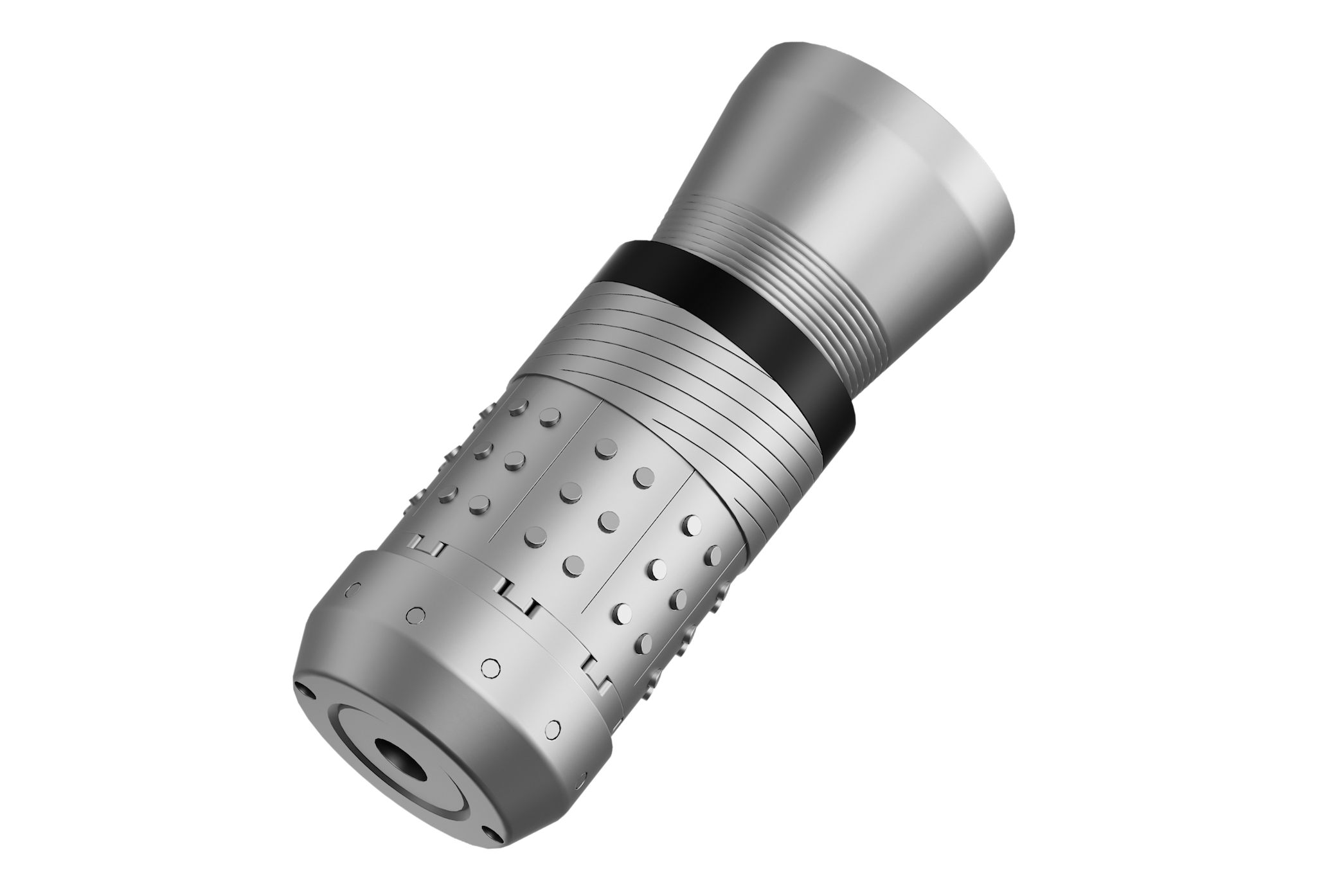
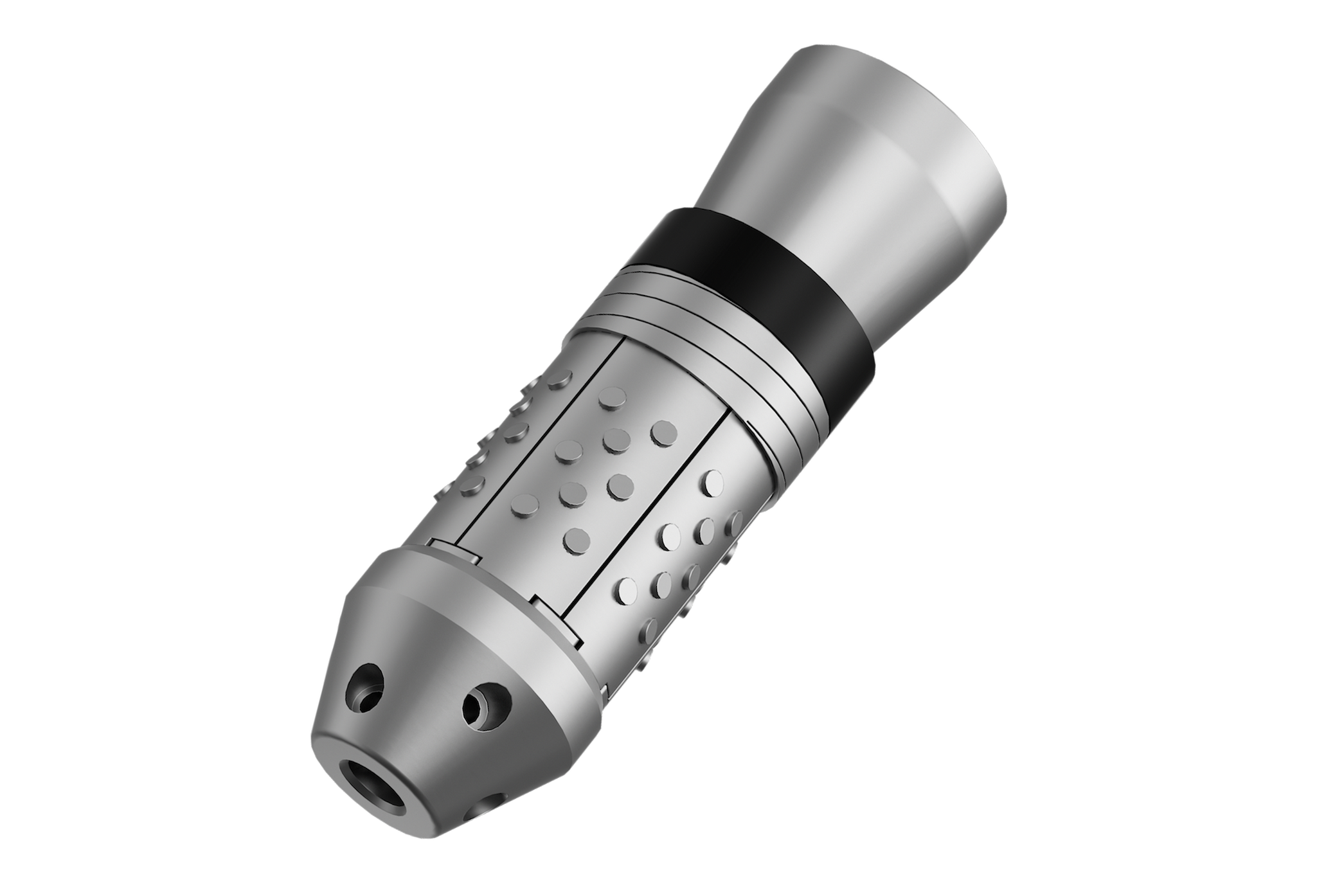
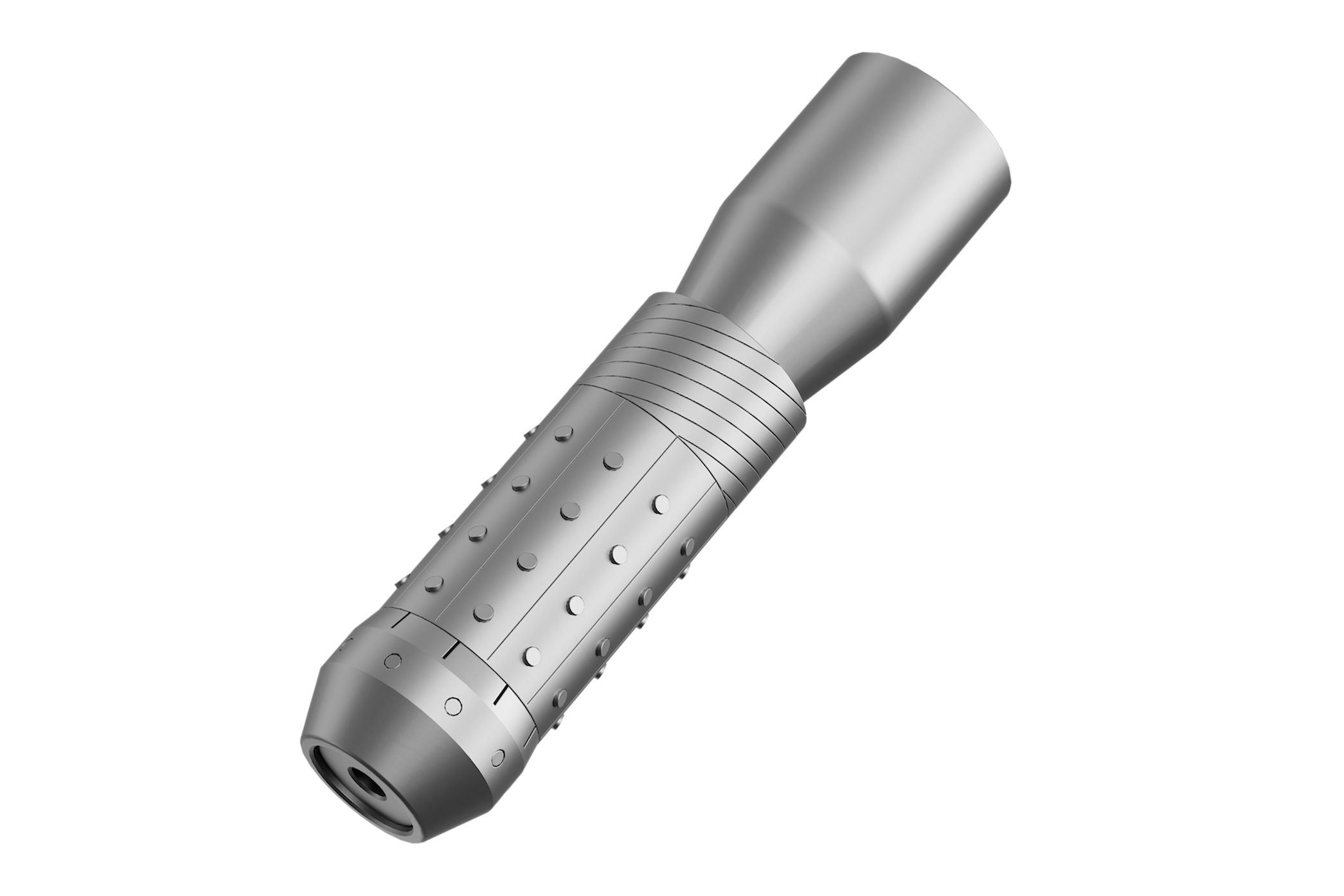
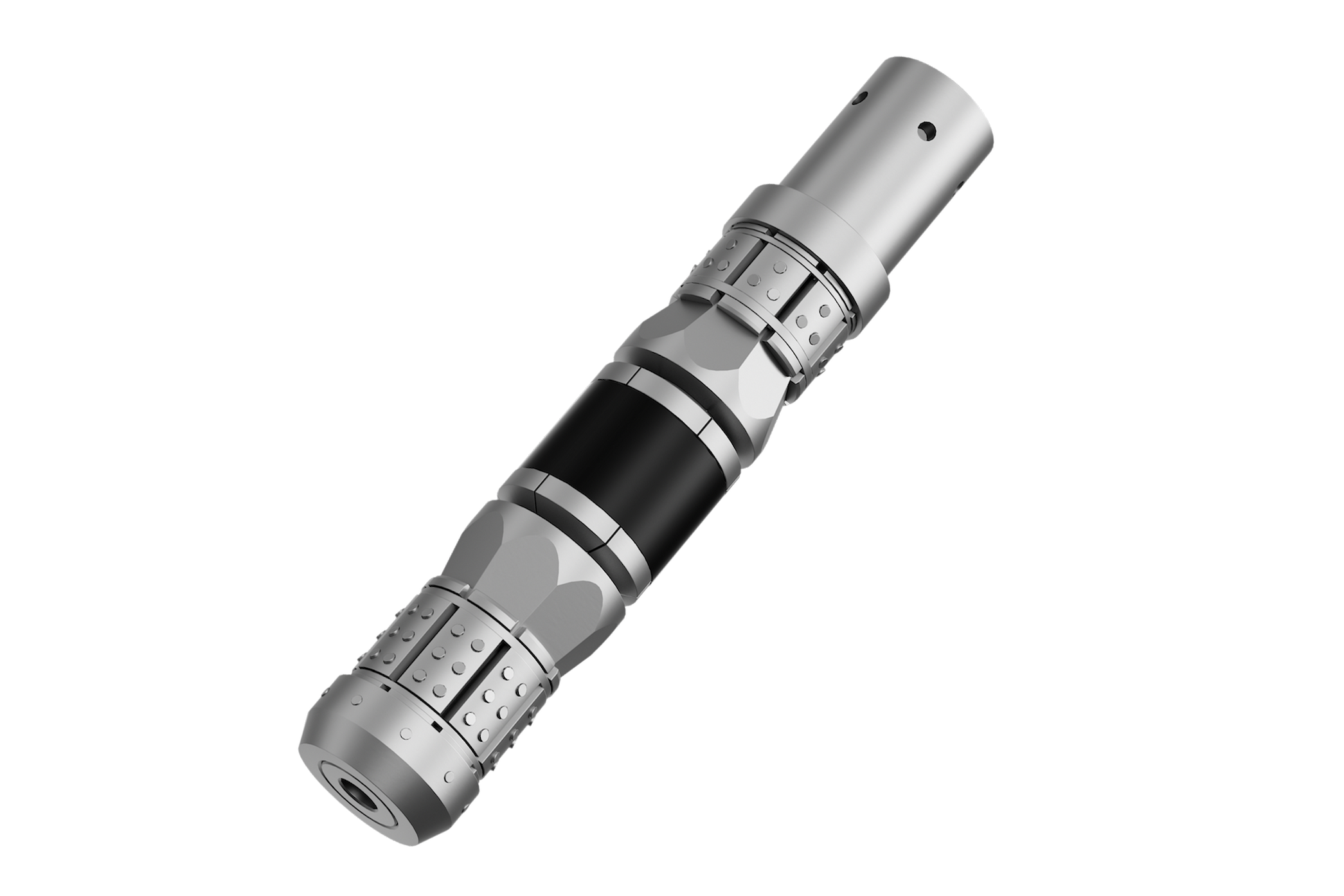
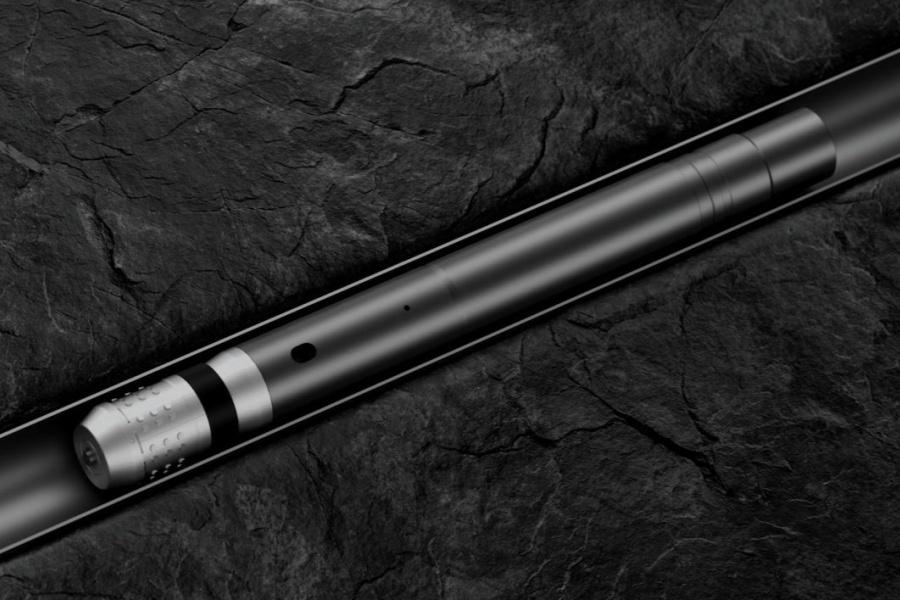
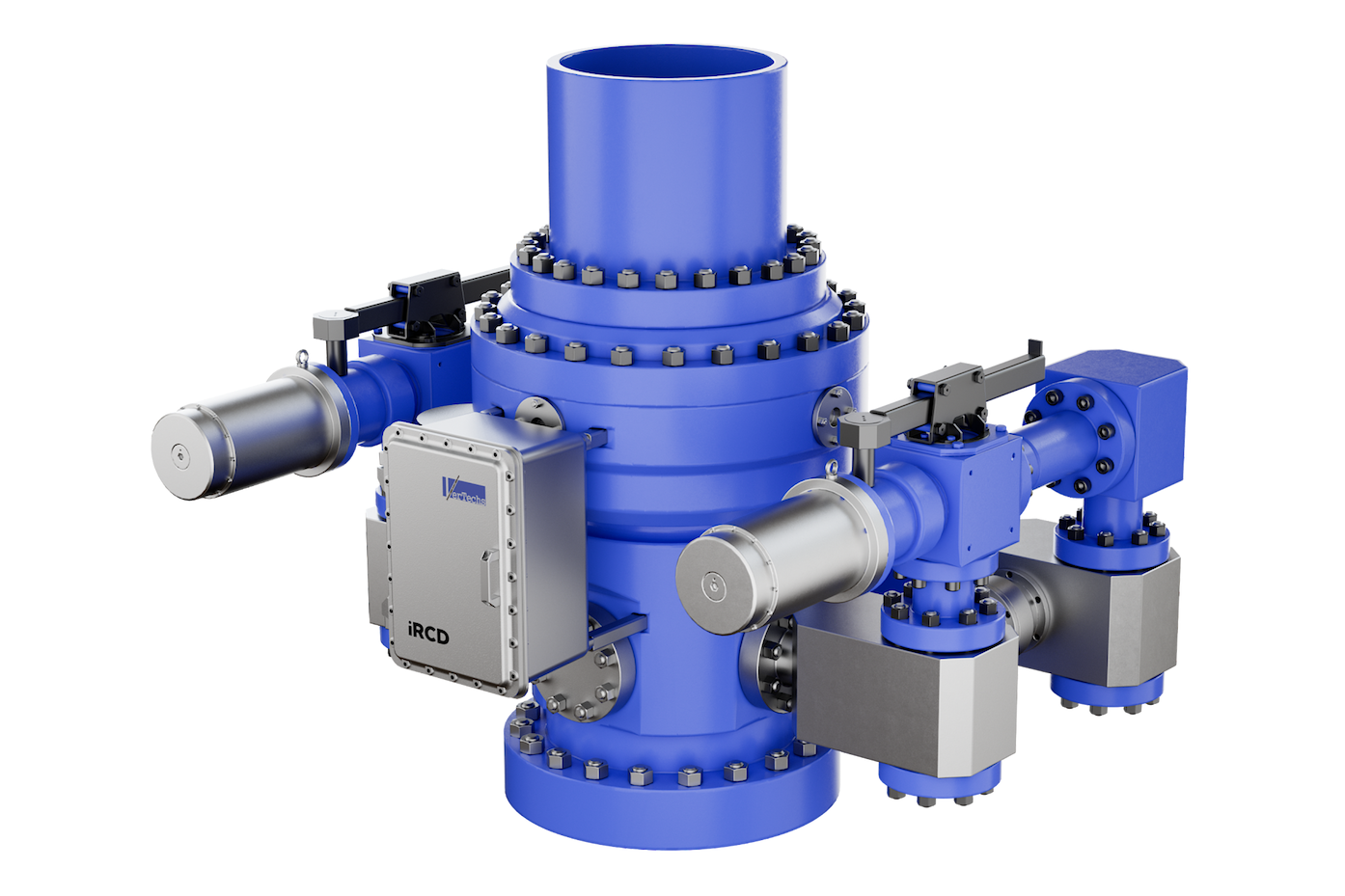
And let’s not forget the hardware side of the equation. A drilling BHA is no longer just a collection of metal parts; it’s a sophisticated sensor array feeding live data back to the surface. Vertechs’ disruptive downhole technology products are designed with this in mind. They’re built to withstand extreme conditions while delivering reliable, high-fidelity data streams. When combined with their drilling engineering software, these tools create a closed-loop system where data informs action, and action generates more data. It’s a virtuous cycle that drives continuous improvement.
The impact of this approach extends far beyond individual wells. For a drilling group managing assets across continents, consistency and standardization are critical. Vertechs’ one-stop digital application upgrades allow for centralized monitoring and control, ensuring that best practices developed in one region can be replicated elsewhere. A technique proven effective in drilling in US operations can be adapted and deployed in Saudi Arabia or Canada with minimal friction. This global scalability is a direct result of leveraging big data in oil and gas—not as a standalone tool, but as the connective tissue binding diverse operations into a cohesive, intelligent network.
Moreover, the emphasis on drilling innovative solutions means that Vertechs isn’t content with incremental improvements. They’re pushing boundaries. Think about predictive maintenance for drilling rigs. Instead of waiting for a component to fail, which can cost millions in downtime, their systems use machine learning to predict wear and tear, scheduling maintenance during planned breaks. Or consider reservoir characterization—using seismic data, well logs, and production history to build dynamic models that evolve in real time. These aren’t isolated features; they’re part of a holistic strategy centered around big data in oil and gas.
The cultural shift required to embrace this new paradigm shouldn’t be underestimated. Moving from intuition-based decisions to data-driven strategies requires trust—in the technology, in the algorithms, and in the people managing them. Vertechs recognizes this and invests heavily in client value, offering not just products but partnerships. Their teams work alongside engineers, helping them interpret data, understand trends, and implement changes. It’s a collaborative approach that ensures the technology serves the people, not the other way around.
Looking ahead, the role of big data in oil and gas will only grow more central. As environmental regulations tighten and operational costs rise, the ability to extract maximum value from every barrel becomes paramount. Companies that fail to adopt drilling innovative solutions risk falling behind. Those that embrace them—like those partnering with Vertechs—are positioning themselves for long-term success. Whether you’re focused on drilling china’s deepwater frontiers, optimizing unconventional plays in the US, or expanding your drilling group’s footprint globally, the key lies in harnessing the power of data.
In conclusion, the future of drilling isn’t just about bigger rigs or deeper wells—it’s about smarter operations. It’s about turning the vast, untapped potential of big data in oil and gas into tangible results: increased efficiency, reduced risk, and enhanced profitability. Vertechs, with its global presence and commitment to cutting-edge technology, is leading this charge. From the drilling BHA in the field to the drilling engineering software in the office, every element is designed to work together, creating a seamless, intelligent ecosystem that empowers the modern driller. In a world where data is the new oil, Vertechs is helping the industry refine it into something even more valuable: insight. To learn more about how Vertechs can support your energy technology needs, please contact us, via email at engineering@vertechs.com.
Read Our One More Blog(1): Future of Plug and Perf Technology in the Oil and Gas Industry
Read Our One More Blog(2): What Are Drilling Fluids: Types, Composition and Uses!